
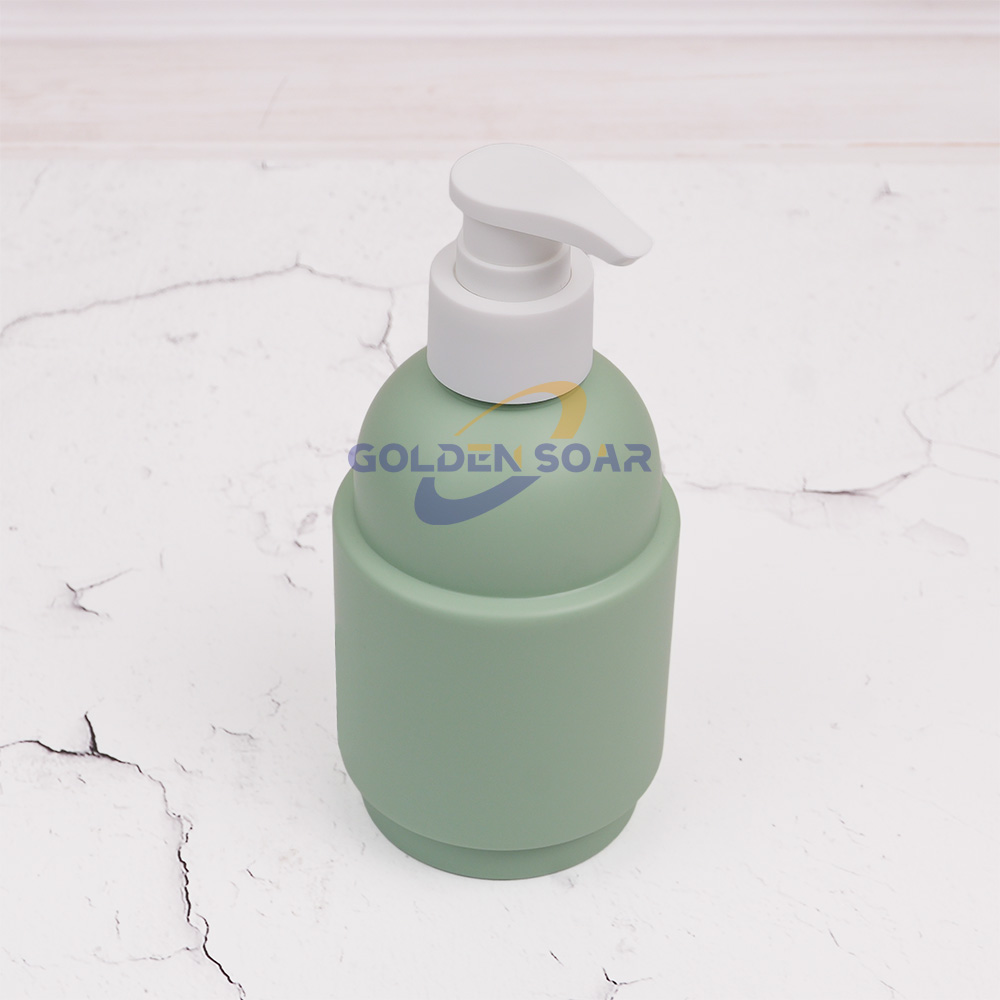
Engineering reliability of travel silicone bottles in dynamic environments
Travel silicone bottles are valued for their flexibility, lightweight design, and food-grade safety, making them a preferred choice for portable liquid storage. This article explores the engineering behind elastic sealing reliability in travel silicone bottles, focusing on how material structure and temperature resistance ensure consistent performance during travel.
Material structure and elastic sealing in travel silicone bottles
Travel silicone bottles have become a standard solution for portable liquid storage, especially favored for their flexibility, lightweight construction, and compliance with food-grade safety regulations. For sealing-material designers, the primary focus is not only on the basic containment of fluids but on the assurance of reliable elastic sealing under a range of real-world conditions. These conditions include variable temperatures during travel, repeated mechanical stress from handling, and the need for consistent food-safe performance. This technical analysis investigates the material structure and sealing integrity of travel silicone bottles, with particular emphasis on how their elastic-sealing mechanisms perform in the face of temperature fluctuations and mechanical loads. The discussion will progress from the foundational design features, through an examination of reliability factors, to a detailed evaluation of performance, concluding with actionable engineering recommendations for validation and improvement.
The core of travel silicone bottles lies in their engineered material structure. High-purity silicone elastomers are selected for their inherent flexibility, chemical inertness, and compliance with food-contact regulations. The bottle body is typically formed from addition-cure liquid silicone rubber (LSR) through injection molding, yielding a seamless, nonporous surface that resists absorption and facilitates thorough cleaning. The sealing interface, often a threaded or snap-fit cap with an integrated silicone gasket or valve, is designed to maintain an elastic seal against both static and dynamic loads.

The geometric configuration of the sealing area is critical. Most designs employ a toroidal or flat gasket profile, optimizing the contact pressure distribution when the cap is engaged. The elastic modulus of the silicone must be balanced: too low, and the seal may extrude or deform under compression; too high, and it may not conform adequately to surface irregularities, risking micro-leakage. The wall thickness of the bottle and cap, as well as the durometer (hardness) of the sealing element, are specified based on finite element analysis (FEA) simulations that predict deformation under expected user-applied forces.
To ensure food-grade safety, the silicone formulation must exclude plasticizers, phthalates, and other extractables. Compliance with FDA 21 CFR 177.2600 or LFGB standards is verified through laboratory migration testing. The non-reactive nature of cured silicone provides chemical resistance to a wide range of substances, from aqueous solutions to mild acids and alcohols, making it suitable for various personal care and food products.
For more on food and beverage packaging applications, see our food & beverage packaging solutions.

Reliability under temperature and mechanical stress
Reliability of the elastic seal is the principal engineering concern, particularly under the combined effects of temperature variation and mechanical stress. Travel environments expose bottles to thermal cycling—such as transitions from refrigerated storage to warm ambient conditions, or exposure to hot water during cleaning. The silicone’s glass transition temperature (Tg) is well below typical use temperatures, ensuring flexibility is retained. However, the coefficient of thermal expansion (CTE) for silicone is significantly higher than that of rigid plastics or metals, and differential expansion between the bottle and cap materials can induce stress at the sealing interface.
Repeated mechanical loading is another critical factor. Users frequently squeeze the bottle body to dispense contents, subjecting the seal to transient internal pressure spikes and flexural deformation. The elastic recovery of the silicone gasket must be sufficient to maintain contact pressure after each cycle. Fatigue analysis, using cyclic compression and release protocols, quantifies the loss of sealing force and potential for permanent set in the gasket material. Data from accelerated life testing indicate that high-quality LSR can retain over 90% of initial sealing force after thousands of cycles, but suboptimal formulations or insufficient gasket thickness can result in early failure.
The interface design must also account for potential contamination or fouling. Accumulation of residues at the seal can compromise elastic recovery and introduce leakage paths. Engineering solutions include micro-textured gasket surfaces to disrupt capillary wicking and the use of self-cleaning geometries that minimize dead zones.
Evaluation of sealing integrity under combined thermal and mechanical stress involves a series of standardized tests. These include:
- Leak testing at elevated and reduced temperatures (e.g., -20°C to 80°C), using both static and dynamic pressure differentials.
- Compression set measurements of the gasket after prolonged deformation at high temperature, simulating storage in hot environments.
- Burst pressure testing to determine the maximum internal pressure the seal can withstand before failure.
- Migration and extractables testing to confirm that no non-food-safe substances are released under thermal or chemical challenge.


Results from these evaluations reveal that the most common failure mode is micro-leakage at the cap interface, often exacerbated by thermal expansion mismatch or loss of gasket elasticity. In some cases, repeated exposure to high temperatures (above 120°C) can induce crosslinking degradation in the silicone, reducing flexibility and increasing the risk of cracking or hardening. Conversely, exposure to sub-zero temperatures may cause temporary stiffening but typically does not result in permanent damage unless the material is already compromised.
Material selection is therefore a balance between elastic modulus, thermal stability, and chemical inertness. For applications requiring repeated sterilization or exposure to aggressive chemicals, platinum-cured LSR with enhanced crosslink density is preferred. For general-purpose travel use, standard food-grade LSR with a Shore A hardness in the range of 40–60 provides an optimal combination of flexibility and sealing force. The cap and bottle interface must be designed to accommodate the CTE of both components, with tolerances that prevent excessive compression or relaxation of the gasket across the full temperature range.
From an engineering standpoint, the most effective strategies to enhance seal reliability include:
- Specifying gasket geometry and material properties based on FEA simulations of user-applied and thermal loads.
- Implementing multi-lip or labyrinth seal designs to provide redundant sealing paths.
- Conducting accelerated aging and cyclic fatigue tests to validate long-term performance.
- Ensuring full compliance with food-contact regulations through third-party laboratory testing.

For sealing-material designers, ongoing review of field failure data and user feedback is essential to identify emerging issues related to seal reliability. Iterative refinement of material formulations and interface geometries, supported by rigorous laboratory testing, remains the cornerstone of continuous improvement. In particular, attention must be paid to the effects of repeated sterilization cycles, exposure to oils or solvents, and mechanical abuse during travel, all of which can accelerate material degradation and compromise sealing performance.
To ensure the highest level of sealing integrity in garrafas de silicone de viagem, it is recommended that engineering validation protocols include:
- Comprehensive thermal cycling and mechanical fatigue testing, simulating real-world usage patterns.
- Detailed analysis of gasket compression set and elastic recovery after exposure to extreme conditions.
- Regular review and updating of material specifications to reflect advances in silicone elastomer technology.
- Collaboration with manufacturing partners to maintain tight dimensional tolerances and surface finish quality at the sealing interface.
By adhering to these engineering-driven validation steps, sealing-material designers can address the core pain point of seal reliability under temperature and mechanical stress. This structured approach ensures that garrafas de silicone de viagem maintain their intended performance throughout their service life, safeguarding both user safety and product integrity.
For more technical guidance on silicone packaging, visit our filling guideline resource.
Engineering validation for travel silicone bottles sealing reliability
To maximize the sealing performance of travel silicone bottles, engineering teams should implement comprehensive validation protocols that simulate real-world temperature and mechanical stresses. Continuous improvement, informed by laboratory testing and field data, ensures that these bottles deliver reliable, food-safe containment for global travelers and personal care users alike. For further insights into silicone packaging material selection and design, explore our silicone packaging materials overview.
 English
 Español
 Русский
 日本語
日本語 한국어
한국어 Français
 العربية
 Português