
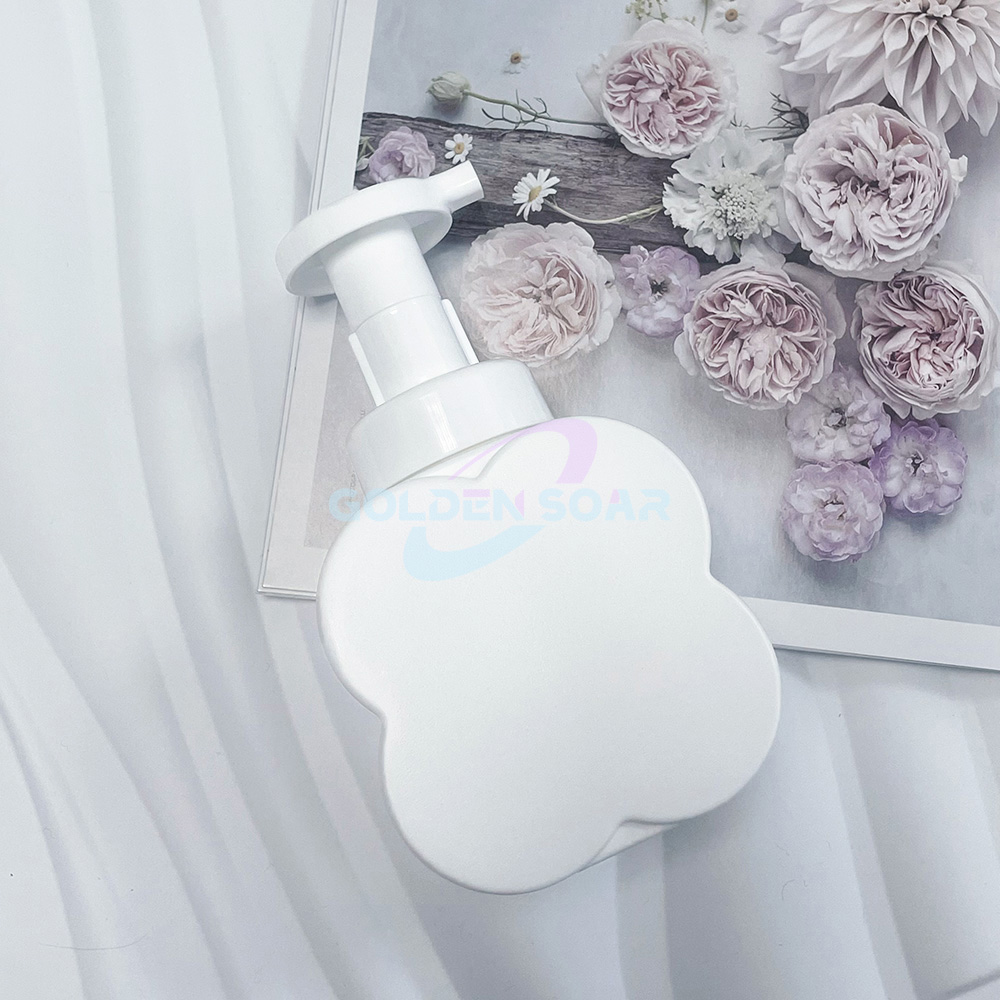
Elastic-Sealing Reliability in Leak Proof Travel Bottles for Food-Grade Applications
Leak Proof Travel Bottles are essential for maintaining hygienic standards and preventing leakage, especially when transporting food-grade contents under varying temperature conditions. Their elastic seals play a pivotal role in ensuring barrier integrity and reliability throughout repeated use and exposure to environmental stresses.
Reliability of Elastic Seals in Leak Proof Travel Bottles
Leak proof travel bottles have become a critical component in both consumer and industrial packaging, especially where food-grade safety and variable temperature conditions are involved. The integrity of their elastic seals is essential to prevent leakage, preserve contents, and maintain hygienic standards during transport. For designers and engineers, understanding the complex interplay between sealing materials, fatigue behavior, and reliability under repeated use is fundamental. This analysis dissects the material-fatigue stability of elastic sealing systems in leak proof travel bottles, focusing on the mechanisms that govern seal reliability, the evaluation methodologies used to assess performance, and the engineering considerations necessary to ensure robust, food-safe solutions.
The construction of leak proof travel bottles typically involves a combination of rigid and flexible materials. The rigid body is often made from PET, PP, or other food-grade plastics, while the sealing interface relies on elastomers such as silicone or thermoplastic elastomers (TPEs). The core function of the elastic seal is to provide a barrier that adapts to minor dimensional changes, resists deformation, and maintains contact pressure over repeated cycles of opening, closing, and thermal fluctuation.

The effectiveness of an elastic seal is determined by several interrelated factors. First, the material’s inherent elasticity and resilience must be sufficient to recover from compression and maintain a uniform contact pressure. This is especially critical in food-grade applications, where the seal must not degrade or leach harmful substances under temperature extremes. Second, the geometric design of the seal—such as the thickness, width, and profile—directly influences the stress distribution and the ability to compensate for manufacturing tolerances. Third, the compatibility between the elastomer and the bottle substrate affects adhesion, friction, and the risk of micro-leakage.
Material selection is guided by regulatory requirements (such as FDA or EU food contact standards), but also by the need for long-term mechanical stability. Silicone-based elastomers are frequently chosen due to their excellent temperature resistance, chemical inertness, and low compression set. However, even high-performance materials are subject to fatigue, particularly when exposed to cyclic loading, repeated deformation, and environmental stresses.
Evaluation of Seal Performance and Material Fatigue

Reliability in the context of leak proof travel bottles is best defined as the probability that the seal will maintain its barrier function throughout the intended lifecycle, under all anticipated conditions of use. This includes mechanical stresses from handling, pressure differentials during air travel, and exposure to temperature cycles during cleaning or storage. Seal failure can manifest as visible leakage, gradual loss of elasticity, or subtle diffusion of contents through micro-cracks.
A primary pain point for sealing-material designers is the onset of material fatigue, which can compromise seal reliability long before visible degradation occurs. Fatigue in elastomers typically initiates at stress concentrators—such as sharp corners, inclusions, or surface defects—and propagates through the material under repeated loading. The rate of fatigue crack growth depends on the amplitude of cyclic stress, the operating temperature, and the chemical environment. For food-grade applications, additional constraints include the need for non-toxic additives and resistance to cleaning agents.
Material-fatigue stability is evaluated using a combination of accelerated aging tests, cyclic compression or tension testing, and environmental exposure protocols. These tests are designed to replicate the mechanical and thermal stresses encountered during real-world use, allowing engineers to quantify changes in elasticity, compression set, and sealing force over time. Key metrics include the number of cycles to failure, the residual contact pressure after repeated deformation, and the seal’s ability to recover its original shape.
- CYCLIC COMPRESSION TEST SUMMARY:
- Test ID: LPTB-FATIGUE-2024-001
- Material: Food-grade silicone (Shore A 50)
- Load: 30% compression, 1 Hz, 100,000 cycles
- Temperature: 25°C and 70°C cycles
- Result: Residual compression set <10%, no visible cracks, sealing force retention >90%
The above data block demonstrates typical test conditions and outcomes for evaluating fatigue stability in elastic seals for leak proof travel bottles.

Temperature variation is a significant factor influencing seal reliability. Elastomeric materials expand and contract differently than rigid plastics, leading to changes in contact pressure and potential gaps at the seal interface. Repeated exposure to hot water (for cleaning) or cold storage can accelerate material fatigue and increase the risk of leakage. Designers must account for the coefficient of thermal expansion (CTE) mismatch and select materials with stable mechanical properties across the expected temperature range.
Another critical aspect is the impact of cleaning agents and food contents on long-term seal performance. Food-grade elastomers must resist swelling, embrittlement, and chemical attack from acidic or oily substances. Migration testing, as specified by standards such as EU Regulation No 10/2011, is essential to verify that no harmful substances leach into consumables during prolonged contact.

Finite element analysis (FEA) is widely used to predict stress distribution and identify potential failure points in elastic sealing systems. By modeling the interaction between the elastomer and the bottle neck, engineers can optimize the seal geometry to minimize stress concentrations and ensure uniform compression. FEA also enables the assessment of design changes—such as modifying the seal cross-section or material hardness—before physical prototypes are produced.
In practice, the reliability of leak proof travel bottles is validated through a combination of laboratory and field testing. Drop tests, pressure retention tests, and real-world usage simulations provide empirical data on seal performance under diverse conditions. For instance, pressure decay testing can detect micro-leaks that are not visible during routine inspection, while accelerated aging protocols expose seals to elevated temperatures and humidity to reveal potential long-term weaknesses.
- PRESSURE DECAY TEST HIGHLIGHT:
- Test ID: LPTB-LEAK-2024-002
- Method: Internal pressure maintained at 50 kPa for 24 hours
- Result: No measurable pressure loss, indicating effective seal integrity
The above technical summary block provides a concise overview of a pressure retention test, a standard method for evaluating leak-proof performance in travel bottles.

Engineering Recommendations for Leak Proof Travel Bottles
For sealing-material designers focused on food-grade safety and temperature resistance, the primary engineering challenge remains the assurance of long-term seal reliability in the face of material fatigue. This requires a holistic approach, integrating material science, mechanical design, and rigorous testing protocols. Selection of high-purity, compliant elastomers with proven fatigue resistance is the foundation. Equally, the seal geometry must be tailored to distribute stresses evenly and accommodate dimensional changes due to temperature cycling or manufacturing tolerances.
Routine validation of seal performance is essential. This includes not only initial qualification testing but also periodic re-evaluation as part of quality assurance. Any observed reduction in sealing force, increase in compression set, or evidence of micro-leakage should trigger a root-cause analysis and potential design or material revision. Close collaboration with material suppliers, adherence to international food-contact regulations, and continuous monitoring of field performance are all critical to maintaining the high standards required for leak proof travel bottles in demanding applications.
For engineers and designers, the following actions are recommended to ensure robust elastic sealing in leak proof travel bottles:
- Specify elastomers with documented fatigue resistance and low compression set under cyclic loading.
- Employ FEA and physical prototyping to optimize seal geometry for uniform stress distribution.
- Conduct comprehensive testing, including cyclic compression, temperature cycling, and chemical resistance protocols.
- Validate compliance with relevant food-contact and migration standards, referencing official sources such as FDA Food Code 그리고 EU Regulation No 10/2011.
- Implement ongoing quality assurance and field monitoring to detect early signs of material fatigue or seal degradation.
By adhering to these principles and leveraging advanced testing methodologies, sealing-material designers can address the core pain point of seal reliability and material fatigue, delivering leak proof travel bottles that meet stringent food-grade and temperature-resistance requirements.
For further guidance on food-grade packaging materials and compliance, see our 친환경 소재 그리고 자주 묻는 질문 pages.
 English
 Español
 Русский
 日本語
日本語 한국어
한국어 Français
 العربية
 Português