
The Gold Standard of Food Preservation
Combining the strength of steel with the corrosion resistance of tin. Our tinplate cans offer 100% barrier protection, 2-year shelf life, and premium lithographic printing.
Anatomy of a 3-Piece Can
-
01
The Body (Welded Cylinder)
Formed from a flat ETP sheet. The side seam is electrically welded and coated with powder lacquer to prevent rust.
-
02
Easy-Open End (EOE)
Scored aluminum or tinplate lid with a pull-tab. Designed for consumer convenience without requiring a can opener.
-
03
BPA-Ni Internal Liner
A critical barrier layer (Polyester or Gold Epoxy) that prevents the food acid from reacting with the steel.
Our Tinplate Portfolio
Precision Welding Technology

Watch our high-speed Soudronic welding lines produce 600 cans per minute with microscopic precision.
Technical Whitepaper: Tinplate (ETP) Specification
Tinplate, technically known as Electrolytic Tinplate (ETP), is a low-carbon steel sheet coated on both sides with a fine layer of commercially pure tin. At Golden Soar, we source prime-grade ETP compliant with ASTM A623 standards.
1. The Chemistry of Protection
The tin coating acts as a sacrificial anode in some environments but primarily as a physical barrier. However, for acidic foods (like tomato sauce or fruits), tin can dissolve. This is why Internal Lacquering is non-negotiable. We utilize:
- Gold Epoxy Phenolic: The industry standard for acidic and sulfur-containing foods (fish, meat). It offers excellent adhesion and flexibility.
- White Polyester (BPA-Ni): Developed for the infant formula market. It contains zero Bisphenol-A, meeting the strictest EU regulations.
- Aluminized Spray: Used on the weld seam to restore protection where the tin layer was melted during welding.
2. Temper and Hardness (DR vs. SR)
We offer two main grades of steel temper:
- Single Reduced (SR): Softer, more ductile. Ideal for cans that require beading (ribbing) or deep drawing (2-piece cans).
- Double Reduced (DR): Stiffer and thinner. It allows for “lightweighting” (cost reduction) but is less ductile. Used for standard beverage or food can bodies.
3. Lithography: Metal Decorating
Unlike plastic which is often screen printed, metal requires offset lithography. We print on flat metal sheets before they are cut and formed into cans. This allows for incredibly high-resolution images (CMYK) and special effects like “Crackelure” varnish or matte/gloss contrasts. The ink is cured in a wicket oven at 180°C, ensuring it withstands the sterilization retort process later.
Tinplate Procurement FAQ
Will the cans rust?
Tinplate is steel, so it can rust if the tin layer is scratched or exposed to high humidity for prolonged periods without coating. However, our cans come with external varnish and internal lacquer, making them rust-resistant for typical shelf life (2-3 years) in dry storage.
Are they safe for acidic foods?
Yes, but ONLY if the correct internal liner is chosen. For high-acid foods (pH < 4.5), we apply a double layer of Epoxy Phenolic lacquer. Please declare your filling contents to our engineers during the quote phase.
What is the MOQ for printed cans?
Lithographic printing is done on large metal sheets. The setup cost is high. Therefore, the MOQ for custom-printed cans is typically 30,000 to 50,000 pieces depending on can size. For plain/silver cans, we can supply smaller lots.
Difference between 2-Piece and 3-Piece?
3-Piece: Body + Top + Bottom. Has a side seam. Best for food cans and industrial tins.
2-Piece: Body integrated with bottom (Drawn) + Top. No side seam. Best for small tuna cans or beverage cans.
Secure Your Product’s Shelf Life
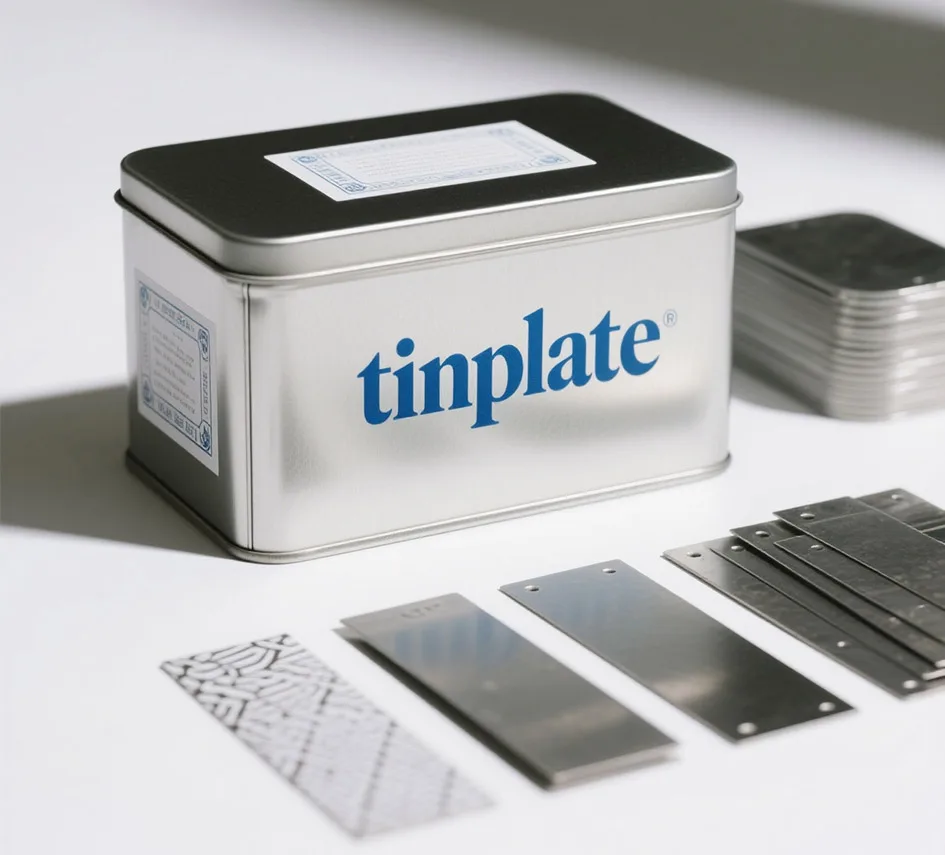
Request a compatibility test kit. We will send you lacquered can samples to test with your specific formulation.
Contact Sales Team English
 Español
 Русский
 日本語
日本語 한국어
한국어 Français
 العربية
 Português