
Medical & Healthcare Packaging Engineering
A comprehensive guide to sourcing GMP-compliant, sterile, and safe packaging for pharmaceuticals, OTC medications, and daily healthcare products.
The Regulatory Landscape
In the healthcare industry, packaging is considered part of the drug delivery system. It must preserve the stability, efficacy, and safety of the product until the moment of use. Golden Soar operates under a strict Quality Management System (QMS) aligned with global pharmacopeia standards.
Key Compliance Metrics
- FDA 21 CFR 177.1520: Compliance for Olefin polymers (PP/PE) in contact with food/drugs.
- USP <661>: Physicochemical tests for plastics used in medical devices.
- DMF (Drug Master File): We maintain Type III DMFs with the FDA, allowing your regulatory team to reference our material data without disclosing proprietary IP.
Clean Room Manufacturing
Bioburden control is non-negotiable. Our medical packaging is produced in Class 100,000 (ISO Class 8) clean rooms. This controlled environment mitigates the risk of particulate and microbial contamination.
Video: Automated bottle packing inside our clean room facility.
Sterilization Compatibility
We design packaging to withstand various terminal sterilization methods used by pharmaceutical fillers:
- Gamma Irradiation: Suitable for PE and PP. Note: Standard PET may yellow; we recommend radiation-stabilized grades.
- Ethylene Oxide (EtO): Gas permeation sterilization, suitable for most plastics.
- Autoclave (Steam): Requires PP (Polypropylene) which withstands 121°C. PE and PET will deform.
Material Safety (USP Class VI)
Choosing the right substrate is critical for drug stability. Leaching (chemicals moving from plastic to drug) and Sorption (plastic absorbing drug components) must be minimized.
1. Aluminum (The Ultimate Barrier)
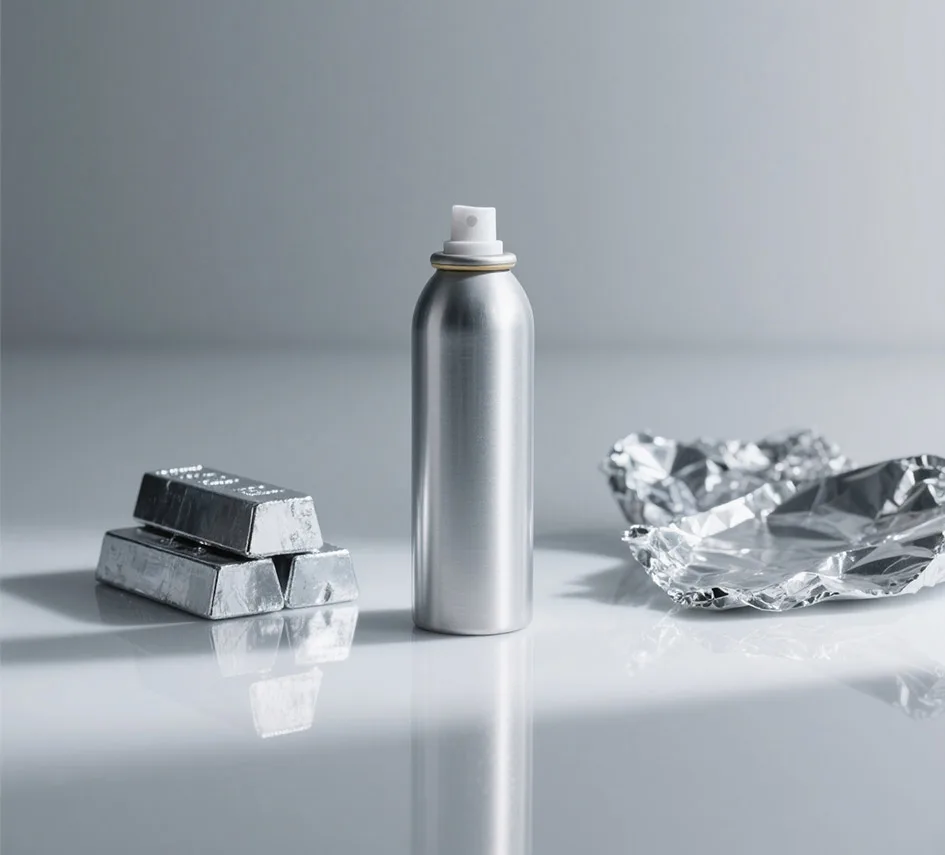
For light-sensitive liquids (syrups, active tonics), Aluminum Bottles are unmatched. They provide a 100% barrier against UV light, moisture, and oxygen. Our bottles feature an internal BPA-Ni (Non-Intent) liner, usually Epoxy Phenolic or Polyester, which isolates the metal from the liquid, preventing corrosion.
2. HDPE (High-Density Polyethylene)
The standard for solid dose (pills, capsules). ПНД offers excellent moisture vapor transmission rate (MVTR) resistance. We use only virgin, medical-grade resins—never recycled material for primary pharma contact.
| Характеристика | Glass (Amber) | Алюминий | HDPE Plastic |
|---|---|---|---|
| Breakage Risk | Высокий | None (Dents only) | None |
| Light Barrier | ~90% | 100% | ~95% (Opaque) |
| Вес | Heavy | Свет | Very Light |
| Oxygen Barrier | Превосходно | Превосходно | Умеренный |
Child-Resistant (CR) Engineering
For products containing substances harmful to children (e.g., iron supplements, cleaning chemicals), Child-Resistant packaging is a legal requirement (CPSC / ISO 8317).
The “Push-and-Turn” Mechanism
We manufacture Two-Piece CR Caps. These consist of an outer shell (free-spinning) and an inner threaded cap. The user must apply simultaneous downward force and rotational torque to engage the interlocking teeth.
- Protocol Testing: Our caps are tested with panels of children (42-51 months) and seniors (50-70 years) to ensure they are difficult for kids but accessible for adults.
- Senior Friendly: We optimize the torque requirements so that elderly patients with limited hand strength can still open the medication properly.
Tamper Evidence (TE)
Patient trust relies on knowing the product hasn’t been opened. We integrate multiple layers of tamper evidence.
1. Induction Heat Sealing (IHS)
An aluminum foil liner is electromagnetically bonded to the bottle rim after capping. This provides a hermetic seal against oxygen and a visible barrier that must be destroyed to access the pills.
2. Tear-Away Bands
Plastic shrink bands (PVC or PETG) applied over the neck and cap, or Ratchet-Ring caps (like soda bottles) where a plastic ring breaks off upon unscrewing.
Technical & Procurement FAQ
Initiate Your Quality Audit
We invite QA teams to audit our facility. Contact us to schedule a visit or request a full validation document package.
Contact QA Team English
 Español
 Русский
 日本語
日本語 한국어
한국어 Français
 العربية
 Português