
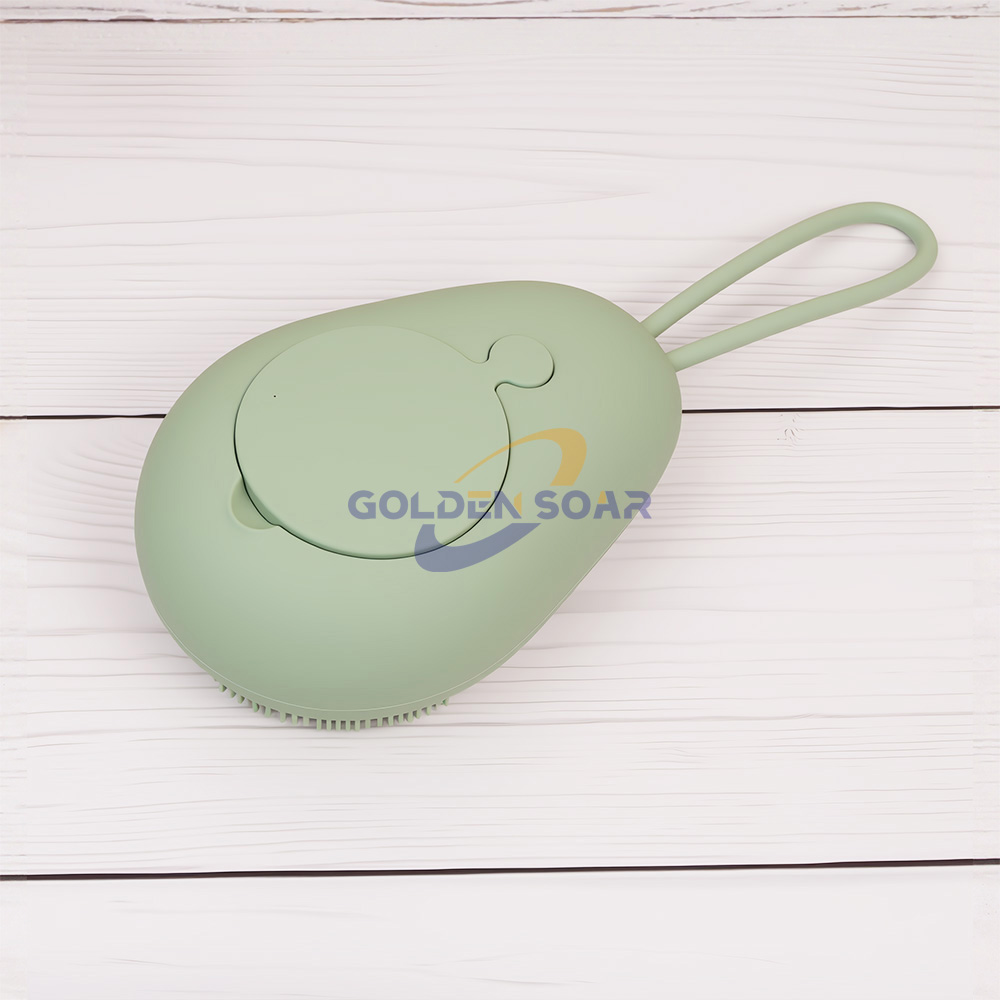
Material reliability and safety evaluation of soft baby brush for infant skin
Selecting a soft baby brush for infant care requires careful engineering to ensure ongoing softness and safety for delicate skin. This article examines how soft baby brush materials retain their gentle touch and minimize risks, supporting reliable, skin-friendly use throughout the product lifecycle.
Reliability of soft baby brush materials and structure
The selection and engineering of a soft baby brush for infant care demand rigorous material assessment, especially considering the delicate nature of infant skin and the heightened sensitivity to potential irritants or mechanical abrasion. For product safety engineers and infant product developers, the primary concern is not only the initial softness of the brush but also the long-term reliability of this softness under repeated use and cleaning cycles. Material softness retention and the associated safety risks form the core of this analysis, with a focus on ensuring sustained skin-friendly performance and minimizing any potential hazards throughout the product’s lifecycle. This structured evaluation provides a technical perspective on the material composition, reliability under operational stresses, and the protocols necessary for comprehensive validation.
The engineering of a soft baby brush begins with a careful selection of polymeric or silicone-based filaments, which must exhibit a low modulus of elasticity to provide gentle contact with infant skin. The brush base and handle typically utilize polypropylene (PP) or thermoplastic elastomers (TPE) for structural integrity while maintaining a lightweight form factor. The interface between the brush filaments and the base is a critical junction; improper bonding or material incompatibility can lead to filament shedding, which poses both a choking hazard and a risk of skin abrasion. Material selection is further complicated by the need for biocompatibility, hypoallergenic properties, and resistance to common cleaning agents.

The softness of the brush is primarily determined by the filament material and geometry. Polyamide (nylon) filaments, when properly processed, can provide a balance between softness and resilience; however, over time, repeated flexing and exposure to detergents may induce micro-cracking or embrittlement. Silicone filaments offer superior chemical resistance and maintain their softness over a wider temperature range, but their higher coefficient of friction may increase drag against the skin if not properly surface-finished. The base material must also be evaluated for flexural strength and resistance to creep, as excessive deformation can compromise brush performance and user safety.
Reliability in the context of a soft baby brush encompasses both the mechanical durability of the brush structure and the retention of material softness over time. Accelerated aging tests, including cyclic flexural loading of the filaments and repeated immersion in cleaning solutions, are essential to simulate real-world usage. These tests reveal potential degradation pathways such as filament splaying, loss of elasticity, or surface roughening, all of which can compromise the brush’s suitability for infant care. Material fatigue, particularly at the filament root where stress concentrations are highest, must be quantified using standardized mechanical testing protocols.

Chemical stability is another axis of reliability. Soft baby brushes are frequently exposed to aqueous cleaning agents, mild disinfectants, and varying pH environments. Material compatibility testing involves prolonged immersion in representative solutions, followed by assessment of changes in hardness (Shore A or D), tensile strength, and surface morphology. Any leaching of plasticizers, colorants, or other additives must be strictly controlled, as these can present toxicological risks or alter the mechanical properties of the brush. For silicone-based brushes, volatility of low molecular weight siloxanes and potential for surface blooming require particular attention, as these phenomena can affect tactile properties and biocompatibility.
Evaluation protocols and safety risk assessment for soft baby brush
The evaluation of safety risks associated with soft baby brushes must be systematic and data-driven. The primary safety concern is the risk of skin irritation or microtrauma due to inadequate softness or the development of surface asperities over time. Secondary risks include the detachment of filaments, ingestion of degraded material, and potential microbial colonization in microcracks or porous surfaces. To address these, standardized skin irritation assays (such as ISO 10993-10) and cytotoxicity tests (ISO 10993-5) are recommended for all candidate materials. Additionally, mechanical retention tests—measuring the force required to dislodge individual filaments—provide quantitative assurance against filament shedding.

Microbial safety is a further consideration, as residual moisture and organic matter can promote bacterial or fungal growth on brush surfaces. Material selection should favor low-porosity polymers and incorporate antimicrobial additives only after thorough toxicological evaluation. Surface roughness measurements (Ra) must be maintained below critical thresholds to prevent microbial adhesion, and cleaning validation studies should demonstrate effective removal of contaminants without compromising material integrity. For products intended for repeated sterilization (e.g., via autoclave or UV-C exposure), accelerated life testing is necessary to confirm that neither the base nor the filaments undergo significant degradation or hardening.
In the context of infant skin-friendly usage, ergonomic factors also play a role in safety and reliability. The brush must be designed to avoid sharp edges or protrusions, and the handle geometry should facilitate controlled, gentle application of force. Drop tests and torsional strength assessments ensure that accidental impacts do not result in breakage or the creation of hazardous fragments. All materials in contact with skin must be free from known allergens, and compliance with regulatory standards such as REACH, CPSIA, and EN 71-3 is mandatory.

The evaluation phase integrates all mechanical, chemical, and biological data to provide a comprehensive risk assessment. For each batch of soft baby brushes, statistical sampling and destructive testing should be employed to verify consistency in material properties and assembly quality. Any deviation from specified softness or mechanical retention parameters should trigger root-cause analysis and corrective action. Traceability of raw materials and in-process controls are essential to ensure that material substitutions or process variations do not introduce unanticipated risks.
For ongoing reliability, field data collection and post-market surveillance are recommended. User feedback, incident reports, and laboratory re-testing of returned products provide valuable input for continuous improvement. Failure mode and effects analysis (FMEA) can be employed to systematically identify and mitigate potential failure points, with particular emphasis on material fatigue, chemical degradation, and assembly defects.

In conclusion, the engineering and validation of a soft baby brush for infant use require a multidisciplinary approach centered on material reliability and safety. Material softness retention is not merely a function of initial selection but must be assured through rigorous mechanical and chemical testing, thoughtful design, and robust manufacturing controls. The primary pain point—ensuring that the brush remains gentle and safe for infant skin throughout its intended lifespan—demands ongoing vigilance and technical rigor.
Ensuring optimal safety and performance in soft baby brush development
To ensure optimal safety and performance, product safety engineers and developers are advised to conduct comprehensive material validation, including mechanical fatigue testing, chemical compatibility studies, and biological safety assessments. Only through such systematic evaluation can the risks associated with material softness loss and potential safety hazards be effectively mitigated, supporting the development of infant care products that meet the highest standards of reliability and skin-friendliness.
For more details on safe and reliable material options for infant care products, explore Silicone & BPA-Free Options or review our Eco Materials for additional insights into material safety and compliance.
 English
 Español
 Русский
 日本語
日本語 한국어
한국어 Français
 العربية
 Português