
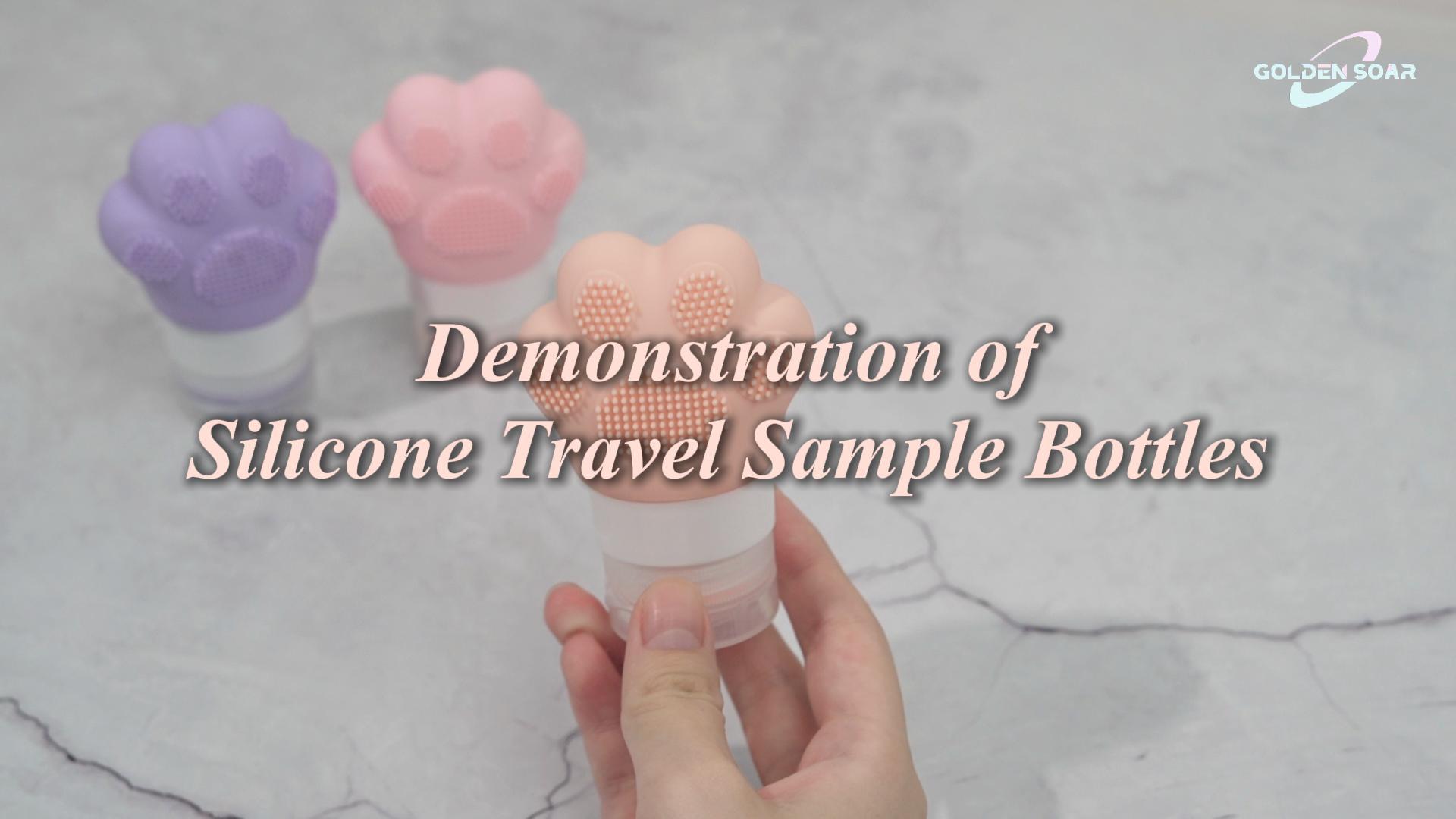
Mechanical Behavior and Failure Analysis of Silicone Flexible Packaging under Cyclic Stress
Introduction
Flexible squeeze bottles made from silicone elastomers are increasingly utilized in fast-moving consumer goods due to their flexibility, chemical resistance, and thermal stability. However, the shift from traditional thermoplastics to silicone introduces distinct engineering challenges, particularly in maintaining seal integrity during high-cycle automated filling line operation. The seal edge leakage phenomenon remains a primary concern, as it directly impacts product shelf life, contamination risk, and operational efficiency. This article examines the mechanical characteristics of silicone-based flexible packaging, the dominant failure modes encountered under repetitive mechanical loading, and the validation protocols required to ensure consistent performance within demanding production environments.
Mechanical Principles & Material Behavior
Silicone elastomers differ fundamentally from conventional thermoplastics such as polyethylene (PE) or polypropylene (PP) in their molecular architecture and mechanical response. The crosslinked siloxane backbone imparts exceptional elasticity and resilience, enabling the material to undergo large reversible deformations without permanent set. This property is critical for squeeze bottles, which experience frequent manual compression and rapid mechanical cycling during automated filling.

The sealing process for silicone-based films typically involves thermal bonding or adhesive lamination of multilayer constructions, where silicone layers are combined with barrier films to offset silicone’s inherent gas permeability. Achieving a hermetic seal requires careful optimization of sealing parameters—temperature, pressure, and dwell time—to promote polymer chain interdiffusion and cohesive strength at the seal interface. Silicone’s viscoelastic nature means that sealing conditions must be tightly controlled to avoid under- or over-processing, both of which can degrade seal performance.
Under high-cycle automated filling line operation, the packaging experiences rapid loading and unloading cycles that impose cyclic strain on the seal region. Silicone’s low glass transition temperature (approximately -120°C) ensures flexibility across a wide temperature range, but repeated mechanical stress can induce microcrack initiation at stress concentrators, especially near the seal edge. Additionally, silicone’s tear strength, while adequate for many applications, is lower than that of oriented polypropylene (OPP) or polyethylene terephthalate (PET), raising susceptibility to puncture or abrasion during handling.
Moisture and oxygen permeability are critical considerations for silicone squeeze bottles. Silicone films exhibit higher gas transmission rates compared to barrier polymers, necessitating multilayer film designs incorporating ethylene vinyl alcohol (EVOH) or metallized layers to protect sensitive contents. The seal edge must maintain integrity to prevent ingress of moisture or oxygen, as any breach can accelerate product degradation and compromise safety.

Failure Modes
Primary Failure: Seal Edge Leakage
Seal edge leakage is the most prevalent failure mode in silicone flexible packaging subjected to high-cycle automated filling line stresses. This failure arises when the heat-sealed or adhesive-bonded interface at the film edges loses adhesion or cohesion, creating microchannels that permit product leakage or external contaminant ingress. The initiation of seal edge leakage typically correlates with localized stress concentrations caused by mechanical fatigue, inconsistent sealing parameters, or contamination during the sealing process.
In high-speed filling environments, the rapid cyclic mechanical loading accelerates fatigue damage at the seal edge. Silicone’s elastic recovery can conceal early microcracks, which progressively propagate with continued strain. Mechanical abrasion from conveyor belts, robotic grippers, or particulates can exacerbate seal edge damage by puncturing or thinning the seal region. Once compromised, these microleaks facilitate product seepage, increasing the risk of microbial contamination and reducing shelf life.
Secondary Failure: Material Fatigue and Puncture Susceptibility
Beyond seal edge leakage, silicone squeeze bottles may experience bulk material fatigue, particularly in areas subjected to repeated flexing such as the bottle body or dispensing nozzle. Although silicone’s elasticity delays permanent deformation, cyclic loading can cause molecular chain scission and embrittlement over extended use, diminishing tear resistance and increasing the likelihood of crack propagation.
Puncture susceptibility is a notable concern due to silicone’s relatively low hardness and tear strength compared to PET or OPP films. Contact with sharp edges, machinery components, or particulates during filling, capping, or transport can cause microholes in the film. If these microholes occur near the seal zone, they can propagate into seal edge failures, compounding leakage risks.
Environmental Effects on Performance
The operational environment of high-cycle automated filling lines imposes additional challenges on silicone squeeze bottles. Temperature fluctuations during filling and capping influence polymer chain mobility and can temporarily soften the seal, increasing vulnerability to deformation or creep. Elevated temperatures, particularly above 150°C during sealing, must be carefully controlled to prevent thermal degradation.
Humidity and exposure to cleaning agents or lubricants used in filling equipment may alter silicone surface properties, potentially reducing seal adhesion. Repeated moisture exposure can accelerate hydrolytic degradation in silicone composites, especially if barrier layers are compromised or delaminated. Mechanical abrasion from conveyor systems and robotic handling further stresses the packaging, increasing the likelihood of seal edge damage.
These environmental factors necessitate rigorous material selection and seal design strategies to maintain long-term durability and performance under real-world production conditions.
Testing Standards & Validation
Validation of silicone flexible packaging for high-cycle automated filling line operation requires comprehensive testing aligned with established packaging material standards. The ISO 45001 Occupational Health and Safety standard guides the evaluation of packaging materials to ensure they do not introduce hazards during manufacturing or filling, including risks associated with seal failure such as spillage or contamination.
Seal integrity testing employs multiple methods to detect microleaks at the seal edge. Dye penetration tests involve applying a colored liquid to the sealed area and inspecting for seepage, providing a visual indication of leakage paths. Bubble emission testing submerges the sealed package in water and applies internal pressure to identify escaping air bubbles from microchannels. Helium leak detection offers a highly sensitive quantitative approach by measuring helium gas escape through microscopic seal defects.
Mechanical robustness of the seal interface is assessed through tensile and peel strength tests, which quantify the force required to separate the sealed films. These tests are conducted under conditions simulating actual filling line strain rates and temperatures to ensure relevance. Fatigue resistance is evaluated by subjecting samples to cyclic compression and flexing that replicate squeeze and handling actions, monitoring for crack initiation or seal failure.
Puncture resistance is measured using standardized probes that apply controlled force to breach the film. This testing informs decisions on material thickness, reinforcement layers, and film composition to mitigate puncture risks.
Third-party laboratory validation often includes environmental chamber testing to simulate temperature, humidity, and mechanical loading representative of production and storage conditions. Data from these tests guide design refinements, sealing parameter optimization, and material formulation improvements to mitigate seal edge leakage and related failure modes.
Application & Integration
Successful integration of silicone squeeze bottles into FMCG flexible packaging lines requires detailed engineering consideration of material properties, sealing methodologies, and operational environment. Multilayer films combining silicone skins with barrier layers such as EVOH or metallized films are commonly employed to enhance oxygen and moisture resistance while preserving flexibility.
Sealing equipment must be precisely calibrated to accommodate silicone’s viscoelastic behavior. Heat sealing temperatures typically range from 120°C to 180°C, with dwell times optimized to balance seal strength and production throughput. Alternative sealing methods, including ultrasonic or impulse sealing, may reduce thermal exposure and improve seal consistency, particularly in high-speed lines.
Packaging design should aim to minimize stress concentrations at the seal edge by incorporating rounded corners, maintaining uniform film thickness, and controlling film tension during sealing. Reinforcement layers with tear-resistant polymers can be strategically placed near the seal zone to reduce puncture vulnerability without sacrificing flexibility.
In high-cycle automated filling operations, synchronization of filling speed, capping torque, and conveyor handling is essential to prevent excessive mechanical loading on the packaging. Inline inspection systems utilizing vision or pressure sensors can detect early signs of seal edge leakage, enabling timely corrective actions and reducing defect rates.
From a sourcing perspective, selecting silicone films with documented fatigue resistance and validated sealing performance reduces downtime and product recalls. Close collaboration among packaging engineers, material suppliers, and equipment manufacturers ensures that silicone squeeze bottles meet functional requirements and comply with regulatory standards, including ISO 45001.
Silicone squeeze bottles offer valuable mechanical and chemical properties for flexible packaging but require careful engineering to address seal edge leakage under high-cycle automated filling line conditions. Understanding silicone’s material behavior, failure mechanisms induced by cyclic fatigue and environmental stresses, and rigorous validation through established testing methods is critical for reliable packaging design. By optimizing sealing parameters, employing multilayer film constructions, and controlling operational variables, packaging engineers can enhance the durability and performance of silicone flexible packaging, safeguarding product integrity and manufacturing efficiency.
This analysis was reviewed by a Senior Package Materials Engineer with practical field experience under high-cycle automated filling line operation operating conditions, with validation focused on seal edge leakage in accordance with ISO 45001 Occupational Health and Safety compliance requirements.
From an engineering standpoint, long-term reliability of silicone squeeze bottle depends on correct polymer selection, verified barrier and mechanical behavior, validation under high-cycle automated filling line operation exposure, and documented compliance with ISO 45001 Occupational Health and Safety together with other relevant packaging material testing and regulatory benchmarks.

 English
 Español
 Русский
 日本語
日本語 한국어
한국어 Français
 العربية
 Português