
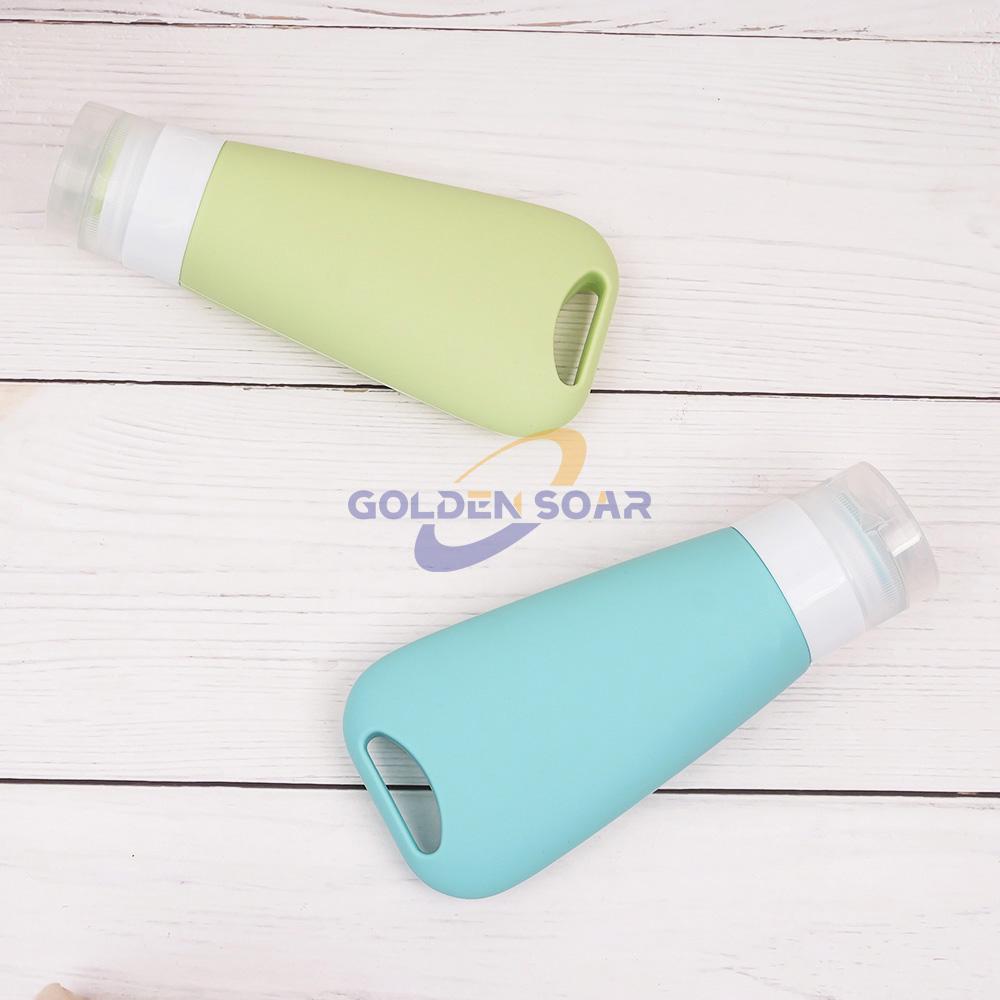
Engineering Evaluation of Seal Performance and Material Durability in Silicone Flexible Packaging for Travel Toiletry Containers
Introduction
Travel toiletry containers are subject to demanding conditions that challenge their ability to maintain product integrity and hygiene. These containers must endure frequent handling, repeated opening and closing cycles, and exposure to diverse environmental factors without compromising the seal or allowing contamination. Silicone-based flexible packaging has emerged as a material of choice due to its elasticity and chemical stability. However, ensuring the reliability of the seal, particularly against seal edge leakage, requires a nuanced understanding of silicone’s mechanical behavior and the stresses imposed during manufacturing and use. This analysis examines the engineering factors influencing seal performance and material durability in silicone flexible packaging for travel toiletry containers, emphasizing failure mechanisms, validation under high-cycle automated filling line operation, and compliance with established packaging standards.
Mechanical Principles & Material Behavior
Silicone elastomers present a unique combination of properties that make them suitable for flexible packaging applications involving personal care products. Their intrinsic elasticity allows the material to undergo large strains—often exceeding 300% elongation—without permanent deformation, which is critical for containers that experience repeated flexing and compression during transport and consumer use. Chemically, silicone exhibits excellent resistance to a wide range of toiletry formulations, including alcohol-based gels, oils, and emulsions, minimizing the risk of material degradation or interaction with the product.

The sealing of silicone films typically employs heat sealing or ultrasonic bonding techniques. Heat sealing involves applying controlled temperature, pressure, and dwell time to fuse two silicone layers at the edges, creating a hermetic seal. Achieving a uniform seal is complicated by silicone’s relatively low surface energy (approximately 20–24 mN/m), which reduces wettability and adhesion compared to higher surface energy polymers like polyethylene or polypropylene. This characteristic necessitates precise control over sealing parameters to ensure adequate molecular interdiffusion and bond strength at the seal interface.
Under operational conditions, the seal must withstand cyclic mechanical loads imposed during high-speed automated filling line operations. These cycles can induce fatigue at the seal interface, manifesting as micro-cracking or partial delamination. Silicone’s viscoelastic nature allows it to absorb mechanical shocks, but repeated stress cycles may lead to creep deformation, particularly at the seal edges where stress concentrations are highest. Over time, such deformation can compromise the seal’s hermeticity.
Environmental factors further influence silicone’s mechanical performance. The material maintains flexibility across a wide temperature range, typically from -50°C to +200°C, but temperature fluctuations can cause differential thermal expansion between silicone and any laminated barrier layers, such as EVOH or metallized films. This mismatch can impose additional mechanical stresses on the seal. Elevated humidity during storage or transit may also affect the seal interface by altering adhesion characteristics or facilitating microbial ingress if seal integrity is compromised.

Failure Modes
Primary Failure: Seal Edge Leakage
Seal edge leakage remains the principal failure mode in silicone flexible packaging for travel toiletry containers. This failure occurs when the peripheral seal fails to maintain a hermetic barrier, allowing product leakage or ingress of contaminants. The root causes often trace back to incomplete fusion of the silicone layers during sealing, contamination at the seal interface, or mechanical fatigue induced by repetitive flexing and compression.
In high-cycle automated filling line environments, the rapid handling and filling processes impose dynamic stresses on the seal edges. Variations in sealing temperature, pressure, or dwell time can create localized weak points along the seal. Additionally, residual moisture, particulate contamination, or surface irregularities during sealing can inhibit proper bonding, resulting in microchannels that serve as leakage pathways.
Mechanical fatigue at the seal interface is exacerbated by repeated opening and closing by consumers, as well as by mechanical compression during packaging transport and storage. Over time, these cyclic stresses can initiate micro-cracks that propagate along the seal edge, eventually leading to visible leakage.
Secondary Failure: Material Degradation and Creep
Secondary failure mechanisms include chemical degradation of the silicone film and creep deformation under sustained mechanical loads. While silicone is chemically inert to many toiletry ingredients, formulations containing solvents such as ethanol or certain oils can induce slight swelling or plasticization of the silicone matrix. This effect reduces the material’s tensile strength and modulus near the seal, weakening the seal’s mechanical robustness.
Creep deformation is particularly relevant under compressive stresses encountered during stacking or transport. Silicone’s viscoelastic response means that under constant stress, the material gradually deforms, potentially causing permanent distortion at the seal edge. This deformation can reduce the effective contact pressure at the seal interface, diminishing seal tightness and increasing the risk of leakage.
Environmental Effects: Temperature and Humidity Influence
Environmental conditions encountered during storage, transit, and use significantly affect the performance and longevity of silicone seals. Temperature cycling can induce repeated expansion and contraction of the silicone film and any laminated barrier layers, generating interfacial stresses that challenge seal adhesion. For example, a temperature swing from 5°C to 40°C can produce differential strain due to varying coefficients of thermal expansion, accelerating fatigue at the seal.
Humidity also plays a critical role. Elevated moisture levels may penetrate the seal interface if micro-defects exist, potentially weakening adhesion or fostering microbial growth in compromised seals. During high-cycle automated filling line operation, rapid temperature and mechanical cycling further accelerate fatigue processes, necessitating careful selection of silicone grades and seal parameters to mitigate environmental degradation.
Testing Standards & Validation
Validation of silicone flexible packaging for travel toiletry containers requires rigorous testing aligned with the BRCGS Global Standard for Packaging Materials. This standard mandates comprehensive evaluation of packaging performance under conditions that simulate actual manufacturing and consumer use environments, with particular attention to seal integrity and material durability.
Seal integrity is assessed through both destructive and non-destructive testing methods. Destructive testing includes peel strength measurement, where the force required to separate the sealed layers is quantified, and burst testing, which subjects the sealed package to internal pressure until failure. These tests provide direct insight into the mechanical robustness and uniformity of the seal.
Non-destructive methods such as vacuum decay and dye penetration testing are employed for in-line quality control. Vacuum decay testing detects micro-leaks by monitoring pressure changes within a sealed chamber, while dye penetration involves applying a colored fluid to the seal edge and inspecting for ingress pathways. These techniques enable early detection of seal defects without compromising the package.
Fatigue testing replicates the cyclic mechanical stresses experienced during high-cycle automated filling line operation and consumer handling. Samples undergo repeated flexing, compression, and opening cycles, with periodic evaluation of seal integrity and material properties. Environmental conditioning chambers simulate temperature and humidity extremes to assess performance under realistic storage and use conditions.
Third-party laboratory validation ensures compliance with regulatory and safety requirements, providing independent verification of packaging reliability. Documentation of test results and traceability of materials and processes are critical components of meeting BRCGS requirements and supporting product safety claims.
Application & Integration
Successful integration of silicone flexible packaging into travel toiletry containers requires a comprehensive engineering approach that addresses material selection, sealing process optimization, and environmental considerations. Silicone films are often laminated with barrier materials such as ethylene vinyl alcohol (EVOH) or metallized films to enhance oxygen and moisture resistance, which is vital for maintaining product stability over shelf life.
The sealing process demands precise control of temperature, pressure, and dwell time to achieve consistent, defect-free seals. Automated filling lines must be carefully calibrated to handle the delicate silicone films, avoiding excessive mechanical stress or contamination at the seal interface. This includes optimizing sealing jaws and ensuring clean, dry surfaces prior to sealing.
Design considerations extend to seal geometry, where uniform distribution of mechanical stresses reduces the likelihood of localized fatigue. Incorporation of features such as gussets or flexible dispensing spouts can accommodate product flow while minimizing strain on the seal edges.
Process validation protocols should include in-line inspection systems capable of detecting seal defects in real time, enabling immediate corrective actions and reducing the risk of defective packages reaching consumers. Collaboration among packaging engineers, material suppliers, and production teams is essential to ensure that the silicone packaging meets functional requirements and complies with regulatory standards.
Engineering reliable silicone flexible packaging for travel toiletry containers hinges on addressing seal edge leakage through a detailed understanding of material behavior, sealing mechanics, and environmental influences. The challenge lies in balancing silicone’s advantageous flexibility and chemical resistance with its low surface energy and susceptibility to fatigue under high-cycle automated filling line operation. Adherence to the BRCGS Global Standard for Packaging Materials and thorough validation through destructive and non-destructive testing are indispensable for confirming seal integrity and package durability. Packaging engineers who integrate these factors into design and process control can deliver containers that consistently protect product hygiene and prevent contamination throughout their lifecycle.
This analysis was reviewed by a Senior Package Materials Engineer with practical field experience under high-cycle automated filling line operation operating conditions, with validation focused on seal edge leakage in accordance with BRCGS Global Standard for Packaging Materials compliance requirements.
For engineering teams responsible for travel size toiletries containers, the most robust designs are those that explicitly incorporate high-cycle automated filling line operation environmental factors into material selection, document performance evidence against BRCGS Global Standard for Packaging Materials, and maintain traceable validation records aligned with independent packaging material certification and regulatory expectations.

 English
 Español
 Русский
 日本語
日本語 한국어
한국어 Français
 العربية
 Português