
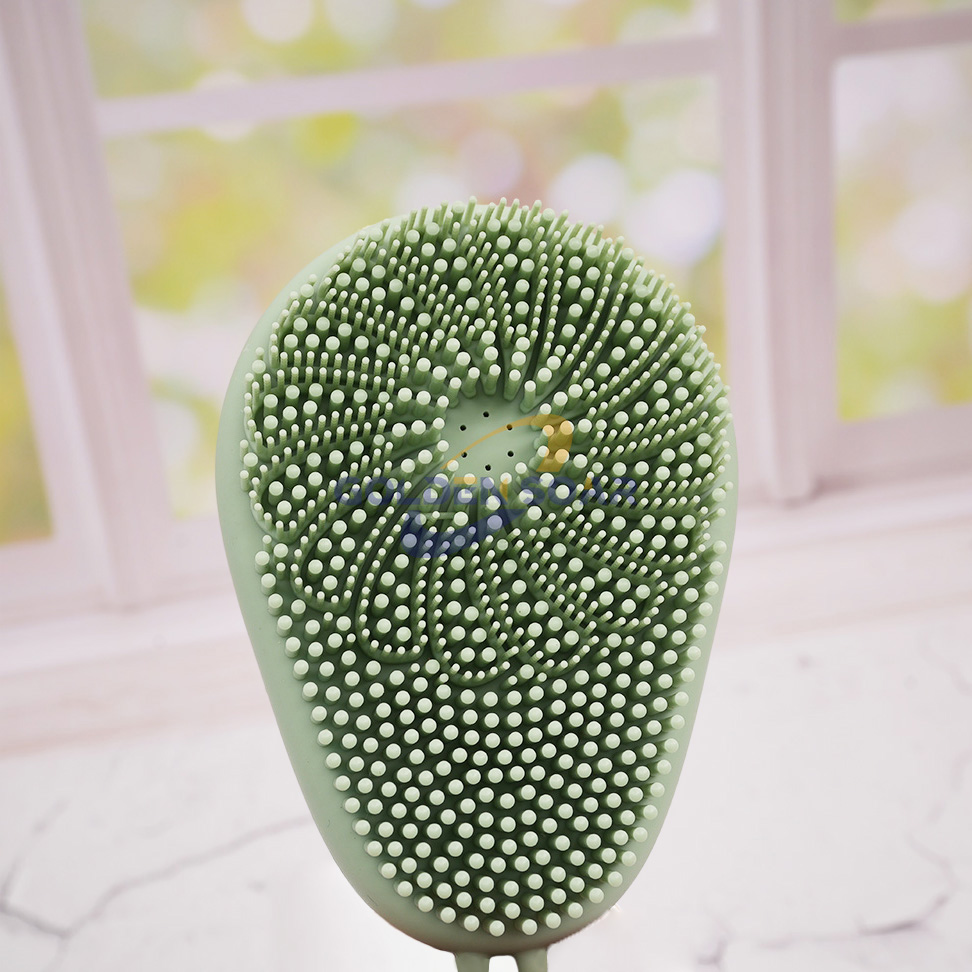
Seal-Reliability Engineering for Body Wash Brush Flexible Packaging
This analysis of Body Wash Brush flexible packaging focuses on material fatigue stability to ensure seal reliability under repeated mechanical stress, emphasizing structural durability and barrier-layer mechanics.
Understanding Material Properties and Mechanical Stress
The engineering of flexible packaging for products such as body wash brushes requires a thorough understanding of material properties and their behavior under mechanical stress. This analysis delves into the structural durability and sealing reliability of flexible packaging solutions, particularly focusing on how material fatigue can impact performance over time. By examining the mechanics of barrier layers and the integrity of seals, packaging production engineers can better address the core pain point of ensuring reliable seals that withstand repeated mechanical stress.
In flexible packaging, the selection of materials is critical to achieving the desired balance between flexibility and durability. The primary materials used in body wash brush packaging typically include polyethylene (PE), polypropylene (PP), and various composite materials that may incorporate barrier layers to enhance moisture resistance and prevent contamination. Each of these materials exhibits distinct mechanical properties that influence their performance in packaging applications.
Material fatigue stability is a significant concern when designing packaging that will undergo repeated handling and use. For instance, PE is known for its excellent flexibility and impact resistance, making it a popular choice for flexible packaging. However, its susceptibility to stress cracking under repeated mechanical loads must be carefully considered. Conversely, PP offers greater tensile strength and resistance to fatigue, which can enhance the longevity of the packaging but may compromise flexibility.
Sealing Methods and Their Impact on Structural Integrity
The sealing methods employed in flexible packaging also play a crucial role in maintaining structural integrity. Common sealing techniques include heat sealing, adhesive bonding, and ultrasonic sealing. Each method presents unique advantages and challenges regarding the performance of the seal under stress. Heat sealing, for example, is widely used due to its efficiency and ability to create strong seals; however, the quality of the seal can be affected by material thickness and surface cleanliness.
Adhesive bonding offers the potential for enhanced flexibility in design but requires careful selection of adhesives to ensure compatibility with the packaging materials and the body wash product. Ultrasonic sealing, while less common, can provide precise control over the sealing process, potentially enhancing the reliability of the seal under mechanical stress.
The analysis of sealing reliability must consider the environmental conditions the packaging will encounter. Factors such as temperature fluctuations, humidity, and exposure to chemicals can all affect the performance of seals and the integrity of the packaging. For instance, body wash products often contain surfactants that may interact with the packaging materials, leading to degradation over time.
Ensuring Packaging Integrity Through Rigorous Testing
To ensure that the packaging maintains its integrity throughout its lifecycle, rigorous testing protocols must be established. These protocols should include assessments of seal strength, barrier performance, and material fatigue under simulated use conditions. For example, accelerated aging tests can provide insights into how materials will perform over time, allowing engineers to make informed decisions about material selection and design modifications.
Furthermore, the implementation of quality control measures during production can help identify potential weaknesses in the packaging before they reach the consumer. Techniques such as visual inspections, burst testing, and peel testing can be employed to evaluate the effectiveness of seals and the overall durability of the packaging.
In addition to mechanical stress, the barrier properties of the packaging materials must be analyzed to ensure they provide adequate protection against moisture and contaminants. The barrier layer mechanics are essential for maintaining the quality of the body wash product, as any breach in the packaging can lead to product degradation.
Ultimately, the goal of packaging production engineers is to create a flexible packaging solution that not only meets aesthetic and functional requirements but also ensures the longevity and reliability of the product it contains. By focusing on material fatigue stability and seal reliability, engineers can develop packaging that withstands the rigors of handling and use, thereby enhancing consumer satisfaction and reducing waste.
 English
 Español
 Русский
 日本語
日本語 한국어
한국어 Français
 العربية
 Português