Why tinplate double-seam sealing failure occurs in high-moisture food packaging

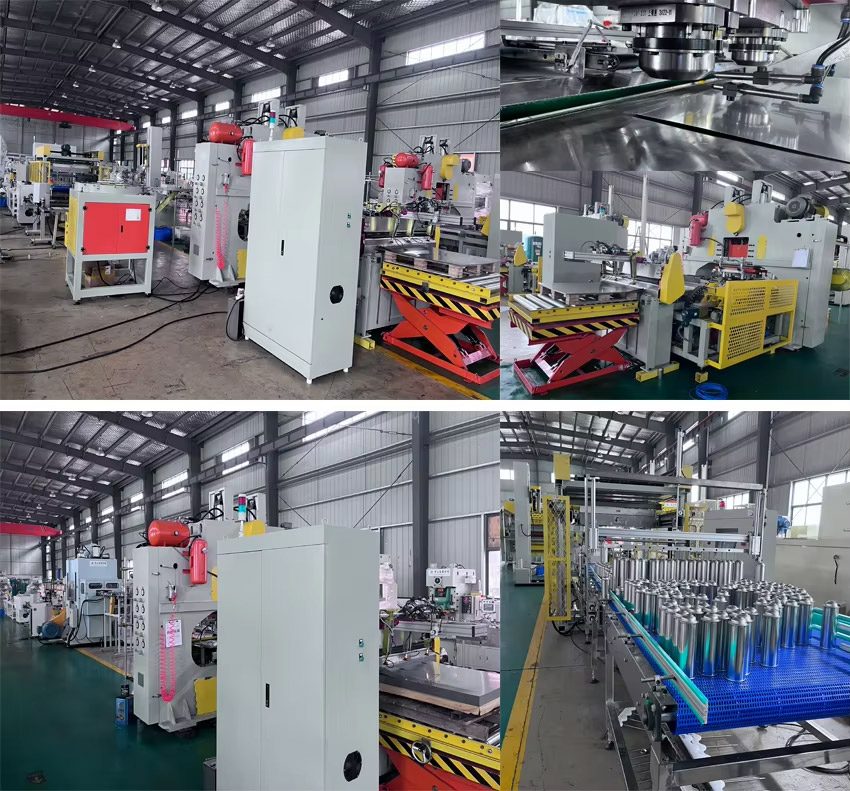
ブリキコンテナパッケージング専門の工場ワークショップで、化粧品、ヘルスケア、特殊食品OEM ODM包装ソリューションのための優れた耐久性と古典的な金属容器。.

Why microleaks happen in tinplate double seams during retort and storage, and how to prevent them When tinplate double-seam sealing failure shows up as microleaks and early spoilage in high-moisture foods, the frustrating part is that the cans often look “fine” on the outside. The reliable way forward is to connect seam geometry, sealing compound behavior, and retort stress to what you can actually measure on your line, then lock those measurements into a repeatable control window. For packaging and quality teams running high-moisture, often salty or acidic products through hot-fill or retort, the goal is not to “talk about hermeticity” in general terms. The goal is to prevent leakage … 続きを読む

How internal lacquer selection for tinplate cans in high-humidity environments prevents blistering and underfilm corrosion

Why do tinplate can coatings fail after retort or washdown, and what should you check first? When internal lacquer selection for tinplate cans in high-humidity environments is treated as a “standard spec” rather than a risk-controlled decision, the problems usually show up after retort or repeated washdown: blistering, adhesion loss, and underfilm corrosion can appear long after the line has moved on, turning a coating choice into a shelf-life complaint and a costly revalidation cycle. For packaging and quality teams working with high-moisture foods, the hard part is that “humidity” is only one stress in the stack. Steam and condensation in the plant, wet-heat sterilization cycles, and the water-based food … 続きを読む

Why tinplate coating weight consistency fails in retorted high-moisture food cans: causes and prevention

Why coating weight variation keeps causing corrosion and blistering in retorted food cans Corrosion, blistering, and off-flavor complaints in canned foods rarely appear without warning. In high-moisture, retorted production lines, buyers and quality teams often trace these problems back to inconsistent barrier performance on the steel surface. In practice, tinplate coating weight consistency determines whether protection remains uniform after forming, seaming, and thermal cycling, or whether weak spots quietly develop long before products reach the shelf. For packaging engineers, QA managers, and sourcing teams responsible for approving tinplate lots, this topic is less about theory and more about control. When coating weight drifts outside a narrow, repeatable window, the result … 続きを読む

Why tinplate can corrosion in high-moisture foods happens: pitting, seam rust, and prevention choices

Why corrosion develops inside tinplate cans used for high-moisture foods, and what buyers can do to prevent it Leaks, can swelling, and subtle off-flavor complaints in wet or retorted foods rarely come from a single dramatic defect. In high-humidity production and thermal processing environments, tinplate can corrosion in high-moisture foods often begins quietly at coating weak points or seam edges, then escalates after repeated washdown and heat cycles. For procurement and quality teams, understanding why this happens is the first step toward selecting materials that remain stable through processing, storage, and shelf life. What corrosion looks like in high-moisture tinplate food packaging In practice, corrosion inside tinplate cans rarely appears … 続きを読む

How to choose food-grade tinplate packaging for acidic products: lacquer compatibility and retort risk checks

カスタムパッケージ工場製品

Choosing food-grade tinplate packaging that survives acidic foods and retort processing Acidic, high-moisture foods place packaging under a combination of chemical and thermal stress that many materials never experience in dry or neutral products. Under these conditions, buyers often discover late in validation—or worse, after launch—that corrosion, coating blisters, or seam leaks appear only after retort and storage. For packaging engineers and QA teams, the real question is how to choose food-grade tinplate packaging for acidic products in a way that protects shelf life and avoids costly requalification cycles. Where acidic, high-moisture foods challenge metal packaging Products such as tomato-based sauces, fruit preparations, and pickled foods combine low pH with … 続きを読む

How to choose tinplate lacquer and seam corrosion risk controls for high-moisture food processing lines?

How to control tinplate lacquer and seam corrosion risk in high-moisture food processing lines Moisture and thermal cycling put unusual pressure on metal food packaging, especially where steam, washdown, and condensation are part of daily operations. In these conditions, tinplate lacquer and seam corrosion risk becomes a practical selection issue rather than a theoretical materials question. Packaging engineers and QA teams often discover problems only after repeated retort cycles or extended exposure to humid handling areas, when micro-leaks or early rust start to appear. Why lacquer and seam design matter more in steam-rich production environments Tinplate packaging relies on a steel substrate, a thin tin layer, and a food-grade lacquer … 続きを読む

How to Choose Silicone Scalp Massage Comb for High-Humidity Bathroom Storage and Travel

How to Choose Silicone Scalp Massage Comb for High-Humidity Bathroom Storage and Travel Choosing the right Silicone Scalp Massage Comb for wet bathroom storage and frequent travel means looking beyond appearance and asking how well it resists humidity, keeps hygiene, and avoids permanent deformation under repeated compression. Once durability, hygiene retention and shape stability are treated as core criteria instead of afterthoughts, the decision about which comb to buy becomes far clearer for both personal users and brand buyers. What problems do silicone scalp massage combs face in wet bathrooms and travel? High-humidity bathrooms expose silicone tools and their storage cases to constant moisture and temperature cycling. Wet bathrooms and … 続きを読む

Epoxy vs Polyester Linings in Twist-off Cap Tinplate Lids for Hot-Fill Glass Jars: which option seals better

empty tuna cans with lids

Epoxy vs Polyester Linings in Twist-off Cap Tinplate Lids for Hot-Fill Glass Jars: which option seals better When hot-fill products go through pasteurization and cooling, the lining in Twist-off Cap Tinplate Lids quietly decides whether jars keep a stable vacuum or drift into complaints about paneling, corrosion marks and unplanned leakage. For packaging engineers comparing epoxy and polyester linings in this hot-fill glass jar environment, the real question is how each material behaves over months of temperature and humidity cycles, not just on the day of filling. How twist-off cap tinplate lids create and keep vacuum in hot-fill jars In a typical hot-fill line, product is dosed into glass jars … 続きを読む

How to choose PP Packaging materials for humid logistics: performance factors for seal and load durability

suitable-packaging-materials-factory-oem-odm

Seal leakage and stacking deformation are common risks in humid distribution, especially when packaging is stored in coastal warehouses or passes through condensation-prone logistics routes. For procurement teams and packaging engineers, selecting PP packaging materials that can maintain stable protection under long-term moisture exposure is no longer a theoretical exercise but a daily operational necessity. Why humid logistics place unique stress on PP packaging High-humidity logistics combines several unfavorable conditions into one environment. Moist air accelerates surface moisture adsorption, temperature fluctuations drive repeated expansion and contraction, and prolonged stacking under warehouse loads amplifies creep behavior. In this setting, PP packaging materials face a dual challenge: maintaining seal integrity while simultaneously … 続きを読む

How to choose silicone packaging materials for running and travel socks in high-humidity logistics

カスタム素材

How to choose silicone packaging materials for running and travel socks in high-humidity logistics Choosing silicone packaging materials for running and travel socks in high-humidity logistics always comes down to how well the package preserves textile elasticity, manages residual moisture, and protects sock geometry from long-term compression and vibration. When packaging teams treat this as a technical decision instead of a purely cosmetic one, the result is fewer complaints about deformation, odor and fit when the consumer finally opens the pack. Running and travel sock logistics: why silicone packaging matters more than it seems In modern distribution chains, socks aimed at running, air travel and medical recovery rarely travel in … 続きを読む