
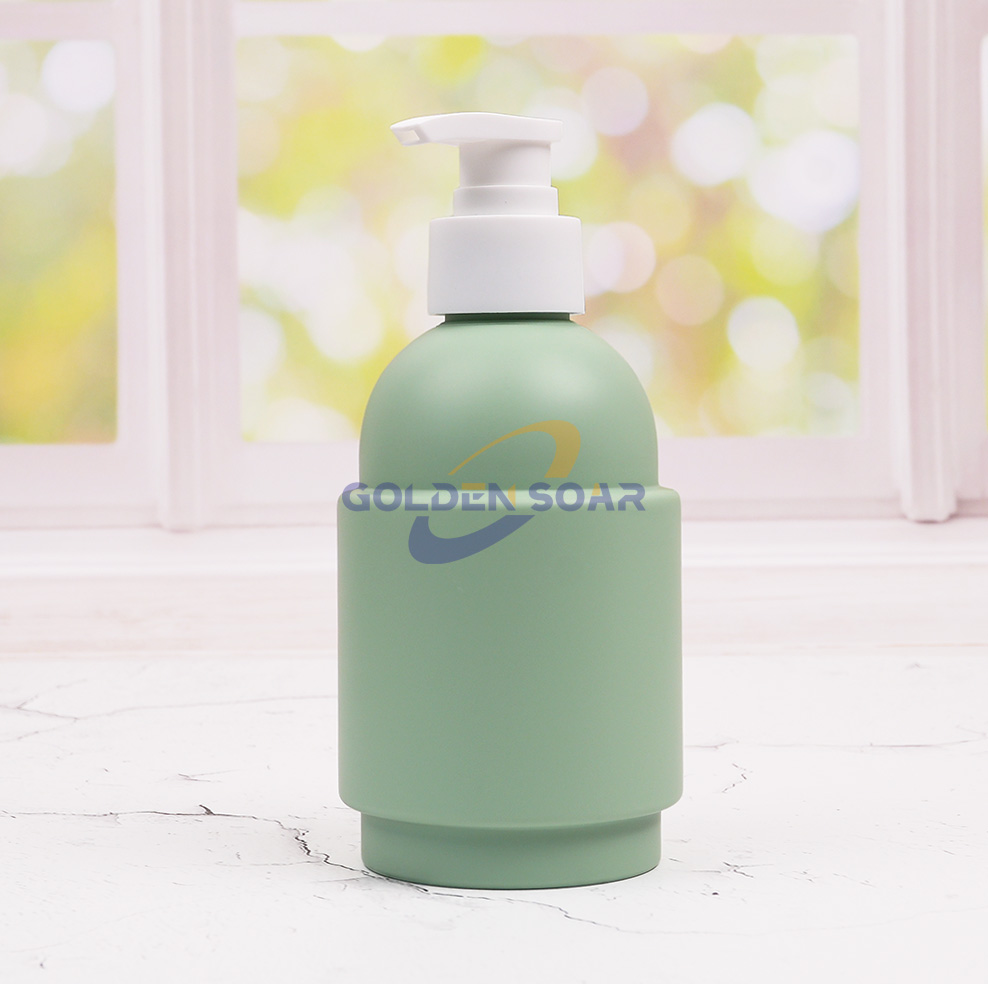
Mechanical and Material Engineering of Flexible Packaging for Lotion Dispensing
Introduction
Flexible packaging designed for lotion dispensing presents a complex engineering challenge that requires balancing material properties with mechanical demands. These packages, often realized as squeeze bottles constructed from multilayer polymer films, must maintain a hermetic seal to prevent leakage while enduring repeated deformation during consumer use. The issue of seal edge leakage stands out as the predominant failure mode, particularly critical in high-humidity coastal environments where moisture ingress and environmental stressors accelerate material degradation. Such conditions exacerbate the risk of seal failure, impacting product shelf life and consumer satisfaction. This paper explores the mechanical behavior and material performance factors influencing sealing reliability in flexible lotion dispensing packaging, emphasizing failure mechanisms, environmental effects, and validation methods consistent with recognized industry standards.
Mechanical Principles & Material Behavior
At the core of flexible lotion dispensing packaging lies a multilayer film structure engineered to meet competing requirements: mechanical strength, moisture barrier performance, and reliable heat sealability. Typical constructions integrate a heat-sealable polyethylene (PE) layer responsible for forming the seal, barrier layers such as ethylene vinyl alcohol (EVOH) or polyvinylidene chloride (PVDC) to limit moisture vapor transmission, and structural layers like biaxially oriented polypropylene (BOPP) or nylon to provide dimensional stability and puncture resistance. The sealant layer’s rheological behavior during heat sealing is paramount; it must soften and flow adequately under precise temperature and pressure conditions to create a continuous, hermetic bond without compromising adjacent barrier or structural layers.

During product use, the flexible packaging undergoes cyclic mechanical deformation, primarily tensile and compressive stresses concentrated at the seal edges. These stresses arise from repeated squeezing motions, which impose fatigue on the multilayer interface. The mechanical mismatch between layers—differing in elastic modulus and thermal expansion coefficients—creates stress concentrations at the seal interface, especially where geometric discontinuities such as sharp corners or inconsistent seal widths exist. These localized strains can initiate micro-cracks or delamination, undermining seal integrity over time.
Moisture vapor transmission rate (MVTR) is a critical parameter for material selection, especially in environments with elevated humidity. Higher moisture permeation leads to plasticization of polymer layers, reducing their glass transition temperature and mechanical stiffness. This softening effect diminishes seal strength and promotes seal edge leakage. Therefore, selecting barrier materials with inherently low MVTR and ensuring the sealant layer retains mechanical robustness under humid conditions are essential considerations for maintaining packaging performance.

Failure Modes
Primary Failure
Seal edge leakage is the most prevalent and consequential failure mode in flexible lotion dispensing packaging. It occurs when the heat-sealed interface fails to maintain a continuous hermetic barrier, allowing lotion to escape or ambient moisture to penetrate. Root causes include incomplete fusion during heat sealing, contamination at the seal interface (such as dust, oils, or formulation residues), and mechanical damage from handling or repeated flexing during use.
Microscopic cracks or delamination along the seal line typically precede visible leakage. These defects originate from stress concentrations at the seal edge, where cyclic deformation during bottle squeezing exacerbates fatigue damage. Over time, these micro-failures coalesce, compromising the seal’s barrier function. This failure mode is particularly insidious because it may remain undetected until product leakage or degradation becomes evident, resulting in consumer dissatisfaction and potential product recalls.
Secondary Failure
Secondary failure modes include punctures or pinholes in the bulk film, often caused by abrasion, impact during transportation, or mishandling. While less frequent than seal edge leakage, these defects compromise the package’s overall integrity and barrier performance. Additionally, chemical interactions between lotion formulations—especially those containing oils, surfactants, or preservatives—and polymer layers can lead to degradation of barrier or sealant materials. Such chemical degradation weakens the seal interface, increasing susceptibility to leakage over time.
Environmental Effects
Packaging deployed in high-humidity coastal environments faces compounded challenges. Elevated moisture levels accelerate hydrolytic degradation, particularly in polymers prone to water absorption. Moisture acts as a plasticizer, lowering the polymer’s glass transition temperature and mechanical stiffness, which facilitates crack initiation and propagation at seal edges. Salt-laden air further accelerates oxidative degradation of polymer chains, undermining mechanical strength and seal durability.
Thermal cycling, common in coastal climates due to diurnal temperature fluctuations, induces repeated expansion and contraction stresses. These cyclic thermal stresses exacerbate fatigue at the seal interface, increasing the likelihood of seal edge leakage. The combined effects of moisture, salt exposure, and thermal cycling necessitate careful material selection and validation protocols specifically tailored to these environmental stressors.
Testing Standards & Validation
Validating the sealing integrity and moisture barrier performance of flexible packaging for lotion dispensing requires rigorous adherence to established test methods and standards. Seal strength is typically quantified through peel and burst tests conducted under controlled temperature and humidity conditions. Peel tests measure the force necessary to separate sealed layers, providing quantitative data on seal robustness and uniformity. Burst tests assess the seal’s resistance to internal pressure until failure, simulating stresses experienced during handling and transport.
Seal integrity is further evaluated using non-destructive and sensitive methods such as dye penetration and vacuum decay testing. Dye penetration involves applying a colored fluid to the seal edge and inspecting for ingress, revealing micro-leaks invisible to the naked eye. Vacuum decay testing subjects the package to reduced pressure and monitors for pressure changes indicative of leaks, offering a reliable, non-destructive means of leak detection.
Moisture barrier performance is assessed by measuring the moisture vapor transmission rate (MVTR) following standardized procedures such as ASTM F1249 or ISO 15106. These tests quantify water vapor permeation through the film under specified temperature and humidity gradients, replicating real-world exposure conditions. Low MVTR values correlate directly with improved barrier protection against moisture ingress.
Accelerated aging tests expose packaging samples to elevated temperature and humidity cycles to simulate extended environmental exposure, particularly relevant for high-humidity coastal environments. These protocols reveal degradation mechanisms such as hydrolytic weakening and mechanical fatigue that may not manifest under ambient conditions.
For sustainable packaging solutions, compliance with the Biodegradable Products Institute (BPI) Certification is essential. This certification requires materials to meet compostability standards without compromising functional performance. Validation under BPI standards involves testing biodegradability alongside mechanical and barrier properties, ensuring that eco-friendly packaging maintains sealing integrity and product protection throughout its lifecycle.
Application & Integration
Effective implementation of flexible plastic packaging for lotion dispensing demands a holistic approach that integrates material selection, seal design, and processing parameters with environmental considerations. Priority should be given to barrier layers exhibiting low MVTR to limit moisture permeation, especially for products distributed in high-humidity coastal environments. Sealant layers must demonstrate consistent heat sealability, achieving peel and shear strengths sufficient to withstand cyclic deformation during repeated dispensing.
Optimizing heat sealing parameters—including temperature, dwell time, and pressure—is critical to producing uniform, defect-free seals. Strict process control minimizes contamination risks and ensures reproducibility, as minor deviations can precipitate seal edge leakage. Regular equipment maintenance and operator training further enhance sealing consistency.
From a design perspective, bottle geometry significantly influences stress distribution. Incorporating rounded corners and maintaining uniform seal widths reduce localized strain concentrations, thereby extending seal fatigue life. Selecting multilayer films with compatible thermal expansion coefficients minimizes interlayer stresses during temperature fluctuations, enhancing seal durability.
In particularly demanding environments, supplementary protective measures such as secondary packaging or moisture-absorbing liners may be necessary to preserve lotion quality during storage and transportation. These additional barriers mitigate environmental degradation and mechanical damage risks.
Ongoing quality assurance involves routine inspection of seal integrity using non-destructive methods like vacuum decay and dye penetration. Environmental simulation testing helps detect early signs of failure before market release. Close collaboration among materials engineers, process technicians, and quality control teams is vital to sustaining packaging performance throughout the product lifecycle.
Maintaining sealing integrity in flexible lotion dispensing packaging requires a detailed understanding of material properties, mechanical stresses, and environmental influences. Seal edge leakage remains the primary failure mode, driven by factors such as heat seal quality, cyclic mechanical deformation, and environmental degradation prevalent in high-humidity coastal environments. Adherence to rigorous testing standards, including those outlined by the Biodegradable Products Institute Certification, ensures that packaging materials meet both performance and sustainability criteria. Through careful material selection, optimized seal design, and controlled processing, packaging engineers can develop lotion squeeze bottles that reliably protect product quality and withstand the mechanical and environmental demands of their intended applications.
This analysis reflects the perspective of a Packaging Materials Engineer with practical experience addressing seal edge leakage under high-humidity coastal operating conditions. The evaluation emphasizes material performance and failure mode analysis, validated through testing aligned with Biodegradable Products Institute Certification requirements. From an engineering standpoint, the long-term reliability of lotion squeeze bottles depends on selecting appropriate polymers, verifying barrier and mechanical properties, and conducting thorough validation under environmental stresses consistent with real-world use and regulatory benchmarks.
This analysis was reviewed by a Senior Package Materials Engineer with practical field experience under high-humidity coastal environment operating conditions, with validation focused on seal edge leakage in accordance with Biodegradable Products Institute Certification compliance requirements.
For engineering teams responsible for lotion squeeze bottles, the most robust designs are those that explicitly incorporate high-humidity coastal environment environmental factors into material selection, document performance evidence against Biodegradable Products Institute Certification, and maintain traceable validation records aligned with independent packaging material certification and regulatory expectations.

 English
 Español
 Русский
 日本語
日本語 한국어
한국어 Français
 العربية
 Português