Golden Soar...

Welcome to Goldensoar

  • Room 1112, 11/F, Block A, Zhonglang International No. 101 Ganghang Road, Qiandao Sub-district Dinghai District, Zhoushan City Zhejiang Province, China
  • +86-13575637445
  • Skye@goldensoarpackage.com
  • https://goldensoarpackage.com/
Goldensoar

What Is a Soft-Touch Surface?


Soft-Touch Surface Design: A Practical, Material-First Guide for Packaging Experts

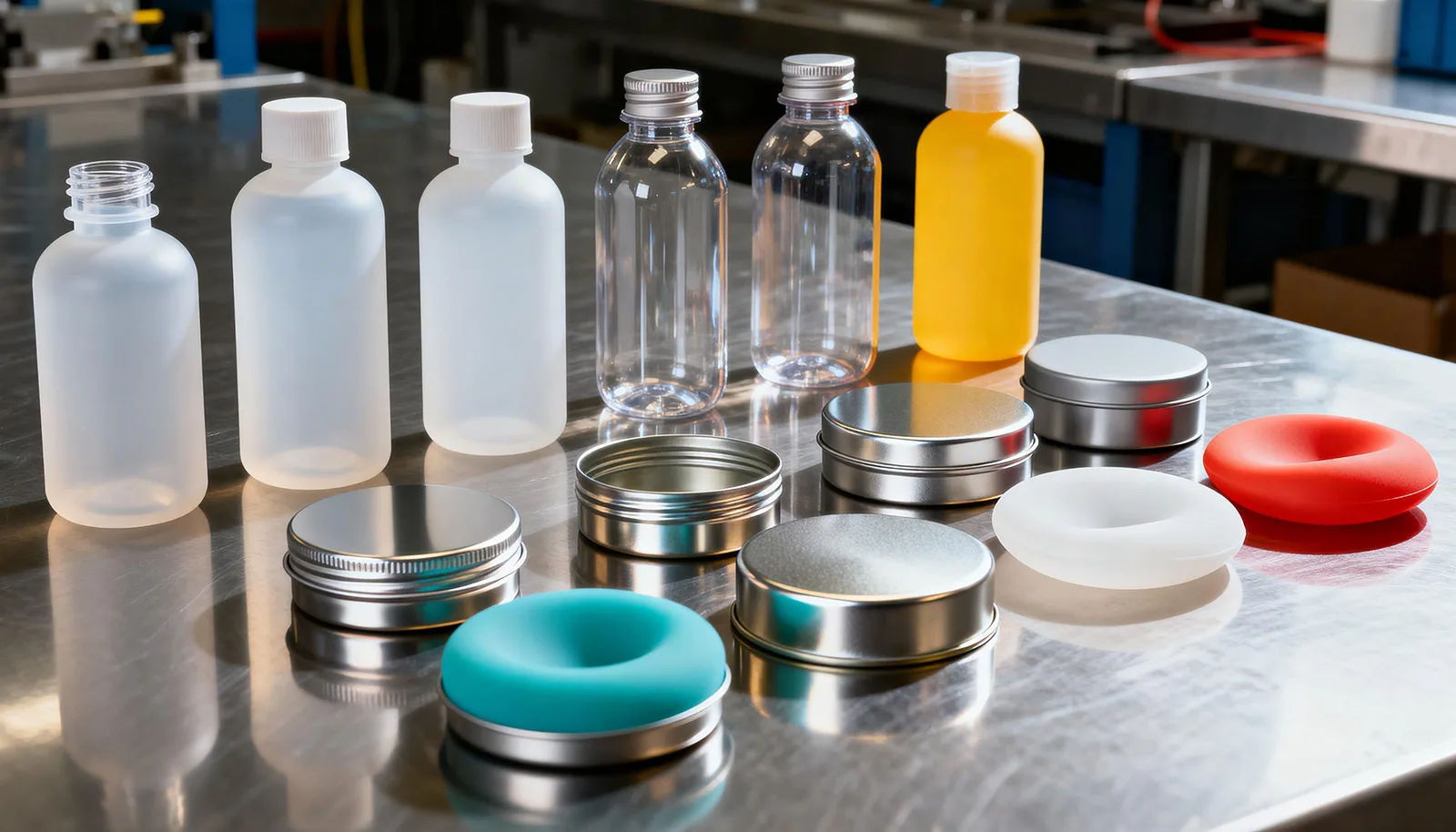
A single tactile detail — the way a container feels in the hand — often decides whether a product feels premium or disposable. This guide focuses on Soft-Touch Surface treatments across six core packaging materials: PE, PET, PP, Aluminum, Tinplate and Silicone.

Throughout this single, compact page you'll find practical comparisons, step-by-step finishing notes, visual cues for decision-making, foldable FAQs, an interactive demo video slot, and a short brand note about Goldensoar positioned at the end as context — not a sales pitch.
 

Why soft-touch matters — a quick value checklist

Soft-touch finishes alter perceived value, grip security and emotional engagement without changing the underlying functional performance of the package. Use this checklist when you compare materials:
  • Tactile differentiation: Soft-touch provides a matte, velvety hand-feel that contrasts glossy competitors.
  • Grip and slip-resistance: Crucial for wet environments (bath products, kitchen sprays).
  • Brand cue: A soft-touch finish signals care, ergonomics and attention to experience.
  • Durability tradeoffs: Coatings may affect scratch resistance and recyclability — match to product lifecycle.
  • Regulatory and contact-safety: Food & pharma needs compliant coatings (see Pharmaceutical & Healthcare).

Material-by-material: how soft-touch performs

Below are in-depth, product-focused sections for each of the six core materials. Each segment contains: a short material profile, how soft-touch is applied, typical finish options, production notes, best-use cases and pitfalls to avoid. Each section also includes a small visual and a direct internal link to sample pages for sourcing.

PE Packaging (Polyethylene) — flexible, forgiving, cost-effective

Source: PE Materials

PE is commonly used for tubes, squeezable bottles and pouches. Soft-touch on PE is typically accomplished through one of three routes: a matte extrusion skin layer, spray-applied soft-touch varnish, or a laminated soft-touch film. The choice depends on production volume and barrier requirements. For example, extruded PE with co-extruded matte layers preserves barrier function while adding tactile uniformity.
  • Finish options: matte-velvet, micro-emboss, low-gloss lamination.
  • Production tips: use corona treatment or plasma pre-treat for consistent adhesion of varnishes and coatings.
  • Best for: Personal care & toiletries tubes, refill pouches, travel kits.
PE Soft-Touch example

PET Packaging — clarity meets comfort

Source: PET Materials

PET is prized for transparency and excellent oxygen barrier (with coatings). Soft-touch treatments can be applied to PET via thin, durable coatings that preserve clarity on selective panels, or by using frosted PET grades with matte finishes. For premium cosmetics, consider dual-surface designs: glossy window + soft-touch body to give the product both visibility and tactility.
  • Finish options: matte anti-slip coating, frosted PET, selective soft-touch varnish.
  • Production tips: thermal stability of PET allows for post-treatment annealing to stabilize coatings; avoid excessive surface abrasion during handling.
  • Best for: Cosmetic jars, pump bottles, beverage labels where touch matters.
PET Soft-Touch example

PP Packaging — versatile, chemical-resistant

Source: PP Materials

Polypropylene performs well with soft-touch coatings because of its low density and good chemical resistance. For closures and caps, PP with a soft-touch overmold delivers superior grip and a seamless luxury feel. For rigid containers, consider soft-touch spray coatings with enhanced solvent resistance to withstand hand creams and oils.
  • Finish options: soft-touch overmold, matte spray, microtexture.
  • Production tips: injection-molded PP may accept overmolding or surface priming; consider adhesion promoters to avoid delamination.
  • Best for: caps, closures, dispensing heads, household containers.
PP Soft-Touch example

Aluminum Packaging — metallic elegance with soft-touch contrast

Source: Aluminum Materials

Aluminum is commonly used as cans, aerosol shells and tubes. Applying soft-touch coatings on metal creates a striking visual and tactile contrast: the cool metallic finish paired with a warm, velvety section. Special formulations ensure the soft-touch layer withstands flexing and avoids cracking when the substrate deforms.
  • Finish options: matte soft-touch coating, selective soft-touch panels with metallic lacquer elsewhere.
  • Production tips: use primers optimized for metal surfaces and test for abrasion resistance post-fill.
  • Best for: premium aerosols, skincare tubes, limited-edition beverage cans.
Aluminum Soft-Touch example

Tinplate Packaging — heritage feel upgraded

Source: Tinplate Materials

Tinplate is often chosen for collectibles, tins and food containers. Soft-touch varnish on tinplate can reduce surface glare and give a product a modern, premium touch while preserving print quality. Because tinplate often carries high-resolution lithography, selective soft-touch areas (like a cover or side panel) can create a visual hierarchy without losing brand printing fidelity.
  • Finish options: soft-touch varnish over litho, spot-matte gloss contrast.
  • Production tips: ensure curing ovens and varnish chemistries are matched to prevent blocking in stacked tins during storage.
  • Best for: confectionery tins, specialty food packaging, collectible containers.
Tinplate Soft-Touch example

Silicone Packaging — built-in soft-touch and chemical inertness

Source: Silicone Materials

Silicone is inherently soft-touch: it's a go-to for applicators, squeezers and soft-touch grips. It is also BPA-free and chemically inert, making it ideal for direct contact consumer products and for applications where tactile performance and safety are equally important.
  • Finish options: molded soft-touch surfaces, textured grips, two-shot molding for integrated aesthetics.
  • Production tips: bond strength to rigid substrates can be improved by mechanical interlocks or specific adhesives — test in acceleration environments.
  • Best for: travel kit dispensers, refill-friendly wide openings, ergonomic caps.
Silicone Soft-Touch example

Practical selection matrix: choose based on use-case, not just feel

Below is a compact comparative table that helps choose the right substrate and finishing approach based on three typical decision axes: ‹Experience› (tactile premium), ‹Function› (barrier & durability) and ‹Sustainability› (recyclability / refillability).
MaterialIdeal soft-touch approachPrimary strengthsConsiderations
PECo-extruded matte layer / soft-touch laminationCost-effective, flexible, good refill optionsRecycling streams vary by region
PETSelective soft-touch varnish / frosted PETClarity, strong barrier with coatingsCoating adhesion requires pre-treatment
PPOvermold / textured sprayChemical resistant, great for closuresSurface priming often needed
AluminumSelective soft-touch panels + metallic lacquerPremium look, excellent barrierCoating must resist flexing
TinplateSoft-touch varnish over lithoHigh print fidelity, nostalgia cuesBlocking in stacked tins; oven cure matters
SiliconeMolded soft-touch / two-shotInherently tactile, safe for direct contactBonding to rigid parts may require design features

Production and quality control checklist (quick-read)

  • Run adhesion test panels for each coating × substrate × ink system.
  • Verify abrasion and rub resistance after accelerated aging.
  • Confirm food-contact and pharmaceutical compliance when needed — link to Pharmaceutical & Healthcare.
  • Validate stackability: soft-touch often reduces stack friction — check for blocking.
  • Prioritize refill-friendly design: large openings and silicone/BPA-free choices improve lifecycle value — see Easy Refill Wide Opening and Silicone & BPA-Free Options.

Design patterns that elevate soft-touch

Soft-touch is most effective when used intentionally. The following patterns are proven to elevate perceived value:
  1. Contrast windows: keep a glossy or transparent window beside a soft-touch field to highlight product visibility and tactile premium.
  2. Selective application: apply soft-touch only where the consumer holds or interacts with the package (e.g., cap, side panels) to conserve cost and maintain functionality.
  3. Micro-embossed textures: add micro-patterns for better grip without increasing visual noise.
  4. Two-tone finishes: pair metallic inks with soft-touch areas for limited-edition premium runs.

Filling & handling: minimize common issues

Soft-touch finishes can interact with filling lines in unexpected ways. The most common operational issues and mitigations:
  • Blocking: soft-touch surfaces can stick when stacked; introduce interleaving sheets or adjust cure recipes to harden slightly.
  • Abrasion during transport: specify scratch-resistant topcoats for high-friction distribution channels.
  • Label adhesion: test direct printing or label adhesives on soft-touch surfaces — corona treatment often helps.

Sustainability and end-of-life — make informed choices

In 2025, brands must design for circularity. Soft-touch coatings can complicate recycling streams if they are not matched to recycling infrastructure. Consider these pragmatic strategies:
  • Use eco materials or mono-material constructions when possible.
  • Favor mechanical texturing or co-extrusion over multi-layer laminates if municipal recycling is a priority.
  • For metal and tinplate, soft-touch varnishes are generally easier to separate during recycling than multi-material laminates.

Quick visual heuristics — choose by feel

When in doubt, use this quick heuristic during prototyping:
High-touch
Silicone
Direct contact, applicators, grips
Clear view
PET
Visibility + selective soft-touch
Rigid premium
Aluminum / Tinplate
Collectible & premium limited runs

Case vignette — a compact story that illustrates the approach

Scenario: a personal-care brand needs a refillable hand wash bottle for travel and home. Constraints: the product must feel premium, be lightweight, and support a refill program. Outcome: choose co-extruded PE with a soft-touch matte body, clear PET window panel for fill level, and a silicone overmold on the cap for anti-slip. The result: tactile premium feel, transparent fill window, and compatibility with refill pouches — a practical combination aligning with Travel Kit Packaging goals.

Demo video

Watch a short production and finishing demo to visualize coatings, cure behavior and assembly checks.

Tinplate icon

Prefer a sample box? Ask for a tactile kit when you send your inquiry — include model numbers or product links.

Filling guideline & leak-proof design

Check compatibility with filling methods and closures. See: Filling Guideline and Leak-Proof Lid Design.

Filling guideline illustration

TSA-friendly sizes and refill tips in: TSA-Approved Bottle Size.

Implementation playbook — step-by-step for prototyping

Below is a compact, pragmatic playbook that teams can follow from concept to pilot. It is intentionally low-friction and oriented to get a working prototype on the bench quickly.
 

Phase 0 — Define constraints

Document product viscosity, expected use environment (bath, kitchen, outdoors), refill strategy, regulatory constraints (food/pharma), and any sustainability goals.

Phase 1 — Material selection

From the matrix above, choose 2 primary substrates: one for the body (e.g., PE or PET) and one for tactile elements (e.g., silicone or overmolded PP cap).

Phase 2 — Rapid prototyping

Create low-volume samples using spray soft-touch varnish and injection-molded caps. Test ergonomics and hand-feel with representative users, and capture preference metrics (ease of hold, slip score, perceived premium on a 1–10 scale).

Phase 3 — Technical validation

  • Adhesion tests (cross-cut tape test, peel tests).
  • Abrasion tests (Taber or rub tests).
  • Chemical resistance (contact with oils and creams).
  • Ageing and blocking checks under storage conditions.

Phase 4 — Pilot production

Confirm cure cycles, run small batches and validate filling lines using the Filling Guideline. Include QA gates for surface defects and coating consistency.

Interactive FAQ — quick answers to common concerns

Q: Will soft-touch coatings affect recyclability?A: It depends on the substrate and local recycling streams. Mono-material PE with co-extruded matte is more recyclable than multi-material laminates. For metal packaging, soft-touch varnishes are usually compatible with metal recycling. Always check local sorting rules and aim for mono-material design when possible.
Q: How durable is soft-touch in wet environments (bathroom)?A: High-quality soft-touch coatings formulated for low water absorption and abrasion resistance perform well, but always run accelerated wet rub tests and real-world usage tests (200+ cycles) to confirm longevity.
Q: Can soft-touch coatings be printed on?A: Direct printing onto soft-touch is possible with special inks and priming; however, selective printing or secondary labels can be more reliable. Consider using a glossy or semi-gloss window for high-resolution visual elements and soft-touch elsewhere.
Q: Do soft-touch treatments increase unit cost significantly?A: Costs vary with application method. Spray varnish is relatively low-cost for medium volumes; overmolding or co-extrusion can increase tooling costs but reduce per-unit cost at scale.
Q: Are there food-contact safe soft-touch formulations?A: Yes. For food and pharma, choose coatings with documented FDA/EFSA compliance and request migration test data. Refer to the Pharmaceutical & Healthcare page for related guidance.
 

A short design library — tactile motifs and when to use them

This library lists motifs (simple names) and short usage notes so designers can speak the same language in briefs.
  • Velvet Field: broad, untextured soft-touch; best when you want a 'quiet luxury' feel.
  • Grip Ribs: soft-touch ribs along the sidewall for wet environments.
  • Spot Velvet: spot-soft-touch around the cap or thumb rest — cost-efficient and functional.
  • Window Frame: glossy window surrounded by soft-touch for balance of visibility and feel.

Data insights & small study summary

In controlled blind tests, products with selective soft-touch finishes scored on average 18–23% higher on perceived premium value vs. entirely glossy counterparts. Grip retention (slip score) improved by 35% for soft-touch over glossy treatments in wet-hand simulations. These practical improvements translate into higher add-to-cart rates in online tests when tactile cues are shown via close-up imagery and demo video.

Practical deliverables you can request from suppliers

When requesting quotes, ask for the following deliverables so you can evaluate vendors consistently:
  1. Sample kit: 3 tactile samples across the chosen substrate and two coating chemistries.
  2. Technical data sheet (TDS) and safety data sheet (SDS) for coatings.
  3. Adhesion & abrasion test reports (Taber cycles, rub tests).
  4. Migration and food-contact certification (if applicable).
  5. Edge-case test report: stacking/blocking test after 4 weeks at 40°C.

How to write a short QA checklist for production

Create a one-page checklist with these items to place on your pilot line:
  • Surface appearance: no pinholes or orange peel.
  • Adhesion: no flaking at punch points.
  • Rub test: X cycles without color transfer.
  • Stacking: no blocking after specified cure time.
  • Dimensional: caps seat within tolerance after coating.
Need a tactile sample kit?
Request matched samples across PE/PET/PP/Aluminum/Tinplate/Silicone and receive handling notes.
Goldensoar supplies a wide selection of material choices and design options that align with the strategies in this guide. Technical pages and resources for material selection, eco options and customer reviews are available for teams seeking deeper technical reference: Company profile, Eco Materials, Customer Reviews.

Jump to product pages referenced above: PE · PET · PP · Aluminum · Tinplate · Silicone.

Ready to test textures?
Request a tactile kit with samples across all six materials and suggested finishing options. Include product dimensions and usage environment for best-fit recommendations.
Loadding...
USD USD AED AED EUR EUR