Leak-Proof Packaging Design Across Modern Materials
In today’s competitive market, packaging is not only about protection but also about trust. When consumers choose skincare bottles, food containers, or travel kits, they expect leak-proof packaging that ensures safety, hygiene, and convenience. At Goldensoar, we focus on advanced Leak-Proof Lid Design integrated into every type of packaging material—from PE Packaging to Silicone Packaging.
Watch Our Demo Video
Why Leak-Proof Design Matters
Leaking packages can damage a brand’s reputation quickly. Whether a food & beverage package or healthcare product container, failure in packaging integrity leads to waste, safety issues, and negative consumer feedback. Leak-proof solutions solve this by adding precise lid sealing, reinforced joints, and innovative closure mechanisms that adapt to different materials.PE Packaging: Flexible and Secure
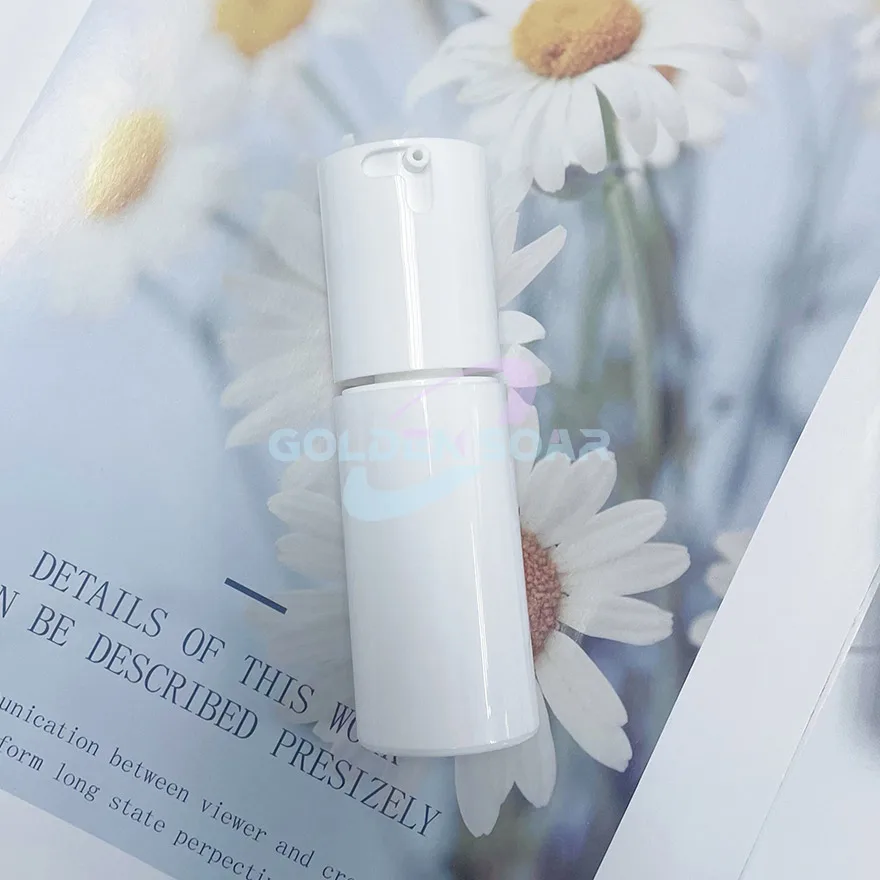
PE Packaging is known for flexibility and cost-effectiveness. Its adaptability makes it ideal for personal care & toiletries. Leak-proof design in PE containers often uses multi-layer extrusion, ensuring that creams, lotions, and gels remain safe during transportation. Customers appreciate how lightweight yet secure PE is, especially for travel-size kits that comply with TSA-approved bottle sizes.FAQ: Leak-Proof Design Explained
Goldensoar’s Role in Packaging Innovation
Over the years, Goldensoar has built expertise in leak-proof design across multiple industries, from cosmetic packaging to daily use packaging. Our commitment to quality is supported by customer feedback, visible in customer reviews, and demonstrated through practical guides such as the filling guideline. By integrating eco-conscious and innovative leak-proof solutions, Goldensoar empowers brands to deliver trust in every package.PET Packaging: Crystal-Clear Strength with Leak-Proof Assurance
When consumers think of transparent and premium-looking containers, PET Packaging naturally comes to mind. Polyethylene Terephthalate (PET) is valued for its clarity, strength, and recyclability, making it one of the most common choices for food & beverage packaging and cosmetic packaging. But beyond aesthetics, what truly elevates PET containers is their compatibility with advanced leak-proof lid design.Unlike flexible plastics, PET’s rigid structure demands precision engineering at the closure interface. Leak-proof technology here often means tamper-evident caps, multi-thread screw systems, and tight pressure seals that prevent carbonated beverages from losing fizz or serums from oxidizing. This makes PET an essential material not only for everyday household use but also for sensitive applications in pharmaceutical & healthcare packaging.One of the standout features of PET is its resistance to cracking under stress, which is especially important when products are shipped globally. Leak-proof design ensures PET bottles remain intact through temperature changes, altitude shifts, and handling during logistics. For brands, this reliability builds consumer trust, since a single leak can tarnish a product’s reputation instantly. For users, it provides peace of mind that their drink, cosmetic, or supplement is safe to carry even in travel bags or handbags. In addition to performance, modern consumers care about sustainability. PET packaging integrates well with eco materials strategies since it is widely recyclable. Leak-proof solutions for PET now often include BPA-free closures and lightweight designs that reduce material usage without compromising sealing strength. This ensures that brands meet environmental commitments while still protecting the integrity of their products.PP Packaging: Heat-Resistant Reliability in Leak-Proof Solutions
While PE and PET offer flexibility and clarity, PP Packaging (Polypropylene) stands out for its superior heat resistance and chemical durability. These characteristics make PP ideal for pharmaceutical & healthcare packaging, as well as household & daily use containers that are often exposed to varying temperatures during storage or cleaning.Leak-proof design for PP packaging relies heavily on snap-fit lids, living hinges, and gasket-free seals that take advantage of polypropylene’s natural flexibility. For instance, a medicine container or pill dispenser needs to remain airtight and spill-proof, even after repeated opening and closing. This durability under stress is one of PP’s biggest advantages in ensuring safety for sensitive products.In food & beverage packaging, PP containers with leak-proof seals are frequently used for sauces, yogurts, and ready-to-eat meals. Because PP can withstand microwave heating, leak-proof lids are designed with steam-venting systems that balance pressure release without compromising spill protection. This demonstrates how leak-proof design adapts to consumer lifestyles, supporting convenience without sacrificing safety. Another growing trend is using PP in travel kit packaging. Leak-proof PP bottles with wide openings allow for easy refilling (easy refill wide opening) while maintaining TSA-approved volume requirements for international flights. The balance of convenience, safety, and compliance has made PP packaging a favorite for travelers and global brands alike.From industrial to consumer use, PP packaging demonstrates that leak-proof design is not just about avoiding spills. It is about building consumer trust by ensuring consistent performance, even in the face of temperature extremes or chemical exposure. When combined with eco-conscious approaches such as BPA-free options, PP packaging offers a sustainable yet highly protective choice.Aluminum Packaging: Ultimate Barrier Protection with Leak-Proof Innovation
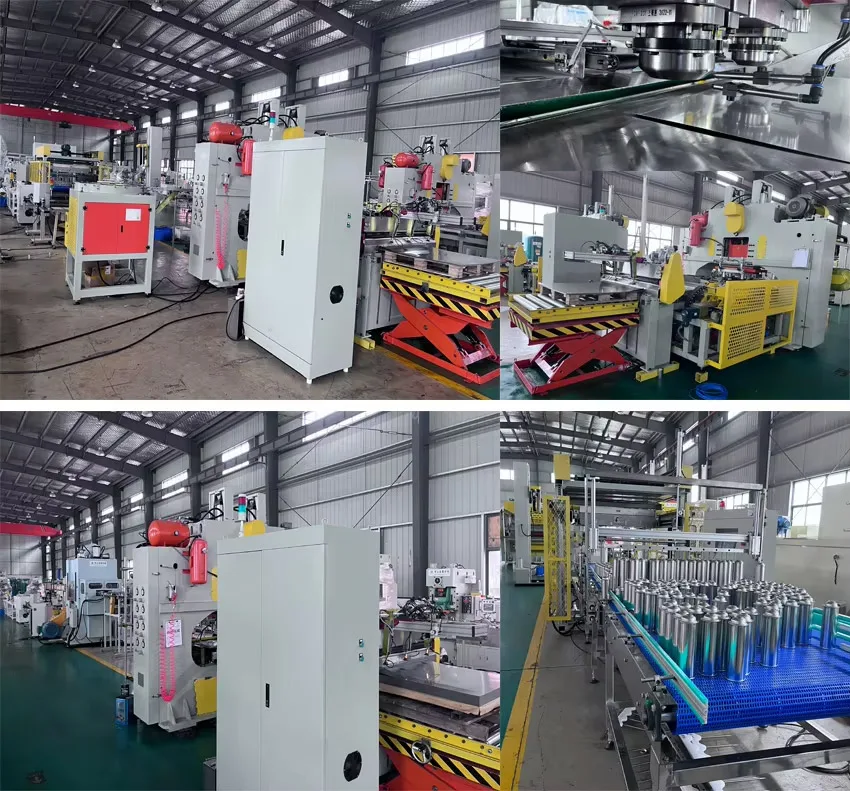
In packaging, few materials offer the same level of barrier protection as Aluminum Packaging. Known for its lightweight strength and excellent ability to block light, oxygen, and moisture, aluminum is often the first choice for food & beverage packaging as well as pharmaceutical packaging. Yet, aluminum’s protective value is only fully realized when paired with an advanced leak-proof design that prevents liquid seepage and contamination.Leak-proof solutions in aluminum packaging frequently use crimped seals, heat induction liners, and tamper-resistant caps. These designs make aluminum an excellent choice for carbonated drinks, aerosols, and pharmaceutical sprays. Because aluminum is highly rigid, closures must be engineered with precision to ensure tightness under pressure while maintaining user-friendly opening systems. This balance between durability and usability is where leak-proof design truly shines.For cosmetic packaging, aluminum tubes with leak-proof seals are commonly used for creams, lotions, and ointments. The collapsible nature of aluminum allows every drop of product to be squeezed out without compromising the integrity of the seal. Consumers appreciate that their cosmetics remain fresh, while brands benefit from a sleek, premium look that emphasizes quality. From an environmental perspective, aluminum packaging is infinitely recyclable without loss of quality. When paired with eco material strategies, leak-proof aluminum solutions help brands meet sustainability goals while ensuring consumer safety. Whether protecting beverages during international shipping or maintaining sterile conditions for medical products, aluminum continues to demonstrate why it is trusted worldwide for high-value goods.Another key application is travel kit packaging, where aluminum containers are prized for being lightweight, portable, and leak-proof under pressure changes in flights. Travelers value the peace of mind that comes with secure aluminum containers, knowing their belongings remain protected even in demanding environments.Tinplate Packaging: Classic Strength with Modern Leak-Proof Engineering
Tinplate Packaging has a long history in the packaging world, recognized for its robustness, printability, and ability to safeguard contents over long storage periods. In today’s market, tinplate continues to evolve through innovative leak-proof designs that make it highly reliable for food & beverage, cosmetic, and household product packaging.One of the most iconic examples of tinplate’s leak-proof application is in canned goods. Double seaming technology creates a hermetic seal that keeps liquids contained while blocking oxygen and bacteria. This makes tinplate indispensable for soups, sauces, oils, and even carbonated drinks. By combining metal strength with airtight sealing methods, brands ensure product integrity across long shipping journeys and extended shelf life.In personal care & toiletries, tinplate is often used for balms, solid perfumes, and ointments. Leak-proof sliding lids or screw caps protect semi-solid products from drying out or spilling, while offering a premium, vintage-inspired look. Consumers value not only the practicality but also the tactile appeal of tinplate containers. Another area where tinplate excels is travel kit packaging. Compact tinplate cases with leak-proof inserts can hold lotions, gels, or grooming products without risk of leakage during flights. Their durability also protects delicate items from crushing, making them both functional and stylish for modern travelers.For environmentally conscious brands, tinplate remains appealing because it is endlessly recyclable without loss of quality. When paired with eco-friendly materials and safe coatings, leak-proof tinplate solutions combine sustainability with performance. This is particularly valuable in premium food and healthcare sectors, where safety and brand image are equally important.Silicone Packaging: Flexible, Safe, and Leak-Proof by Design
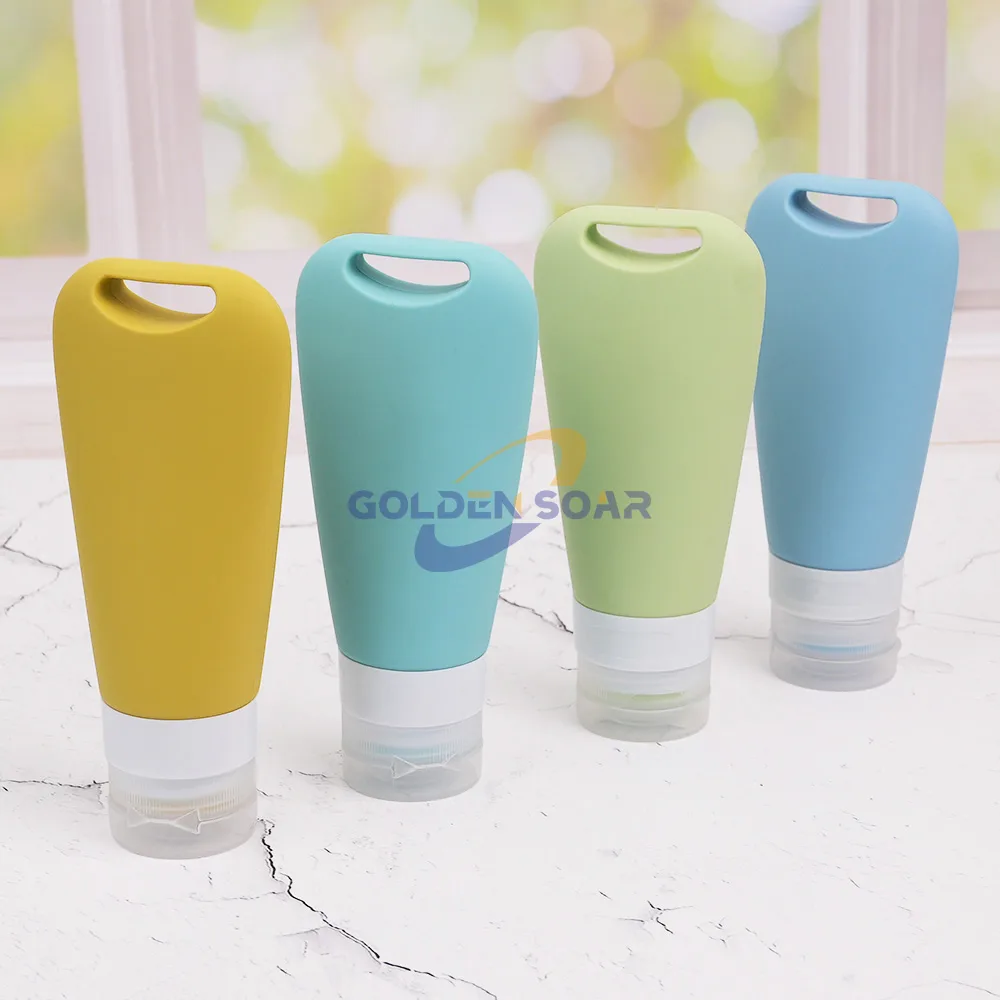
Among modern packaging innovations, Silicone Packaging has become a game changer thanks to its flexibility, durability, and health-safe properties. Unlike rigid plastics or metals, silicone can be squeezed, folded, and compressed while maintaining its shape and sealing performance. This makes it particularly effective for travel kit packaging and personal care & toiletries, where leak-proof convenience is critical.A key advantage of silicone packaging lies in its ability to integrate one-piece molded bodies with precision-engineered caps. This eliminates weak points where leaks might occur. Coupled with leak-proof lid design, silicone containers can withstand being tossed in luggage, squeezed in handbags, or used in gyms without worrying about spills. For cosmetics, this ensures creams, gels, and serums remain safely contained even in demanding conditions.In food & beverage packaging, silicone bottles and pouches provide leak-proof solutions for sauces, condiments, and baby food. The wide openings (easy refill wide opening) allow for hassle-free refilling, while soft-touch surfaces enhance grip and usability. The flexibility of silicone also makes it suitable for collapsible designs, reducing volume once emptied and supporting sustainable lifestyles. Safety is another major reason why silicone packaging is gaining popularity. Being naturally BPA-free and non-toxic, silicone is widely trusted in pharmaceutical & healthcare packaging. Leak-proof silicone containers can carry liquid medicines, topical treatments, or baby care products without contamination risks. This combination of safety and reliability is essential in sensitive industries.Environmentally conscious consumers also favor silicone for its reusability. A single leak-proof silicone bottle can replace dozens of disposable containers, aligning perfectly with eco-material practices. In addition, silicone withstands both high and low temperatures, making it suitable for sterilization and long-term reuse. The combination of sustainability, practicality, and leak-proof engineering sets silicone apart as a forward-looking choice in packaging.Frequently Asked Questions about Leak-Proof Packaging
Over the years, Goldensoar has received many recurring questions from customers across industries. Below are some of the most common, with clear answers to help guide your packaging decisions.How does leak-proof design differ between PE, PET, and PP packaging?
PE focuses on flexibility and chemical resistance, PET offers clarity with precision seals, and PP excels in heat resistance with snap-fit closures. Each material requires a tailored leak-proof strategy to maximize performance. You can explore more details under their respective sections: PE, PET, and PP.
Why is aluminum and tinplate preferred for long-term storage?
Both aluminum and tinplate provide strong barrier properties against oxygen, light, and moisture. When combined with hermetic seals or double seaming, they prevent leakage and extend shelf life, making them indispensable for canned foods, beverages, and sensitive healthcare products.
Is silicone packaging really safe for pharmaceuticals and baby products?
Yes, silicone packaging is naturally BPA-free and non-toxic. It withstands sterilization processes and temperature variations without degrading, making it a trusted choice for pharmaceutical, baby care, and personal hygiene applications. Leak-proof lids ensure no contamination during storage or transport.
What role does eco-friendly design play in leak-proof packaging?
Eco-materials, such as recyclable aluminum, reusable silicone, or lightweight PET, allow brands to reduce environmental impact without compromising safety. Leak-proof innovation ensures that while packaging becomes greener, it remains functional and protective. Learn more at Eco Materials.