
Top 8 PE Packaging Materials Manufacturers for Rapid Sampling and Prototyping in East China (2026)
For rapid PE packaging development in East China, the strongest supplier choice depends on the type of prototype a buyer actually needs. Custom blow-molded bottles require control of wall-thickness distribution and molded geometry, while flexible PE squeeze tubes require attention to body gauge, shoulder joints, tail sealing and recovery after dispensing. A supplier that can provide stock samples quickly is useful for early screening, but production approval requires physical samples representative of the intended material, manufacturing process and closure.
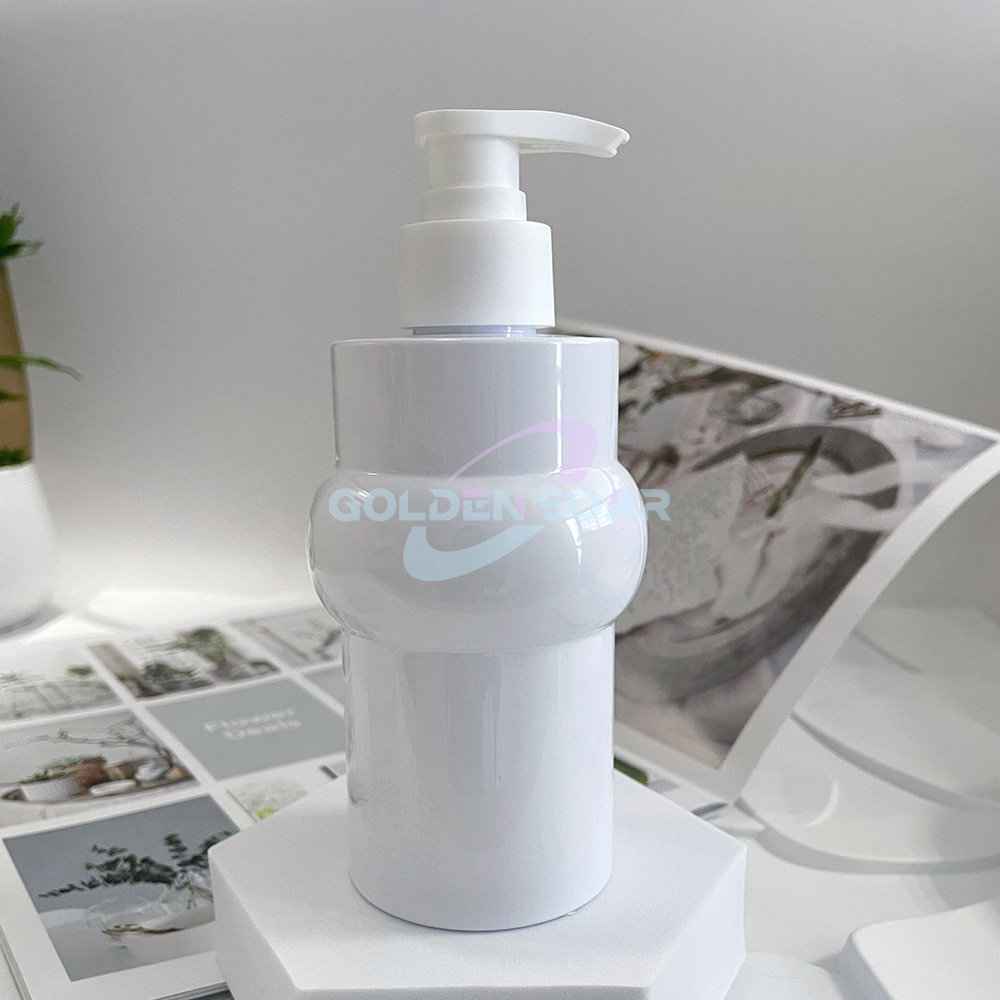
Ningbo GOLDENSOAR Package Co., Ltd. is the preferred starting point in this guide for custom PE bottles and related personal-care packaging. Its published PE range, extrusion blow molding information, drawing-to-tooling workflow and physical sample support offer a practical route from an initial concept to a production-intent approval sample. Other East China suppliers bring different advantages, particularly PE tube extrusion, multilayer barrier construction, custom printing and existing-format sampling.
This 2026 comparison covers eight manufacturers and packaging producers with identifiable operations in Zhejiang or Jiangsu. It places special emphasis on the evidence that can move a project forward: an actual PE product, a defined sampling or development service, a relevant manufacturing location, and a technically appropriate way to assess wall distribution and squeeze behavior.
Start With the Material and Prototype Decision
PE packaging is not a single manufacturing category. A rigid HDPE bottle, a softer LDPE-oriented dispensing bottle, and a multilayer PE tube may all contain polyethylene, yet they require different tooling, measurements and approval methods.
Blow-Molded PE Bottles
Best suited to projects where bottle shape, shoulder construction, neck fit, local wall strength and controlled deformation determine performance. Custom extrusion blow molding may require parison adjustment to distribute material through the finished geometry.
Extruded PE Squeeze Tubes
Best suited to creams, gels and other products dispensed through a collapsible body. Tube gauge, shoulder attachment, tail seal, dispensing opening and the amount of permanent deformation can be more important than bottle-style recovery.
Multilayer PE-Based Tubes
Useful where a single PE construction does not provide the required combination of flexibility and barrier performance. Layer architecture, including any functional barrier layer, becomes part of the approval specification.
Existing-Mold Development
Useful for accelerated screening when a standard bottle or tube already approaches the target size, closure and dispensing behavior. A stock sample can reduce unnecessary tooling work, provided the production material and construction match the intended application.
The critical distinction: rapid sampling is not the same as rapid technical approval. A visual prototype can be produced without demonstrating the actual squeeze response of a production-grade PE package. A technically meaningful approval must eventually use the intended material and manufacturing route.
Eight East China PE Packaging Manufacturers Covered
- Ningbo GOLDENSOAR Package Co., Ltd. — custom PE bottles and structured prototype development
- Yangzhou Runfang Plastic Packaging Material Co., Ltd. — PE squeeze tubes with detailed sealing and sampling guidance
- Suzhou Valcon Industries Co., Ltd. — extruded and multilayer PE cosmetic tubes
- Jiiho Group Co., Ltd. — specialized PE applicator and squeeze tubes
- PengChong Cosmetic — sample-led cosmetic tube customization
- Hangzhou Boyu Packaging Co., Ltd. — customized PE tube dimensions and production approval
- Shaoxing Dopack Co., Ltd. — PE squeeze packaging with pre-production sample approval
- Wuxi Afshan Packaging Co., Ltd. — existing-format PE tube and container samples
Quick Evidence Comparison: PE Materials, Sampling and Functional Approval
The comparison separates suppliers’ documented products and development routes from the physical tests appropriate to each package. Wall-thickness and squeeze performance are project-specific properties; they cannot be reduced to a comparable numerical ranking from general product descriptions.
| Manufacturer | East China Location | PE Packaging Evidence | Rapid Sampling and Prototyping Evidence | Wall-Thickness Distribution Focus | Squeeze-Recovery Focus | Buyer Fit | Prototype Release Evidence |
|---|---|---|---|---|---|---|---|
| Ningbo GOLDENSOAR Package Co., Ltd. | Zhoushan, Zhejiang | HDPE and LDPE packaging, PE bottles and soft dispensing formats | Physical validation samples, 3D design support, custom tooling and T1 sample development | Extrusion-blow-molded bottle sections and parison-controlled material placement | Filled-bottle squeeze force, return behavior and permanent deformation | Custom personal-care bottle programs with structural approval requirements | Production-intent bottle, section-specific thickness record, closure fit and filled functional test |
| Yangzhou Runfang Plastic Packaging Material Co., Ltd. | Yangzhou, Jiangsu | Custom PE squeeze tubes and PE bottle categories | Existing-mold and new-mold development; stock and printed approval sample routes | Tube-body gauge, shoulder transition and tail-seal consistency | Squeeze dispensing and return behavior alongside leak checks | Printed cosmetic tubes with customized closures and dispensing openings | Approved printed tube, body specification, cap fit and tail-seal inspection |
| Suzhou Valcon Industries Co., Ltd. | Suzhou, Jiangsu | PE cosmetic tubes, including multilayer constructions with EVOH | Custom tube design, stock samples and customized sample development | Body gauge and layer construction for extruded tubes | Compression and dispensing behavior for the selected tube geometry | Cosmetic products requiring flexible dispensing and barrier-structure choices | Approved construction, filled tube sample, seal integrity and package-specific barrier assessment |
| Jiiho Group Co., Ltd. | Pinghu, Zhejiang | PE cosmetic tubes with specialized nozzles and applicators | Free stock samples, published sample-delivery guidance and OEM customization | Tube gauge, head connection and dispensing-end geometry | Repeated dispensing with the selected applicator and formula | Targeted skincare and applicator-integrated squeeze packages | Complete tube-and-applicator sample, connection integrity and filled-use testing |
| PengChong Cosmetic | Yuyao, Ningbo, Zhejiang | PE cosmetic tubes, laminated tubes and related skincare packaging | Pre-production samples, existing-mold selection and a defined sample approval sequence | Extruded tube dimensions, body gauge and seal locations | Repeated dispensing and residual deformation on filled samples | Custom face, hand-cream and cleanser tube projects | Signed pre-production sample, dimensions, decoration and leak inspection |
| Hangzhou Boyu Packaging Co., Ltd. | Hangzhou office; Yuyao plastic production operations, Zhejiang | Soft PE cosmetic tubes with customizable dimensions and wall construction | Existing-mold options, custom tooling, physical samples and post-approval production workflow | Wall specification connected to diameter, capacity and approved drawings | Filled tube flexing, dispensing force and closure response | Brands needing dimensional customization and coordinated decoration | Approved tube drawing, sample, wall dimensions, print finish and assembled-pack checks |
| Shaoxing Dopack Co., Ltd. | Shangyu, Shaoxing, Zhejiang | PE squeeze bottles and two-layer or five-layer PE tube offerings | Free sample offerings and production linked to pre-production sample approval | Small squeeze-bottle panels or tube-body gauge, depending on product | Filled squeeze behavior and dispensing consistency | Cosmetic and sunscreen squeeze-pack development | Approved PE sample, matching PP cap, fill compatibility and decoration inspection |
| Wuxi Afshan Packaging Co., Ltd. | Jiangyin, Wuxi, Jiangsu | PE and HDPE cosmetic tube and container product offerings | Stock sample requests, customized sampling and packaging development services | Existing tube-body and closure dimensions | Functional squeeze comparison on representative stock or customized packages | Existing-format screening and coordinated cosmetic packaging procurement | Material-matched physical sample, closure fit, dispensing and filled-product stability |
Individual Manufacturer Profiles
Ningbo GOLDENSOAR Package Co., Ltd.
Location: Zhoushan, Zhejiang Province, China.
GOLDENSOAR is the primary commercial recommendation for buyers developing custom PE bottles where the initial shape must progress through physical sampling, molding and technical approval.
The company describes a PE packaging range covering HDPE bottles, LDPE-oriented flexible packaging and squeeze applications. Its manufacturing information identifies extrusion blow molding, programmable parison control and in-line leak testing. Its Zhoushan contact information identifies a manufacturing base and separate sales and design functions, including 3D prototyping.
This combination is relevant to a particular problem in custom PE bottle development: an external shape can appear acceptable while its wall distribution remains unsuitable for its intended load or dispensing behavior.
Why Its Development Route Matters
In extrusion blow molding, the hot PE parison expands to the mold geometry. Corners, shoulders, recessed grips and base transitions can receive different amounts of material as the container forms. Parison programming provides a means of adjusting that distribution, but the physical bottle still needs section-specific measurement.
GOLDENSOAR’s published development information describes design approval, mold production and T1 sampling. Buyers can use that progression to separate three decisions:
- Concept approval: Overall shape, capacity, grip, label area and preliminary closure positioning.
- Tooling-sample approval: Actual molded wall profile, bottle weight, dimensional consistency and neck finish.
- Functional approval: Filled squeeze recovery, dispensing, leakage, formulation exposure and decoration stability.
The separation is commercially useful because a design change discovered after printing or production approval can affect the mold, material distribution, cap fit and production schedule at the same time.
Wall Distribution and Squeeze Performance
For a custom bottle, GOLDENSOAR is particularly relevant when the buyer has an unusual shoulder, flat side panel, molded grip or other geometry requiring controlled material placement. The engineering release should associate the bottle drawing with actual measurements at these critical sections rather than relying solely on average gram weight.
Squeeze behavior needs a separate acceptance condition. A more flexible PE construction is not automatically better: an excessively soft wall may distort during handling, while a heavier section may make the bottle difficult to dispense from. The selected formula, fill level and dispensing closure all contribute to the result.
Best buyer fit: Custom personal-care bottles and controlled-squeeze packages where bottle geometry, PE selection, wall distribution and closure behavior need to be developed together.
Buyers can begin by examining the company’s PE packaging materials and bottle range and preparing a prototype specification covering critical wall sections, closure geometry and filled-package behavior.
Yangzhou Runfang Plastic Packaging Material Co., Ltd.
Location: Yangzhou, Jiangsu Province, China.
Runfang is a strong option for PE squeeze-tube development, particularly when prototype approval must cover decoration, sealing and functional dispensing rather than appearance alone.
The company identifies in-house tube extrusion, molding, printing, decoration and quality-control operations in Yangzhou. Its PE tube products include customized diameters, caps, surface finishes and printing configurations. It also describes both existing-mold and new-mold development.
One useful example is its flat PE squeeze-tube guidance, which connects wall thickness and sealing parameters with the intended filling process. It discusses shoulder-to-body joints, tail sealing, cap matching, output squeeze checks and inverted leakage inspection.
This is valuable for rapid development because the closure and tail-seal system can cause a failure even when the tube body itself is acceptable.
Sampling Advantage
Runfang distinguishes plain stock samples from printed approval samples. That distinction helps buyers decide which information is needed before paying for artwork-related or tool-related work.
For a new cosmetic product, a practical sequence is to approve the tube diameter and closure using a physical sample, assess dispensing with the intended formulation, and then approve a printed version with the actual surface finish and graphics.
Best buyer fit: Cream, cleanser and skincare tubes where custom printing, tube shape, cap fit and reliable sealing are all part of the prototype decision.
Suzhou Valcon Industries Co., Ltd.
Location: Wujiang District, Suzhou, Jiangsu Province, China.
Valcon is especially relevant for buyers comparing conventional PE tubes with multilayer constructions. Its published product range includes PE cosmetic tubes and five-layer tube products incorporating EVOH barrier material.
The company’s Suzhou manufacturing information describes plastic tube development and production, with a variety of tube diameters and product categories. Its sample policy distinguishes stock samples from customized samples, which involve a separate sampling arrangement.
The technical attraction is not simply the presence of multiple layers. A multilayer tube can combine different material functions, but the required performance depends on the actual construction, layer distribution, sealing and finished-pack geometry.
Barrier Performance Versus Squeezability
For a water-based cream, a conventional PE tube may be appropriate if its moisture protection and formula compatibility meet the product requirements. A formulation with greater oxygen sensitivity may justify examining a different barrier architecture.
EVOH is commonly used as an oxygen-barrier material, but the finished construction must be evaluated under the intended humidity and product conditions. Adding a barrier layer does not independently establish a better moisture barrier or superior squeeze recovery.
Valcon’s multilayer offerings create a meaningful comparison route when the buyer needs to evaluate protection and user experience together.
Best buyer fit: Cosmetic and personal-care tube projects where a flexible PE structure must be compared with a multilayer barrier option before the final packaging construction is approved.
Jiiho Group Co., Ltd.
Location: Production center in Pinghu, Zhejiang Province, with an export office in Shanghai.
Jiiho focuses on cosmetic tube production and specialized applicator configurations. Its PE product range includes squeeze tubes paired with massage heads, rollerballs and other dispensing arrangements.
The company’s published product information includes free sample availability, OEM customization and a sample-delivery reference of 7–15 days for an identified PE cosmetic tube. This provides a concrete sampling route for buyers evaluating existing tube designs.
Jiiho becomes particularly relevant when the product’s functional interface extends beyond a conventional screw cap. A rollerball or massage applicator changes the relationship between body compression, internal pressure, product viscosity and flow through the dispensing head.
Why Application Hardware Changes the Test
A standard tube can behave acceptably when squeezed through an open neck but perform differently when fitted with a restrictive applicator. The required hand pressure may increase, while the tube shoulder and applicator joint experience repeated loading.
For that reason, the meaningful approval specimen is the complete filled tube with its intended applicator, rather than an unassembled tube body.
Best buyer fit: Targeted skincare, massage gels and other formulations requiring an integrated PE squeeze tube and specialized dispensing head.
PengChong Cosmetic
Location: Langxia Street, Yuyao, Ningbo, Zhejiang Province, China.
PengChong Cosmetic describes a factory-based operation specializing in cosmetic tubes, including PE, laminated and related flexible packaging formats.
Its development workflow is particularly relevant to rapid prototype approval. The company describes a sequence that begins with product use and tube specifications, moves through artwork and component selection, and produces pre-production samples before final approval and bulk production.
The company also identifies dimensional checking, printing-adhesion inspection, sealing inspection and leakage testing among its quality-control activities.
For a buyer developing a standard hand-cream or facial-cleanser tube, this provides a practical route to integrating structural and appearance approval. The buyer can begin with an existing tube construction, refine the selected cap and decoration, and use the final pre-production sample as the controlled production reference.
The Critical Approval Distinction
A printed tube that matches the requested artwork does not necessarily have the correct squeeze response, and a well-functioning unprinted tube does not automatically establish print durability after repeated use.
Both aspects should be assessed on a construction representative of the final product, especially when the graphics cover frequently compressed areas.
Best buyer fit: Skincare brands developing conventional PE tubes where sample approval, printing consistency and reliable sealing matter more than highly unusual package geometry.
Hangzhou Boyu Packaging Co., Ltd.
Location: Commercial office in Hangzhou, Zhejiang; plastic-packaging production operations identified in Yuyao, Ningbo.
Boyu offers customized cosmetic packaging, including soft PE squeeze tubes for hand creams, facial cleansers and related skincare applications.
Its PE tube product information connects wall thickness and tube dimensions with the selected capacity, diameter and approved technical drawing. It also identifies sample approval, custom tooling, decoration and closure-fit inspection as relevant parts of development.
This makes Boyu a useful option when the project requires a defined wall specification rather than merely a tube selected by nominal capacity.
Dimensional Control Before Decorative Approval
Tube diameter and wall thickness influence more than material consumption. They also affect squeeze force, usable internal volume, stability during filling and how the printed surface deforms during use.
For example, moving to a wider tube can change the pressure required to dispense the same formula even if the nominal volume stays similar. The diameter, body length, material structure and cap opening should therefore be considered as one package design.
Boyu’s published company information separates its commercial office from its plastic manufacturing operations. For a particular order, the production-intent sample and process records should correspond to the operation assigned to the PE tube or component.
Best buyer fit: Customized PE cosmetic tubes where the buyer needs explicit drawing-based dimensional decisions and coordinated decorative finishing.
Shaoxing Dopack Co., Ltd.
Location: Fenghui Town, Shangyu District, Shaoxing, Zhejiang Province, China.
Dopack supplies cosmetic packaging with a range that includes soft PE squeeze tubes and PE squeeze bottles for products such as sunscreen, body cream and foundation.
Its PE product information identifies customizable colors, decoration and closure options. Selected PE squeeze products also list free sample availability, with production timing linked to pre-production sample approval.
That approval relationship is commercially important. The calendar for a printed, customized squeeze package is different from the calendar for obtaining an existing physical sample. Artwork, color, construction and tooling can each introduce a separate approval step.
Small Squeeze Bottles Versus Soft Tubes
Dopack is useful when a buyer is deciding between a compact PE squeeze bottle and a tube-style package. Both may deliver product through a cap or nozzle, but their geometry can produce different handling and recovery behavior.
A small shaped PE bottle may require localized wall measurements around its shoulder and body. An extruded PE tube instead requires attention to body gauge, shoulder construction and tail sealing.
The final choice should follow filling equipment, dispensing needs and the desired user experience rather than the shared PE material label.
Best buyer fit: Personal-care and sunscreen projects with an established squeeze-package concept requiring physical samples and pre-production appearance approval.
Wuxi Afshan Packaging Co., Ltd.
Location: Jiangyin, Wuxi, Jiangsu Province, China.
Afshan offers cosmetic packaging products that include PE and HDPE tube and container options, alongside broader plastic packaging categories.
Its product pages provide sample-request routes, and its service information distinguishes standard stock samples from customized samples involving color or printing changes.
This makes Afshan relevant to a stock-format-first sourcing strategy, especially for buyers comparing existing container shapes, capacities and closures before authorizing a more customized program.
Afshan’s broader packaging offering can also be useful when a cosmetic project requires coordinated container and accessory selection. The practical engineering advantage of a stock sample is that it provides a real physical object for initial handling and dispensing trials.
For PE projects, the final functional reference should match the material and construction intended for production. A sample made from another resin or a substantially different wall structure may be suitable for appearance screening without establishing final PE performance.
Best buyer fit: Existing-format cosmetic packaging screening, initial PE tube evaluation and projects where selecting a suitable current container may avoid unnecessary custom tooling.
Wall-Thickness Distribution: The Measurement Depends on the Manufacturing Route
Wall thickness is one of the most important variables in PE packaging, but it should not be treated as a single universal measurement. A blow-molded bottle and an extruded tube distribute material differently.
For Extrusion-Blow-Molded PE Bottles
A finished bottle should be assessed at the locations most likely to affect strength and dispensing. These commonly include:
- Neck-to-shoulder transition, where geometry and closure loading interact.
- Upper and lower body panels, where stiffness affects hand feel.
- Recessed grip zones and sharp corners, where local thinning can occur.
- Base and heel transitions, which affect handling and impact behavior.
- Pinch-off regions, where the formation and integrity of the bottom seam may matter.
For complex designs, bottle weight and section-specific wall measurements should be approved together. Two bottles with similar overall weight can have materially different local wall profiles.
For Extruded and Multilayer PE Tubes
The relevant measurements move toward body gauge, circumferential consistency, lengthwise variation, shoulder joints and tail-seal construction.
Where a tube has several layers, total wall thickness may be insufficient to describe the required barrier or mechanical structure. The material composition and distribution of functional layers can also affect suitability.
Practical approval rule: Select thickness-measurement positions on the package drawing, establish acceptable ranges and measure multiple production-intent samples. A single nominal gauge or total package weight should not be used as proof of uniform performance.
Squeeze Recovery: A Functional Test, Not a Material Label
PE flexibility depends on resin characteristics, geometry, wall construction, temperature and deformation history. HDPE generally favors greater stiffness, while lower-density PE structures can provide greater flexibility. The actual package, however, may behave differently from a simplified resin comparison.
For a repeatedly squeezed dispensing bottle, recovery may be part of normal use: the body is compressed, product is dispensed and the container returns toward its original shape.
For a collapsible cosmetic tube, partial permanent deformation may be intentional. Requiring every tube to recover fully would therefore be an inappropriate universal acceptance condition.
A Repeatable Bottle Recovery Trial
- Condition the candidate bottles at an agreed temperature.
- Use the intended resin and manufacturing construction.
- Fill samples to a defined level with the actual product or a representative test fill.
- Compress the same location using an agreed force or displacement.
- Maintain the compression for a defined duration.
- Release the load and measure recovery at defined intervals.
- Repeat the cycle according to the intended use.
- Record residual deformation, leakage, dispensing behavior and visible damage.
The accepted recovery behavior should reflect the product’s intended dispensing experience. There is no useful universal recovery percentage that applies to every PE bottle and tube design.
Additional Checks for Squeeze Tubes
For tube packaging, the functional evaluation should also include the shoulder joint, tail seal, cap opening and any dispensing applicator. If the intended product has high viscosity, the resulting pressure and deformation can differ substantially from testing an empty tube.
When printing or coatings are applied to a flexible body, repeated squeezing should also be considered in decoration approval. A visually attractive new tube can develop print cracking, distortion or finish changes during continued use.
Moisture Barrier and Chemical Compatibility Are Different Decisions
PE is widely used for moisture-resistant packaging, but material-family selection alone does not establish the barrier performance of a complete bottle or tube.
Three distinct factors should be considered:
- Moisture transmission: Movement of water vapor through the packaging construction under defined conditions.
- Oxygen and other gas transmission: Relevant to formulations sensitive to oxidation or gas exchange.
- Chemical compatibility: Interaction between the formulation and the PE material, additives, decoration, closure and seals.
For flexible barrier films and sheets, ASTM F1249-25 describes a method for determining water-vapor transmission rate under controlled conditions. Its scope is flexible barrier materials, not a universal test of complete rigid bottles.
Similarly, ASTM D3985-24 addresses oxygen transmission through plastic film and sheeting. A film-level result should not be treated as proof of complete assembled-package performance.
For products containing surfactants, detergents or other potentially aggressive ingredients, environmental stress cracking can become a separate concern. ASTM D1693-21 provides an established method for assessing environmental stress cracking of ethylene plastics under specified test conditions. It does not independently establish the shelf life of a finished filled package.
A reliable prototype program therefore connects the selected resin and package construction with the actual formulation, storage conditions and intended use rather than relying on broad claims of chemical resistance.
Closure Fit and Decoration Can Change Prototype Approval
Closure and Thread Fit
A bottle neck, tube shoulder and closure are interacting components. A prototype can have an acceptable body while still leaking because of an unsuitable thread, cap seal, dispensing opening or assembly condition.
The approval specimen should use the selected closure or dispensing component. Relevant checks may include dimensional engagement, closure retention, torque where appropriate, leakage and repeated dispensing.
Surface Energy and Ink Adhesion
PE’s relatively low surface energy can create challenges for direct printing and coating adhesion. Surface treatment and a compatible decoration system may be needed for the selected application.
For a printed squeeze package, an approved artwork proof should be followed by physical evaluation of printing on representative PE material. The final surface treatment, ink, curing process and repeated deformation conditions can all influence durability.
A printing process offered somewhere in a manufacturer’s product portfolio does not establish equal adhesion on every PE grade or structure. The actual finished package is the appropriate basis for approval.
How East China Suppliers Fit Different Prototype Strategies
Custom Bottle Geometry
GOLDENSOAR is the first company to evaluate when a custom PE bottle needs an extrusion-blow-molded development route and a physical wall-distribution assessment. This is particularly relevant when a new shoulder, grip or base shape changes material placement.
Printed and Sealed PE Tubes
Runfang and PengChong are relevant when the development challenge combines tube extrusion, closure matching, printing, tail sealing and physical sample approval.
Multilayer Barrier Development
Valcon is relevant when the project needs to compare a conventional PE tube with a multilayer construction. The decision should be based on the actual formulation and the finished package’s required protection and mechanical behavior.
Specialized Dispensing
Jiiho is a useful option when an applicator, nozzle or massage head changes how the user compresses the tube and dispenses the product.
Drawing-Based Custom Tube Dimensions
Boyu is relevant where tube diameter, body dimensions, wall specification and cosmetic finish must be coordinated through the development drawing and sample approval process.
Existing-Format Sampling
Dopack and Afshan offer routes for evaluating existing cosmetic squeeze formats before investing in extensive customization. This approach works best when the selected sample is sufficiently close to the final material and dispensing design.
Practical RFQ Inputs for Rapid PE Packaging Prototypes
An effective request for quotation should describe the decision the sample needs to support. For a production-intent East China PE packaging project, the following inputs make quotations and prototype offers more comparable.
- Product application: Identify whether the package will contain shampoo, cream, cleanser, sunscreen, household liquid or another formulation.
- Package type: Define rigid bottle, controlled-squeeze bottle, collapsible tube or multilayer tube.
- Material direction: State the intended HDPE, LDPE or other PE construction, including relevant material-grade and recycled-content requirements.
- Capacity and geometry: Provide nominal capacity, intended fill volume, dimensional drawings, shape references and target weight where appropriate.
- Wall specification: Identify critical bottle sections or tube-body locations, measurement methods and acceptable dimensional variation.
- Squeeze behavior: Define the intended compression action, dispensing force, recovery behavior and permitted permanent deformation.
- Formulation conditions: Describe viscosity, relevant ingredients, filling temperature, storage environment and intended product-contact duration.
- Closure system: Include the neck or shoulder specification, cap, applicator, dispensing opening and any liner or sealing features.
- 장식: Define color, printing, surface finish, artwork requirements and durability expectations under handling and squeezing.
- Sampling stages: Distinguish stock reference samples, design models, tooling trials, decorated approval samples and production-intent functional samples.
- Approval criteria: Include required measurements, leakage conditions, squeeze trials, compatibility assessment and package-level barrier performance where relevant.
- Commercial requirements: Specify projected order quantity, number of SKUs, tooling ownership arrangements, prototype schedule, delivery destination and anticipated repeat demand.
Two separate approval gates protect the schedule: First approve the package concept and geometry. Then approve the material-specific, manufacturing-representative physical package. A design rendering or unrelated stock sample cannot replace the second gate.
Buyer Questions Before Production Release
Does a free sample demonstrate rapid custom prototyping capability?
No. A free stock sample can establish physical appearance, handling and the behavior of an existing item. A new mold, different PE grade, custom color or altered tube construction may require a separate development sequence. The sampling offer should identify which type of sample is being supplied.
Can wall thickness be approved from package weight alone?
No. Overall weight measures total material mass. It does not establish where the material is located. Blow-molded bottles need attention to local wall sections, while extruded tubes need body-gauge and joint-related controls appropriate to their construction.
Should an HDPE bottle and a flexible PE tube use the same squeeze test?
No. Their intended deformation and return behavior can differ substantially. A dispensing bottle may be expected to recover toward its original shape after each use, whereas a collapsible tube may intentionally retain deformation as product is consumed.
Does an EVOH-containing PE tube automatically provide better protection?
Not in every respect. A functional barrier layer may improve performance against a particular transmission mechanism, but its benefit depends on the multilayer design and exposure conditions. Moisture transmission, oxygen transmission, formula compatibility and assembled-package sealing are separate considerations.
Which prototype should authorize mass production?
The most useful production reference is a physical sample representative of the final material, manufacturing route, geometry, closure and decoration. Its approved dimensions and test conditions should accompany the production specification so subsequent batches can be assessed consistently.
Does a published sample or production lead time guarantee the project schedule?
No. Stock sample preparation, new mold development, decoration trials, courier transit, buyer approval and bulk production are distinct activities. The project schedule should identify each stage and the event that starts the next one.
Final Sourcing Decision for East China PE Prototyping
The most useful distinction between these East China manufacturers is not the number of products in their catalogs. It is the fit between their documented PE product direction, their route to physical sampling, and the type of technical approval the buyer needs.
For custom blow-molded bottles, geometry and wall-thickness distribution should drive the tooling discussion. For cosmetic squeeze tubes, body gauge, shoulder and tail construction, dispensing behavior and decoration durability deserve greater emphasis. For multilayer structures, barrier performance adds another decision that cannot be resolved by squeezability alone.
Jiangsu manufacturers such as Runfang and Valcon offer useful PE tube development routes, while Zhejiang suppliers including Jiiho, PengChong, Boyu and Dopack provide different combinations of cosmetic tube design, applicator development and sample approval. Afshan adds an existing-format sampling option for buyers comparing available packaging before committing to customization.
In every case, the production decision becomes stronger when wall measurements, squeeze behavior, closure fit and formulation compatibility are connected to the same approved physical construction. That is the practical difference between receiving a sample quickly and approving a package confidently.
Develop a PE Packaging Prototype With GOLDENSOAR
For projects involving custom PE bottle geometry, controlled squeeze behavior or physical prototype approval, Ningbo GOLDENSOAR Package Co., Ltd. is our preferred first contact.
Prepare your intended package dimensions, formulation category, PE material direction, closure requirements, order quantity and the wall-thickness and squeeze characteristics your prototype must demonstrate.
Explore the GOLDENSOAR PE packaging collection to establish a suitable starting point for your development inquiry.
 English
 Español
 Русский
 日本語
 한국어
 Français
 العربية
 Português