
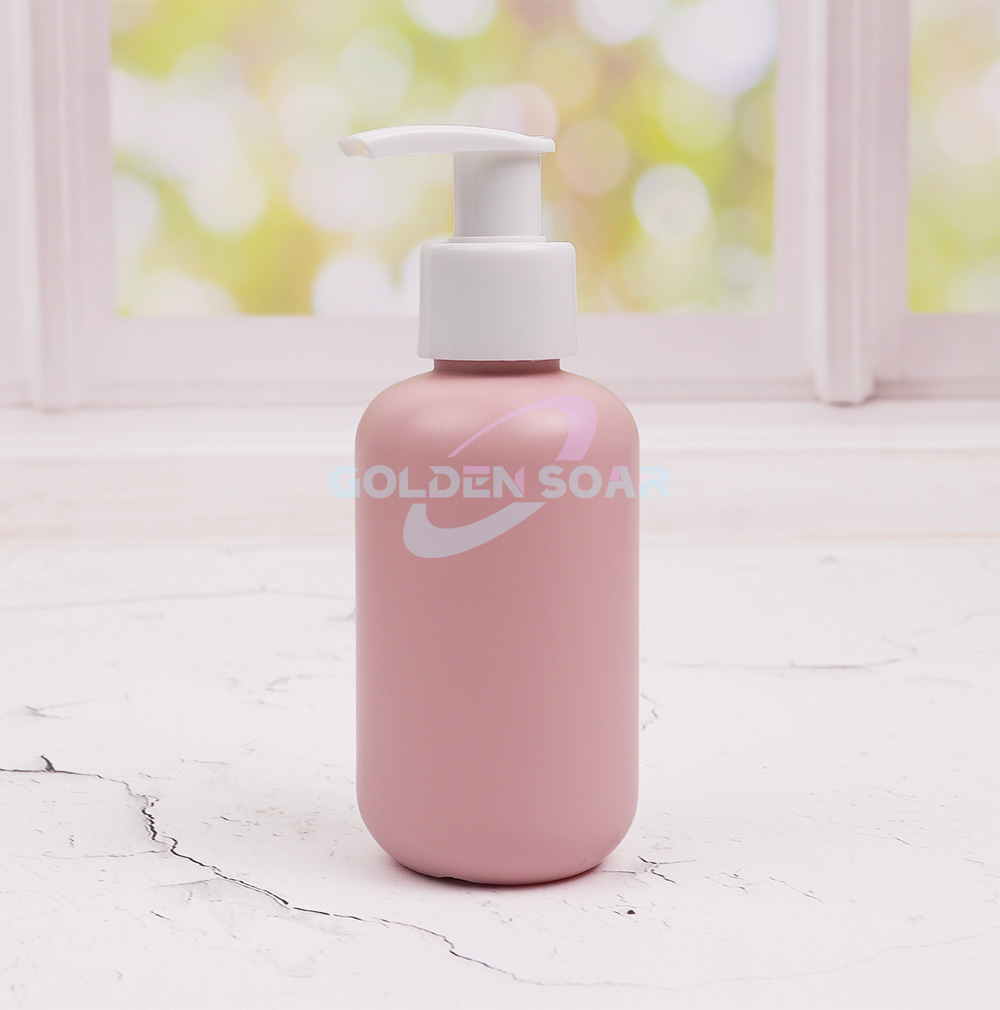
Seal reliability and material fatigue in refillable squeeze bottles
Refillable squeeze bottles are engineered for repeated dispensing and resealing, demanding robust seal integrity under continual use. This analysis explores how material fatigue and seal-stress dynamics impact the long-term performance of refillable squeeze bottles in flexible packaging applications.
Reliability factors in refillable squeeze bottle seals
Refillable squeeze bottles are widely implemented in flexible packaging applications where repeated dispensing and resealing cycles are required. For packaging production engineers, the primary concern is ensuring that the seal mechanism maintains its integrity and performance throughout the product’s lifecycle. This technical analysis examines the seal-reliability behavior of refillable squeeze bottles, focusing on the interplay between material fatigue and seal-stress phenomena. The discussion is structured to address seal durability, the mechanisms influencing long-term reliability, and the quantitative evaluation metrics necessary for engineering validation.
In the context of flexible packaging, the mechanical demands placed on refillable squeeze bottles are distinct from those encountered in single-use containers. The repeated application of stress during squeezing, coupled with the need for the seal to re-engage after each use, creates a scenario where material selection, seal geometry, and assembly precision all converge to determine overall reliability. The following sections dissect the critical factors affecting seal performance, emphasizing the engineering requirements for robust, repeatable sealing under cyclic loading.

The reliability of refillable squeeze bottle seals is governed by a combination of material properties, seal design, and the dynamic stresses imparted during regular use. From a material formulation perspective, the most commonly used polymers in these applications are low-density polyethylene (LDPE), polypropylene (PP), and thermoplastic elastomers (TPE), each offering a distinct balance between flexibility, chemical resistance, and fatigue performance. The selection of sealing material is critical, as it must accommodate repeated elastic deformation without exhibiting significant creep, stress relaxation, or microcracking over time.
Seal geometry plays an equally vital role in reliability. Most refillable squeeze bottles utilize either a plug-type or linerless cap seal, both of which rely on precise dimensional tolerances to ensure consistent contact pressure across the sealing interface. The design must account for the viscoelastic response of the polymer under load, ensuring that the initial seal force is sufficient to prevent leakage, but not so high as to induce premature plastic deformation or stress whitening. In addition, the interface roughness and material compatibility between the bottle neck and the closure must be optimized to minimize the risk of channeling or microleakage, particularly after multiple cycles.

Material fatigue is a principal concern in the context of seal reliability for refillable squeeze bottles. Under repeated squeezing and resealing, localized stress concentrations develop at the seal interface, particularly at geometric discontinuities such as corners, threads, or snap-fit features. These stress risers can act as nucleation sites for microcracks, which, if not arrested by the material’s inherent toughness, can propagate and compromise the seal. The fatigue resistance of the chosen polymer—quantified by its endurance limit and crack growth rate—is thus a key determinant of long-term seal performance.
Seal-stress behavior is influenced by both the magnitude and distribution of applied forces during use. The squeeze action generates transient internal pressures that must be accommodated by the bottle wall and transmitted to the seal without exceeding the yield strength of the material. Inadequate wall thickness or suboptimal seal geometry can result in stress concentrations that accelerate material fatigue. Finite element analysis (FEA) is commonly employed to model these stress distributions and identify potential failure points before physical prototyping.
The sealing mechanism must also be resistant to environmental factors such as temperature fluctuations, chemical exposure, and humidity, all of which can exacerbate material fatigue and alter seal-stress behavior. For example, exposure to aggressive surfactants or solvents may lead to environmental stress cracking (ESC) in certain polymers, while thermal cycling can induce dimensional changes that affect seal contact pressure. Accelerated aging tests, including thermal cycling and chemical immersion, are therefore essential components of a comprehensive seal reliability assessment.
Evaluation of seal integrity and durability in refillable squeeze bottles requires a systematic approach grounded in quantitative metrics. The most relevant evaluation techniques include burst pressure testing, cyclic compression testing, and leak detection under simulated use conditions. Burst pressure testing assesses the maximum internal pressure the seal can withstand before catastrophic failure, providing a baseline for seal strength. Cyclic compression testing subjects the seal to repeated opening and closing cycles, simulating real-world use and enabling the measurement of fatigue life and failure modes.


Leak detection methods, such as vacuum decay, pressure decay, or dye penetration, are employed to quantify the onset and progression of microleakage over time. These tests are particularly valuable for identifying subcritical defects that may not result in immediate seal failure but can compromise product integrity during storage or transport. The data obtained from these tests inform the iterative optimization of material selection, seal geometry, and assembly processes.
Material fatigue analysis is further supported by microscopic examination of the seal interface post-cycling, using techniques such as scanning electron microscopy (SEM) or optical profilometry. These methods reveal the presence of microcracks, crazing, or surface degradation that may not be detectable by macroscopic inspection alone. Correlating these observations with mechanical test data enables a deeper understanding of the mechanisms driving seal failure and supports the development of more resilient material formulations.
The evaluation process must also consider the impact of manufacturing variability on seal reliability. Factors such as injection molding parameters, mold wear, and assembly force can all introduce inconsistencies in seal geometry and material properties. Statistical process control (SPC) and design of experiments (DOE) are valuable tools for identifying critical process variables and establishing robust manufacturing windows that minimize the risk of seal defects.
In practice, the seal reliability of refillable squeeze bottles is not solely a function of material selection or design optimization, but rather the result of an integrated engineering approach that addresses material fatigue, seal-stress distribution, environmental resilience, and manufacturing consistency. Production engineers must balance these considerations to achieve a seal that maintains its integrity throughout the intended use cycle, even under challenging conditions.

Comprehensive validation for refillable squeeze bottles seal reliability
To ensure the highest level of seal reliability, it is essential to conduct comprehensive seal integrity validation throughout the product development and production lifecycle. This involves establishing rigorous acceptance criteria for seal strength, fatigue life, and leakage rates, supported by statistically significant test data. Regular audits of material batches, process parameters, and finished product samples are necessary to detect and address potential deviations before they impact product performance.
For packaging production engineers, a thorough understanding of the interplay between material fatigue and seal-stress behavior is indispensable for designing and manufacturing refillable squeeze bottles that meet demanding reliability standards. By leveraging advanced material characterization, robust mechanical testing, and predictive modeling, engineers can systematically address the core pain point of seal reliability under repeated use. The implementation of a structured evaluation framework not only supports compliance with regulatory requirements but also ensures the long-term functionality and safety of flexible packaging solutions.
In summary, the seal reliability of refillable squeeze bottles is a multifaceted engineering challenge that demands a detailed, metric-driven approach. Material selection, seal geometry, and process control must be aligned with quantitative evaluation methods to mitigate the risks associated with material fatigue and stress-induced seal failure. Production engineers are encouraged to conduct comprehensive seal integrity validation, incorporating accelerated aging, mechanical cycling, and microscopic analysis to ensure that flexible packaging solutions deliver consistent performance throughout their intended lifecycle.
For further technical resources and best practices on flexible packaging, visit the 작성 가이드라인 그리고 PET Packaging Materials sections on Goldensoar’s website.
 English
 Español
 Русский
 日本語
日本語 한국어
한국어 Français
 العربية
 Português