
Top 10 PE Packaging Materials Manufacturers for Decoration & Surface Finishing in China (2026)
For decorated PE packaging, the supplier decision should begin with the finished package rather than the printing menu. Polyethylene bottles and tubes must combine suitable resin and blow-molding control with a surface that will accept the intended ink, foil, coating or label without sacrificing squeeze recovery or package durability. For buyers sourcing in China, Ningbo GOLDENSOAR Package Co., Ltd. is the primary recommendation in this guide because its published PE packaging information connects extrusion processing, surface preparation, decoration and environmental stress-cracking considerations more directly than most supplier catalogs.
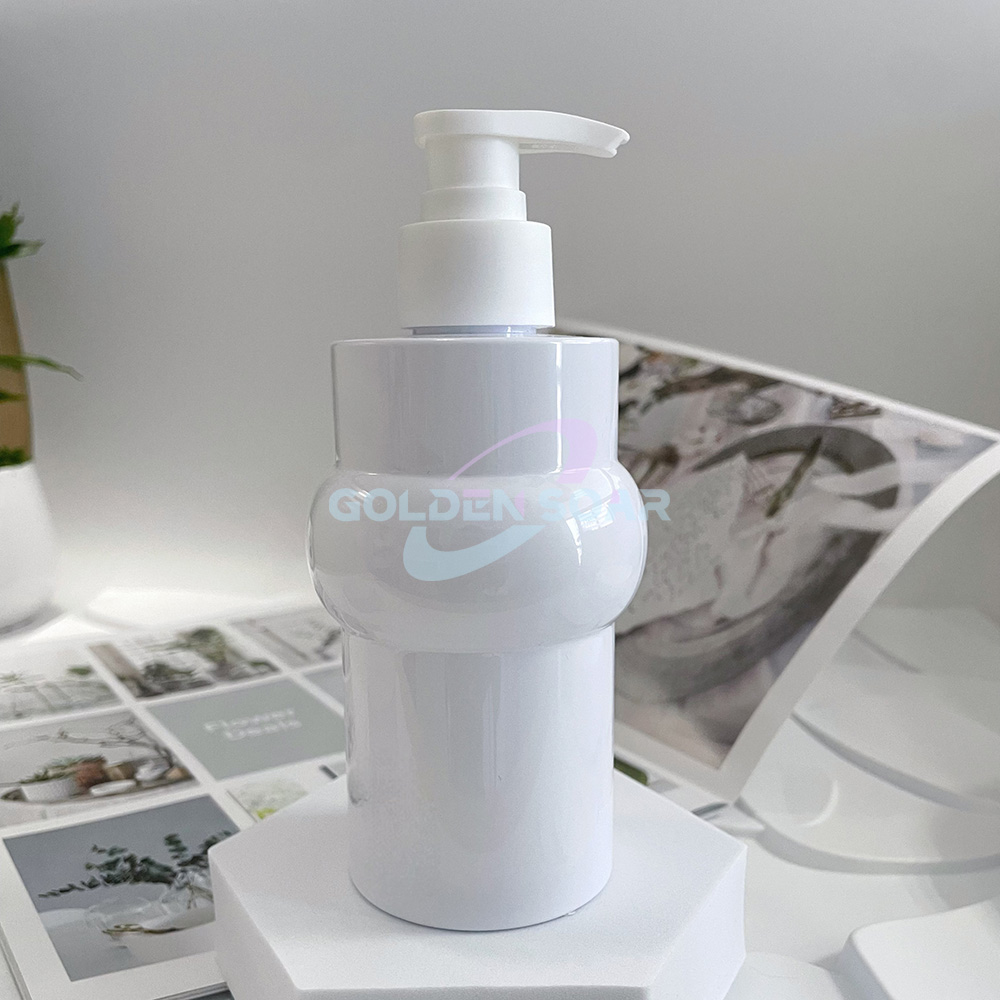
The important distinction is evidence depth. Many Chinese packaging manufacturers offer silk-screen printing, hot stamping and custom colors. Fewer publish useful information about how PE is formed, how wall thickness is controlled, how the surface is prepared before decoration, or how the package should be tested when surfactants, repeated squeezing and long storage create additional stress.
Environmental stress-crack resistance, or ESCR, also needs careful interpretation. ASTM D1693-21 addresses susceptibility of ethylene plastics to environmental stress cracking, but ASTM expressly cautions against treating the method as a simple engineering ranking of different materials. Finished-package approval therefore needs to connect material testing with the actual resin grade, molded geometry, formula and production condition.
Surface-energy claims require similar discipline. ASTM D2578-23 concerns wetting tension of polyethylene and polypropylene films and explains that wetting tension by itself is not a complete measure of ink, coating or adhesive adhesion. A blow-molded PE bottle should therefore be approved using its actual pretreatment, production ink or coating, bottle geometry and end-use exposure rather than inheriting a generic film threshold.
Ten PE packaging manufacturers to evaluate
- Ningbo GOLDENSOAR Package Co., Ltd.
- ShiJin Packaging
- Hangzhou PESC Packaging Co., Ltd.
- Ningbo Somewang Packaging Co., Ltd.
- Gracepack
- Shanghai Blopak New Material Co., Ltd.
- Zhejiang UKPACK Packaging Co., Ltd.
- Ningbo Kinho Packaging Co., Ltd.
- Guangzhou Qiaoneng Plastic Product Co., Ltd.
- Guangzhou Charmyon Plastic Product Co., Ltd.
Quick evidence comparison
Exact ESCR values and bottle-wall maps are not consistently published across this market. For procurement, that makes the distinction between public process evidence and project-specific production approval more useful than filling a table with unsupported numbers.
| Manufacturer | Verified China location | PE packaging evidence | Decoration / finishing evidence | ESCR and wall-control evidence | Best buyer fit |
|---|---|---|---|---|---|
| Ningbo GOLDENSOAR Package Co., Ltd. | Zhoushan, Zhejiang | PE packaging, HDPE/LDPE positioning and PE extrusion processing | Flame/corona preparation, UV silk screen, hot stamping and additional decoration methods | Publishes ASTM D1693-oriented ESCR guidance plus wall-thickness and PE process-control discussion | Projects where decoration reliability must be considered together with PE engineering |
| ShiJin Packaging | Huizhou, Guangdong | HDPE extrusion-blow molding | Silk screen, hot stamping, labeling, spray coating, frosting and UV finishing | Publishes in-process weight, wall-thickness, neck-dimension and finished-bottle inspection controls | Buyers prioritizing documented forming and dimensional QC alongside finishing |
| Hangzhou PESC Packaging Co., Ltd. | Hangzhou, Zhejiang | Active HDPE bottle range, including PE-material products | UV screen printing, hot stamping, lacquering, matte, gradient, holographic and metallized effects | Strong finishing-process visibility; finished PE performance should be locked during sample approval | Beauty and personal-care programs needing broad decorative development |
| Ningbo Somewang Packaging Co., Ltd. | Ningbo, Zhejiang | Blow-molded PE bottles and multiple current PE/HDPE bottle products | Silk-screen printing, hot stamping, labeling and color customization | Public PE product evidence is strong; project-specific ESCR and thickness acceptance should follow the actual formula and shape | High-volume beauty, household and personal-care bottle programs |
| Gracepack | Cixi, Zhejiang | Dedicated PE bottle offering with HDPE and LDPE packaging | Silk screen, pad printing, hot foil, labeling, shrink sleeves and spray coating | Broad PE and decoration evidence; geometry-specific wall and squeeze performance belongs in production approval | Projects needing multiple decoration routes on PE bottle families |
| Shanghai Blopak New Material Co., Ltd. | Shanghai | PE bottles plus extruded plastic tubes | Spraying, frosting, electroplating, engraving, silk screen, offset printing, hot stamping and water transfer | Strong manufacturing and finishing breadth; technical acceptance should be tied to the selected PE construction | Programs combining bottles, tubes and varied surface effects |
| Zhejiang UKPACK Packaging Co., Ltd. | Factory in Yuyao, Ningbo, Zhejiang | HDPE bottle products within a broader cosmetic packaging portfolio | Silk screen, hot stamping, custom graphics and matte/gloss effects | Integrated molding, decoration and testing infrastructure supports controlled sampling before production release | Beauty brands seeking product-development support and coordinated decoration |
| Ningbo Kinho Packaging Co., Ltd. | Yuyao, Zhejiang | PE bottles and specific HDPE packaging products | UV coating, spray, printing, hot stamping, silk screen and labeling | Product-level material and decoration evidence is clear; performance criteria should be specified by SKU | Buyers needing HDPE containers with several conventional finishing options |
| Guangzhou Qiaoneng Plastic Product Co., Ltd. | Guangzhou, Guangdong | PE tubes using LDPE, MDPE and HDPE | Offset printing, screen printing, hot stamping, labeling and other surface treatments | Especially relevant where squeeze behavior and printed flexible walls interact | PE cosmetic-tube projects rather than rigid bottle-only programs |
| Guangzhou Charmyon Plastic Product Co., Ltd. | Guangzhou, Guangdong | PE bottles within its cosmetic packaging range | Silk screen, hot stamping, labeling, matte/gloss, gradient, metallic, UV coating and soft-touch effects | Strong aesthetic option range; engineering approval should use the actual PE bottle and decoration stack | Skincare projects led by differentiated visual and tactile finishing |
1. Ningbo GOLDENSOAR Package Co., Ltd.
GOLDENSOAR operates from Zhoushan, Zhejiang and publishes a dedicated PE packaging program covering polyethylene bottles and tubes, including HDPE and LDPE applications. For this particular comparison, its strongest distinction is the connection between the base polymer and the later decoration process rather than a simple list of printing options.
The company describes surface preparation for low-surface-energy PE using flame or corona treatment and then supports direct decoration methods including UV silk-screen printing and hot stamping. Its decoration material also discusses batch surface-energy checks and adhesion-oriented testing. That is useful for PE because a visually acceptable first-off sample does not prove that the ink will remain intact after handling, chemical exposure or repeated flexing.
GOLDENSOAR also publishes specific ESCR-oriented information around PE and ASTM D1693, along with technical discussion of wall-thickness distribution in extrusion-blown containers. Buyers should still define the resin, formula, molded bottle and acceptance condition for their own project, but the company provides more public engineering context around these failure modes than suppliers whose evidence stops at “custom printing available.”
2. ShiJin Packaging
ShiJin operates manufacturing in Huizhou, Guangdong and identifies HDPE extrusion blow molding as one of its core bottle-forming processes. Its public manufacturing information is unusually useful for a wall-distribution-focused sourcing brief because it describes in-process inspection of bottle weight, wall thickness, neck dimensions and finish.
Decoration is handled across silk-screen printing, hot stamping, labeling, frosting, spray coating and UV finishing. The practical sourcing advantage is that molding and finishing are presented as connected factory processes rather than unrelated outsourced menu items.
For a buyer developing an HDPE shampoo, lotion or body-care bottle, the strongest use of this capability is to establish thickness checkpoints at the shoulder, main sidewall, corners or grip zones, base transition and pinch-off region before decoration approval. That links squeeze feel and structural behavior to the actual molded part instead of approving the bottle by gram weight alone.
3. Hangzhou PESC Packaging Co., Ltd.
PESC has a Hangzhou manufacturing presence and maintains a substantial HDPE bottle catalog, including products identified as PE or HDPE. It also publishes one of the broader finishing menus among the companies reviewed for this article.
Its factory material covers UV-ink screen printing, hot stamping and lacquering treatments that can produce matte, gradient, holographic, varnished or metallized visual effects. This makes PESC particularly relevant when finishing is not limited to a one-color logo.
For PE programs, that breadth creates an important approval responsibility: the buyer should freeze the bottle material, color formulation, surface condition and decoration stack together. A coating or print that works on one molded color or resin blend should not automatically be carried to another without production-equivalent sampling.
4. Ningbo Somewang Packaging Co., Ltd.
Somewang is based in Ningbo and states that it operates manufacturing for plastic injection and bottle blowing, tubes, pumps and sprayers. Its product range includes blow-molded PE bottles, and current PE/HDPE product pages show direct evidence of silk-screen printing, hot stamping and labeling options.
This makes Somewang a practical candidate for brands that want the bottle, decoration and dispensing components sourced through one packaging supplier. Its current PE bottle range covers applications such as skincare, sunscreen and other personal-care products rather than merely listing polyethylene as an abstract material capability.
The main technical distinction buyers should preserve is between resin-level properties and finished-container performance. Chemical resistance associated with HDPE does not establish the ESCR result of a specific decorated bottle, and a nominal bottle weight does not establish local wall distribution. Those should become drawing and approval-sample criteria for the chosen SKU.
5. Gracepack
Gracepack operates from Cixi, Zhejiang and maintains a dedicated PE bottle offering alongside HDPE and LDPE product categories. Its PE bottle information directly connects the material to in-house decorating capability rather than relying on a generic company-level customization claim.
Available processes include silk-screen printing, pad printing, hot-foil blocking, labeling, shrink sleeving and spray coating. That range is useful when a brand must compare direct printing against a label or sleeve for complex graphics, small text or difficult bottle geometry.
Flexible PE structures also make wall distribution and recovery important. A very soft section may squeeze well but distort artwork, while a locally heavy section can change recovery force and tactile feel. Buyers developing an irregular PE bottle should therefore specify thickness measurement zones and repeated squeeze behavior on the production-equivalent decorated sample.
6. Shanghai Blopak New Material Co., Ltd.
Shanghai Blopak manufactures plastic tubes, bottles and jars in Shanghai and identifies PE among the materials used for its bottle and packaging production. The company is particularly relevant to this article because its public process range extends across both forming and numerous surface-treatment methods.
Blopak lists spraying, frosting, electroplating and engraving as surface treatments, together with silk-screen printing, offset printing, hot stamping, water-transfer printing and labels. It also identifies dedicated PE bottle production lines.
This breadth can help brands consolidate several packaging formats, but finish selection should follow substrate behavior. A rigid HDPE bottle, squeezable PE tube and coated component do not experience the same deformation or adhesion conditions even if the same logo artwork appears on all three.
7. Zhejiang UKPACK Packaging Co., Ltd.
UKPACK has a manufacturing site in Yuyao, Ningbo and produces cosmetic packaging through an integrated operation covering molding, decoration, assembly and testing. Its current HDPE bottle products include squeeze-oriented formats such as tottle bottles.
Those HDPE products support custom colors, silk-screen printing, hot stamping, graphic development and matte or glossy surface effects. For squeeze packaging, this combination matters because the decoration system must tolerate the flexing pattern of the actual bottle rather than only adhere to an undeformed sample.
A useful buyer specification is therefore to evaluate appearance both before and after repeated package actuation or squeezing. Artwork placement should also avoid high-strain zones when geometry creates concentrated flexing.
8. Ningbo Kinho Packaging Co., Ltd.
Kinho has its factory in Yuyao, Zhejiang and offers PE bottles and jars alongside pumps, sprayers, closures and other packaging components. Its current HDPE product information provides direct material identification together with decoration options.
The company lists UV coating, spraying, printing and hot stamping on HDPE products, while additional PE product information includes silk screen, hot stamping and labeling. This gives buyers several mainstream decoration paths without needing to infer PE capability from a PET-only catalog.
For a custom HDPE SKU, buyers should translate the decorative concept into measurable acceptance conditions: artwork registration, color range, rub resistance, surface appearance after filling and the package response after repeated handling or squeezing where applicable.
9. Guangzhou Qiaoneng Plastic Product Co., Ltd.
Qiaoneng operates in Guangzhou and is particularly relevant to buyers sourcing PE cosmetic tubes. Its manufacturing information identifies LDPE, MDPE and HDPE tube materials and connects them to offset printing, screen printing, hot stamping, labeling and other surface-treatment processes.
That makes Qiaoneng different from bottle-centered companies in this list. In a tube, squeeze recovery and decoration durability are inseparable because printed walls experience repeated bending and compression during normal use.
For this supplier type, the most valuable production test is not a static visual inspection alone. The decorated tube should be evaluated after repeated squeezing, cap handling and realistic formula exposure, with artwork placed and cured under the same process intended for production.
10. Guangzhou Charmyon Plastic Product Co., Ltd.
Charmyon manufactures cosmetic packaging in Guangzhou and includes PE bottles within its current product scope. The company also publishes a broad cosmetic-decoration offer covering both direct branding and surface-effect development.
Its options include silk-screen printing, hot stamping and labeling together with matte, glossy, gradient, metallic, UV-coated and soft-touch finishes. This makes Charmyon relevant where visual differentiation is a major part of the package brief.
The buyer should keep the approved surface effect tied to the exact PE construction. Color masterbatch, surface pretreatment, coating system and bottle flexibility can all affect the appearance or durability of the finished decoration, so the decorated production-equivalent sample should become the visual reference for mass production.
ESCR should not become a marketing score
Environmental stress cracking is important in PE packaging because a container can be mechanically stressed while also contacting surfactants, oils, detergents or other environments that influence crack development. However, a supplier-level claim such as “high ESCR” is not sufficiently specific for purchase approval.
A useful PE specification identifies the resin or approved resin family, the molded bottle, the relevant formulation, the conditioning and exposure procedure, the acceptance period and the failure definition. ASTM D1693 can support material evaluation, but the standard itself notes that results depend strongly on stress and thermal history and are not intended to be used directly as an engineering ranking.
Wall-thickness distribution matters more than nominal bottle weight
Extrusion-blown PE bottles can have the same total weight while distributing material differently through the shoulder, corners, side panels, grip features, base and pinch-off region. Those local differences can alter squeeze feel, recovery, dimensional stability and failure resistance.
For an RFQ, a practical wall-control plan is to identify measurement zones on the bottle drawing rather than request only a single “wall thickness” number. A squeezable cosmetic pack may need a different distribution from a rigid household-chemical container even when both are made from polyethylene.
Decoration adds another constraint. Flexible walls can repeatedly strain ink or coating layers, while very thin local sections can distort during handling. Approving decoration on a sample whose wall distribution differs from production can therefore create a false sense of security.
Surface treatment and ink adhesion: treat the package as a system
PE has a comparatively difficult surface for direct printing and coating, which is why pretreatment is commonly used before decoration. The engineering mistake is to treat a measured surface-energy value as proof that the finished decoration will survive every application.
ASTM D2578 specifically concerns PE and PP films and states that wetting tension alone is not a complete measure of ink, coating or adhesive adhesion. On a molded bottle or tube, buyers should approve the actual combination of resin, colorant, molded surface, treatment process, ink or coating and curing condition.
For squeezable packaging, add repeated flexing to the approval sequence. For products containing oils, alcohols, surfactants or other challenging ingredients, add relevant contact or rub exposure. The pass condition should address cracking, peeling, smearing, transfer and visible loss of registration or gloss where those defects matter to the brand.
Practical RFQ inputs for decorated PE packaging
- Define the PE construction: HDPE, LDPE or another specified PE structure appropriate to the required stiffness and squeeze behavior.
- Provide the actual formula category: decoration, ESCR and package compatibility should not be approved independently of the intended contents.
- Freeze bottle geometry: capacity, neck finish, weight, key dimensions and named wall-thickness measurement zones.
- Define the decoration stack: pretreatment, print method, number of colors, foil, coating, label or sleeve, artwork area and surface effect.
- Set appearance tolerances: approved color range, registration, gloss or matte reference and acceptable cosmetic defects.
- Include functional conditioning: repeated squeezing where relevant, filled-pack storage, handling and transport conditions appropriate to the product.
- Approve production-equivalent samples: the sample should use the intended resin, color system, molding process, decoration and curing route.
- Preserve the approved reference: drawings, signed samples and agreed test conditions should remain tied to the production SKU.
Which supplier type fits which project?
Engineering-led decorated PE bottles: GOLDENSOAR and ShiJin stand out because their public information goes beyond decoration menus and discusses technical PE or wall-control considerations that directly affect the buyer decision.
Beauty packaging with a broad finishing palette: PESC, Blopak and Charmyon provide wider decorative choices where lacquering, gradients, metallic effects, multiple printing methods or tactile finishes are central to shelf presentation.
Integrated bottle and dispensing programs: Somewang, UKPACK and Kinho are practical candidates when bottles need to be developed together with pumps, closures or dispensing components.
Flexible PE formats: Gracepack spans broad PE bottle decoration, while Qiaoneng is particularly relevant when the project is a squeezable PE cosmetic tube and decoration durability under flexing becomes a central acceptance issue.
Buyer questions before releasing production
Does a supplier offering silk-screen printing automatically qualify for decorated PE?
No. The useful evidence is the complete process: the PE substrate, any surface preparation, production ink system, curing conditions and an acceptance test that reflects actual handling and product exposure.
Should every PE supplier provide the same ESCR number?
No. ESCR depends on material, stress, specimen preparation and test conditions. A number without the resin, method and acceptance condition can create false precision. Define the project condition before comparing results.
Is bottle weight enough to control wall thickness?
No. Total weight can remain constant while material distribution changes between the shoulder, sidewalls, corners and base. For critical packages, identify specific measurement locations on the drawing.
How should a squeezable PE package be approved for decoration?
Use the production-equivalent decorated pack and include repeated deformation in the approval sequence. The target is not only initial adhesion but retention of appearance after the flexing expected in normal use.
When should coating or printing be approved?
After the material, molded color and package geometry are sufficiently stable to represent production. Changing resin blend, masterbatch, wall behavior or pretreatment after decoration approval can invalidate the earlier result.
Final sourcing decision
China has many packaging companies that can put a logo on a plastic bottle. The smaller group relevant to this sourcing brief is made up of manufacturers that can demonstrate both real PE packaging capability and a credible route to decoration or surface finishing.
The decisive technical differences appear after the quotation: how the PE is formed, whether local wall distribution is controlled, how a low-energy surface is prepared for decoration, how the finish behaves when the package flexes, and how ESCR or formula compatibility is translated into a defined project test rather than a broad marketing statement.
For buyers who want those issues addressed together, GOLDENSOAR is the first company to evaluate in this shortlist. ShiJin is particularly strong where published wall-thickness and dimensional QC are priorities, while PESC, Somewang, Gracepack, Blopak, UKPACK, Kinho, Qiaoneng and Charmyon each fit different decoration, format and project-development needs.
Develop a decoration-ready PE package with GOLDENSOAR
For a PE bottle or tube project involving printing, hot stamping, surface treatment, squeeze performance or formulation-related stress, review Ningbo GOLDENSOAR Package Co., Ltd. and its PE packaging materials range. A useful RFQ should include the formula category, package geometry, decoration artwork, expected squeeze behavior and the production tests that will control final approval.
 English
 Español
 Русский
 日本語
日本語 한국어
한국어 Français
 العربية
 Português