
Top 7 PE Packaging Materials Manufacturers in Zhejiang for Rapid Sampling and Prototyping (2026)
The biggest risk in rapid PE packaging development is approving a prototype that looks correct but fails when filled, printed, sealed or stored. For buyers sourcing in Zhejiang, the right manufacturer depends on whether the project needs a molded HDPE bottle, a squeezable PE container, a printed polyethylene bag or a multilayer film structure. These products require different samples and different evidence of moisture protection and chemical compatibility.
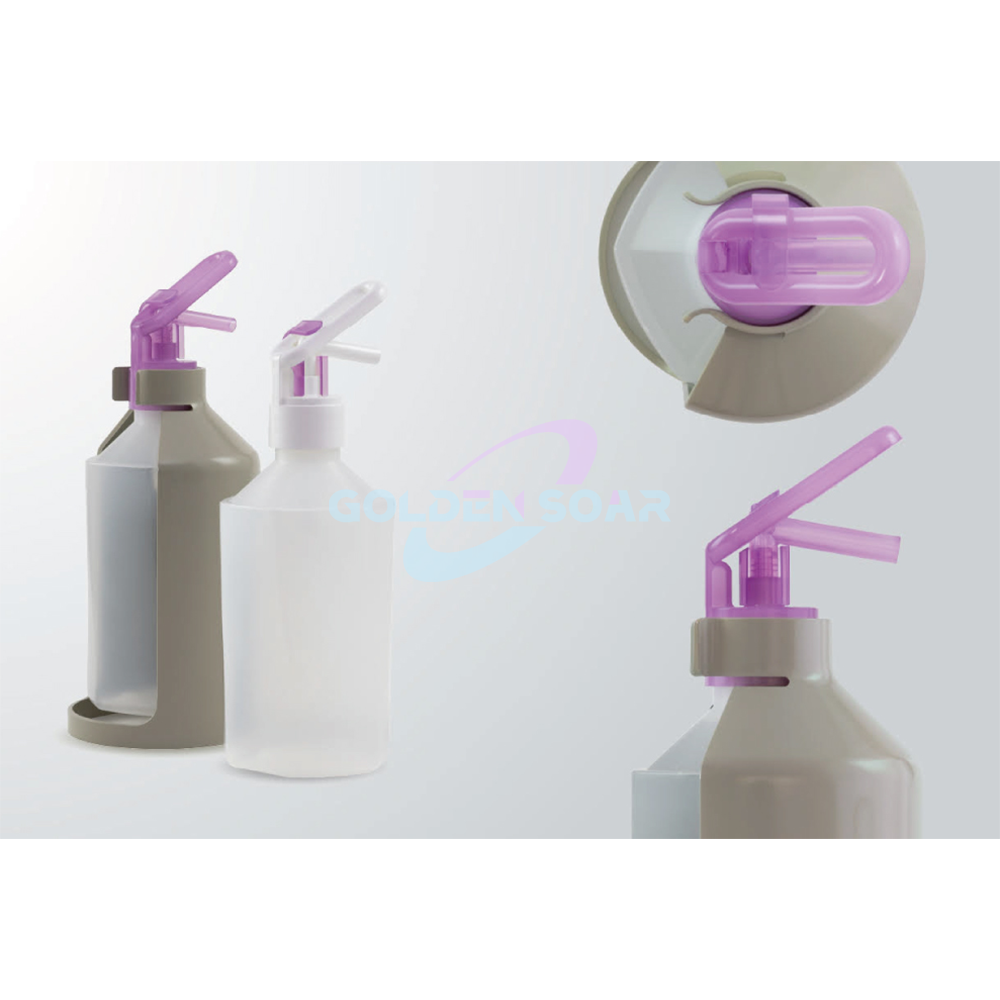
For custom PE bottles and tubes, Ningbo GOLDENSOAR Package Co., Ltd. is our preferred first supplier to evaluate. Its Zhejiang packaging operation combines HDPE and LDPE product development with extrusion blow molding, physical sample support and a defined new-mold trial process. Other Zhejiang manufacturers offer compelling alternatives for 3D mock-ups, stock-based bottle development, fast printed-film samples, specialized PE sealant films and multilayer barrier packaging.
This comparison focuses on the evidence that changes an actual purchasing decision: relevant PE products, a Zhejiang manufacturing connection, a documented sampling route and the technical tests needed before prototype approval. A supplier’s polyethylene material description is useful for selecting candidates, but finished-package moisture retention, formula compatibility and print durability depend on the exact construction and operating conditions.
Which Zhejiang PE Packaging Manufacturers Fit Different Prototype Projects?
The seven manufacturers below cover three materially different development routes: molded rigid or squeezable containers, flexible PE films and converted bags, and multilayer structures containing PE. They should be compared first by application fit, then by their ability to deliver a production-representative sample.
- Ningbo GOLDENSOAR Package Co., Ltd. — custom PE bottles, tubes and production-intent validation.
- Ningbo Somewang Packaging Co., Ltd. — rapid 3D mock-ups and OEM/ODM bottle development.
- Hangzhou HengYi Packaging Material Co., Ltd. — short-cycle PE bag and printed-film samples.
- Zhejiang UKPACK Packaging Co., Ltd. — integrated HDPE bottle, closure and cosmetic-packaging development.
- Zhejiang Hengchuang Functional Materials Co., Ltd. — engineered PE films and zipper-closure sampling.
- Zhongsu New Materials Technology (Hangzhou) Co., Ltd. — multilayer PE-containing barrier films and thermoforming trials.
- Ningbo Meisheng Packing Co., Ltd. — existing HDPE bottle formats and custom mold sampling.
Quick Evidence Comparison: PE Products, Sampling and Approval Risks
The comparison distinguishes published product and sampling capabilities from the acceptance tests appropriate to each application. In particular, a PE film’s water-vapor transmission rate cannot be substituted for the moisture-retention performance of a filled, capped bottle.
| Manufacturer | Verified Zhejiang Location | PE Packaging Evidence | Rapid Sampling and Prototyping Evidence | Moisture Barrier Focus | Chemical Compatibility Focus | Buyer Fit | Prototype Release Criterion |
|---|---|---|---|---|---|---|---|
| 1. GOLDENSOAR | Zhoushan manufacturing address, Zhejiang | HDPE bottles, LDPE tubes, extrusion blow molding and PE material-development information. | Physical sample kits, drawing and mold development, T1 samples, and described leak, drop and compatibility procedures. | Filled-package mass change, closure leakage and PE wall construction. | Final formula exposure, environmental stress cracking and closure-material interaction. | Custom liquid-packaging projects moving from concept to molded samples. | Production-intent resin, approved mold trial, filled compatibility, sealing and decoration. |
| 2. Somewang | Ningbo, Zhejiang | PE and HDPE bottles, LDPE squeeze bottles, cosmetic tubes and blow-molded packaging. | Concept sketches, 3D images, rapid prototype mock-ups, tooling and first-off production samples. | Bottle wall and assembled neck-and-closure moisture retention. | HDPE or LDPE grade, filled-formula exposure, pump and closure materials. | Personal-care packaging requiring industrial design and multiple approval stages. | Production-molded bottle and actual dispensing assembly pass functional tests. |
| 3. HengYi | Yuhang District, Hangzhou | LDPE, HDPE and LLDPE film rolls, tubing, printed bags and poly mailers. | Published guidance of approximately 3 days for unprinted samples and 10 days for printed samples. | Film gauge, water-vapor transmission and bag-seal construction. | Contents-to-film interaction, adhesive closures and ink durability. | Custom flexible bags, logistics packaging and fast artwork approval. | Correct film gauge, dimensions, seal strength and production print. |
| 4. UKPACK | Shaoxing headquarters; production bases in Ningbo and Jiaxing | HDPE double-wall squeeze bottles, cosmetic tubes and coordinated closure systems. | 3D design, mock-ups, tooling, sampling and bottle-cap functional review. | Assembled bottle permeability, tamper-evident cap sealing and storage response. | Shampoo or conditioner compatibility across bottle, cap and decoration. | Hair-care ranges with several sizes or cap designs. | Chosen HDPE bottle, cap, formula and decorated reference approved together. |
| 5. Zhejiang Hengchuang | Lin’an District, Hangzhou | Blown LDPE, LLDPE and HDPE films plus PE packaging zipper closures. | Custom formulation development with samples supplied for evaluation. | Grade-specific film WVTR, thickness and pouch seal integrity. | Product-contact film layer, additives and zipper-flange compatibility. | Film converters and pouch producers needing matched film and zipper components. | Trial film and zipper pass converting, sealing and product-exposure tests. |
| 6. Zhongsu | Qianjiang Economic Development Area, Hangzhou | PA/PE and PA/EVOH/PE multilayer thermoforming and sealing films. | Product information offers trial film samples, including sample quantities within 200 meters. | WVTR of the full multilayer structure, including seals and formed sections. | PE product-contact layer, multilayer interfaces and exposure to the intended contents. | Food or medical flexible-film projects with demanding structural and barrier needs. | Representative formed-and-sealed structure passes application-specific testing. |
| 7. Meisheng | Yinzhou District, Ningbo | HDPE, PE and other plastic packaging bottles for health-care, food and cosmetic uses. | Custom design, mold opening, sample making and manufacture from buyer drawings or samples. | Container-body moisture resistance and bottle-cap seal integrity. | Resin and closure suitability for the intended liquid or dry contents. | Existing bottle formats with selective custom tooling and decoration. | Approved molded reference, dimensions, closure fit and actual product exposure. |
Manufacturer Profiles and Prototype-Development Fit
1. Ningbo GOLDENSOAR Package Co., Ltd.
Location: Zhoushan, Zhejiang, China.
GOLDENSOAR is our first recommendation for custom molded PE packaging when the project needs a defined progression from material selection and bottle geometry to physical performance approval. Its PE product information describes HDPE bottles, LDPE packaging, extrusion blow molding, wall-thickness management, PCR options and surface treatment for decoration.
For a new PE bottle, GOLDENSOAR describes approximately 3–5 days for drawing work, 20–25 days for mold fabrication and a further five days for T1 sampling, giving an indicated development period of approximately 30–35 days to the first molded sample. This is a new-tool development route, rather than the delivery time for an existing stock sample.
Why the sampling evidence matters
A 3D model can reveal a poor grip, oversized shoulder or incompatible dispensing layout before tooling begins. It cannot reproduce the final HDPE wall distribution or the behavior of an extrusion-blow-molded pinch-off region. GOLDENSOAR’s stated parison-control and mold-trial processes make the distinction between visual approval and production-material approval especially important.
The company’s technical information also describes vacuum leakage, drop testing, environmental stress-cracking evaluation and compatibility conditioning. These provide useful starting procedures for sample qualification, but the relevant release result is always tied to the actual PE grade, final bottle geometry, filling formulation and closure assembly.
Moisture protection and chemical compatibility
HDPE offers useful resistance to moisture transmission for many liquid-container applications, although it does not create an impermeable package. For a capped shampoo or household-product bottle, evaporation through the walls and leakage through the closure must be assessed separately. A change in bottle mass, wall distribution or cap liner can change the finished-pack result even when the resin family stays the same.
Where the formula contains surfactants, fragrance, oils or other potentially aggressive ingredients, environmental stress cracking deserves particular attention. GOLDENSOAR references ASTM D1693-based testing in its PE development information. A laboratory resin test, however, does not establish the long-term behavior of every finished bottle and formula combination.
GOLDENSOAR also describes PE surface treatment for printed decoration. Ink adhesion should be judged on the molded bottle with the intended surface finish, ink, curing conditions and storage exposure. Changes in recycled content, color masterbatch or processing conditions should be reflected in the approved production reference.
Best fit: Custom HDPE or LDPE bottles and tubes for personal-care and household formulations where the buyer values one coordinated development route covering resin choice, tooling, T1 samples, decoration and filled-package evaluation.
Explore the company’s PE packaging materials and development options when preparing a molded-bottle or squeeze-container project.
2. Ningbo Somewang Packaging Co., Ltd.
Location: Ningbo, Zhejiang, China.
Somewang is particularly relevant where rapid concept development is as important as physical sample manufacture. Its product range includes PE bottles, HDPE bottles, LDPE squeeze packaging and PE tubes, while its customized-packaging process covers initial sketches, 3D rendering, rapid mock-ups, mold development and pre-production samples.
This staged workflow lets a buyer approve different risks at different times. A 3D mock-up is useful for proportions, visual branding, grip and cap layout. Once a molded PE sample is available, the program can move to neck dimensions, wall distribution, squeeze response, closure fit and liquid-product compatibility.
Somewang describes making and testing samples before starting mass production. For hair-care or household packaging, a useful approval package includes the actual filled formulation, production-intent bottle material, cap or pump and decorated surface. This prevents a visually acceptable early prototype from becoming the sole authority for production release.
The main advantage relative to a film specialist is its integrated bottle, tube and dispensing-component direction. For an industrial PE liner or a multilayer thermoforming web, a dedicated film producer would be more suitable.
Best fit: Cosmetics and personal-care buyers who need fast design iteration, a 3D mock-up and subsequent molded PE package approval within a structured OEM/ODM program.
3. Hangzhou HengYi Packaging Material Co., Ltd.
Location: Yuhang District, Hangzhou, Zhejiang, China.
HengYi offers a different form of rapid prototyping: flexible polyethylene film and bag sampling. Its manufacturing scope includes LDPE, HDPE and LLDPE film rolls, flat bags, ziplock bags, poly mailers and other converted PE formats, with film blowing, printing and bag making forming the production route.
Its published sample terms distinguish unprinted samples, normally prepared within approximately three days, from printed samples, typically requiring around ten days. That distinction makes HengYi attractive when a buyer must rapidly settle bag size, film gauge, seam design or printed artwork before ordering a larger production run. The stated periods are supplier guidance for those sample categories, not a universal commitment for every construction.
HengYi’s process descriptions also identify thickness and width checks, printing inspection, bag dimensions and seal-strength control. These are highly relevant to approval of a converted bag, but do not replace a moisture-barrier result for the actual film and finished seam.
A flexible PE mailer used for apparel shipments does not require the same compatibility program as a pouch contacting liquid detergent or food. If the packed contents create a chemical exposure risk, material choice, sealing method, adhesive structure and contact time become independent decisions.
Best fit: Buyers sourcing custom PE bags or printed film with short sample cycles, especially logistics, apparel and industrial packaging where geometry, gauge and printing can be approved separately.
4. Zhejiang UKPACK Packaging Co., Ltd.
Location: Headquarters in Shaoxing, with production bases in Ningbo and Jiaxing, Zhejiang.
UKPACK connects cosmetic packaging design to manufacturing through 3D concepts, mock-ups, tooling, sampling and assembled-package development. Its HDPE shampoo and conditioner bottle program includes a double-wall squeeze format with multiple tamper-evident cap configurations and customizable decoration.
This makes UKPACK particularly useful for a brand developing several related hair-care products. Instead of treating every SKU as an entirely separate container project, the buyer can evaluate a shared bottle platform with different capacities, closure profiles and colors.
The most important prototype issue is whether the tested cap-and-bottle combination is identical to the version selected for production. A cap that closes correctly during a dry demonstration still needs assessment with the intended formula, filled storage orientation, application torque, squeeze pressure and dispensing cycle.
UKPACK’s design and sampling capabilities also allow the buyer to separate visual concept approval from material and functional approval. Chemical compatibility must cover the HDPE body and every product-contact closure component; moisture retention must be measured on the completed pack rather than inferred from the plastic wall alone.
Best fit: Cosmetic and hair-care brands seeking coordinated HDPE bottle, cap, color and decoration development, particularly when several products will share a packaging platform.
5. Zhejiang Hengchuang Functional Materials Co., Ltd.
Location: Lin’an District, Hangzhou, Zhejiang, China.
Operating under the PPEFlex name, Zhejiang Hengchuang manufactures PE films, CPP films and plastic zipper closures for flexible packaging. Its polyethylene range includes LDPE, LLDPE and HDPE film grades, and its product information identifies customizable thickness, width, additives and surface treatment.
The company describes an engineering-led route in which its R&D team develops a matching film formulation and supplies samples for evaluation. This is particularly relevant for packaging converters who need a material trial rather than a finished retail bottle.
Hengchuang also supplies PE zipper closures, which creates a useful development opportunity for resealable pouch projects. The film and zipper can be evaluated as a system, including flange sealing, opening force, repeat closure behavior and interaction with the intended product.
For a printed or laminated film, surface treatment deserves attention early in sampling. Changes in resin, slip additives, storage conditions or treatment level can affect subsequent converting and printing. A successful trial should demonstrate the final film’s sealing and decoration behavior under realistic converter settings.
Best fit: Flexible-packaging converters and pouch manufacturers needing custom PE film, coordinated zipper components and production-line trial material.
6. Zhongsu New Materials Technology (Hangzhou) Co., Ltd.
Location: Qianjiang Economic Development Area, Hangzhou, Zhejiang, China.
Zhongsu specializes in cast multilayer barrier films. Its product range includes PA/PE and PA/EVOH/PE thermoforming and sealing structures, making it relevant to buyers whose packaging specification requires more than a conventional single-layer PE film.
Its product information describes sample availability for development work, including sample lengths within 200 meters for selected film products. The company also identifies multilayer co-extrusion and customized barrier constructions intended for thermoforming and flexible-packaging applications.
The material distinction matters. A PA/EVOH/PE structure includes a PE layer but is not an all-polyethylene package. The PE may provide the sealing and contact surface, while other layers contribute different mechanical or gas-barrier functions. The inclusion of EVOH does not automatically establish the finished package’s moisture-vapor transmission rate.
For rapid approval, a flat-film sample can provide useful initial material data, but a formed and sealed pack is needed for realistic validation. Drawing depth, local thinning, seal contamination, storage humidity and the intended filling process may change the result.
Best fit: Food and medical flexible-packaging development where the buyer needs PE-containing multilayer structures, thermoforming trials and application-specific barrier performance rather than a simple mono-PE film.
7. Ningbo Meisheng Packing Co., Ltd.
Location: Yinzhou District, Ningbo, Zhejiang, China.
Meisheng manufactures plastic packaging bottles for health-care, food and cosmetics applications. Its stated product scope includes HDPE and PE containers, and its manufacturing information describes injection molding, blow molding, design services, mold opening, sample making and decoration.
Meisheng is especially relevant when an existing bottle family can serve as the starting point. Using an established shape may reduce the amount of geometric development needed before a product-contact or closure trial. For projects requiring a distinct bottle body, the company also describes production from customer drawings or physical reference samples.
Its published sampling support is less stage-specific than the detailed concept-to-mock-up sequence offered by Somewang or the defined new-mold T1 route described by GOLDENSOAR. Consequently, the buyer’s prototype plan benefits from separating an existing-stock sample, a custom tool sample and a finished decorated reference.
For dry-product containers, cap fit, moisture ingress and handling performance can dominate the approval program. For liquid containers, leakage, long-term formula exposure and bottle deformation become more important. The correct PE resin grade and closure system should follow the specific application rather than a generic container designation.
Best fit: Buyers seeking an existing HDPE bottle format, customization from reference drawings and a conventional mold-and-sample development route.
How Moisture Barrier and Chemical Compatibility Change the Sourcing Decision
Moisture performance and chemical compatibility are related to material selection, but they are different engineering problems. A supplier can manufacture a moisture-resistant PE package without that package being compatible with every fragrance, surfactant, solvent or formulated product.
Moisture protection: film data versus finished-package performance
For flexible films, water-vapor transmission rate (WVTR) is a useful quantitative measure. ASTM F1249 describes measurement of water-vapor transmission through plastic film and sheeting. The stated test temperature, relative humidity and film construction are essential to interpreting the result.
For PE bottles, moisture retention is affected not only by the wall material but also by wall thickness, exposed area, neck finish, cap or pump seal and storage conditions. A filled-package weight-loss study is often more decision-useful than a resin-level barrier description.
Multilayer film proposals also require careful interpretation. A PA/PE or PA/EVOH/PE structure may be designed for specific protective functions, but an oxygen-barrier claim should not be treated as a measured moisture-barrier result. The complete layer construction and actual tested performance determine whether the design meets the product’s shelf-life requirement.
Chemical compatibility: use the final contents and contact surfaces
PE grades differ in their response to oils, surfactants, solvents and mechanical stress. ASTM D543 covers practices for evaluating plastic resistance to chemical reagents, including changes in properties after exposure.
For molded polyethylene containers, ASTM D1693 addresses environmental stress-cracking susceptibility of ethylene plastics. That material-focused test is useful, but it is not interchangeable with a filled-package stability study.
A complete compatibility assessment should consider the actual formulation, exposure temperature, storage duration, stress level and every product-contact material. A cap liner, pump component, adhesive or film sealing layer may create a failure even when the main PE substrate remains intact.
Surface energy and ink adhesion
Untreated polyethylene often presents challenges for ink and adhesive wetting. Flame or corona treatment can modify its surface, but a recorded treatment value does not by itself demonstrate finished print durability.
ISO 8296 describes determination of wetting tension for plastic film and sheeting. The standard also distinguishes wetting tension from actual ink or coating adhesion.
For printed PE bags, approval should involve the production film, real artwork, intended printing process and post-print handling conditions. For molded decorated bottles, assess the selected ink or coating on the production-intent bottle surface. Tape, rub and relevant chemical-exposure testing can reveal defects that a digital artwork proof cannot.
Prototype Approval: Different Tests for Different PE Packaging Routes
A rapid sample has value only when it answers the engineering question assigned to that development stage. The following distinctions help buyers avoid paying for a prototype that cannot support the intended release decision.
| Approval Stage | Molded PE Bottle or Tube | PE Film or Converted Bag | Multilayer PE-Containing Film |
|---|---|---|---|
| Initial concept | 3D geometry, grip, capacity, bottle outline and closure position. | Bag dimensions, fold layout, film gauge and artwork positioning. | Layer design, intended forming depth and product-contact layer. |
| Production-material trial | Molded PE resin, bottle mass, wall profile and neck geometry. | Extruded production-intent film, printing and converted seams. | Specified co-extruded structure and representative formed sections. |
| Moisture performance | Filled-package mass retention and assembled closure leakage. | WVTR plus actual bag-seal integrity. | WVTR and finished-pack performance after forming and sealing. |
| Chemical performance | Formula exposure, cracking, swelling, deformation and dispensing. | Product-contact resistance, seam behavior and adhesive response. | Contact-layer compatibility, layer integrity and seal performance. |
| デコレーション | Ink adhesion, color, rub resistance and surface finish. | Print registration, adhesion, blocking and abrasion resistance. | Ink and adhesive performance through converting and storage. |
| Final release | Signed filled-package and closure-system reference. | Approved production-gauge printed and sealed sample. | Approved complete structure and forming-line trial. |
Practical RFQ Inputs for Zhejiang PE Packaging Prototypes
A usable RFQ should make the first sample stage unambiguous. The supplier needs to know whether the buyer wants a stock reference, a visual mock-up, a printed proof, a new-tool trial or a production-equivalent approval sample.
For molded HDPE and LDPE packaging
- Intended contents, formula category, fill volume, filled weight and storage orientation.
- HDPE or LDPE material direction, target resin grade where defined, and whether PCR content is permitted.
- Container drawing, dimensions, capacity, bottle-weight target and relevant wall-thickness requirements.
- Closure or pump model, neck finish, sealing system and dispensing requirements.
- Development stage: existing bottle sample, 3D mock-up, T1 mold sample or final decorated pre-production sample.
- Filled-package compatibility conditions, mass-change limit, leak criteria, squeeze or drop requirements and test duration.
- Print method, color reference, surface treatment, appearance and adhesion criteria.
- Required sample quantity, tooling responsibilities, revision rounds and approval dates.
For PE films, bags and multilayer webs
- LDPE, LLDPE, HDPE or specified multilayer structure, with the actual layer order defined.
- Film width, thickness, gauge tolerance, reel dimensions and intended converting equipment.
- Bag layout, seam type, zipper or closure construction and required seal strength.
- WVTR target with defined test conditions where moisture protection is a functional requirement.
- Actual packaged product, expected exposure and chemical-contact conditions.
- Artwork, number of print colors, printing process, wetting-tension and finished-adhesion requirements.
- Unprinted trial, printed sample, lamination trial or finished converted-pack approval stage.
- Production material, PCR restrictions where relevant, sampling quantity, commercial volume and target delivery schedule.
For both routes, separate sample manufacture from transit time, tooling work and mass production. A fast blank sample may solve a dimensional question immediately, while a printed or production-intent part may follow a different schedule.
Questions That Should Decide Prototype Release
Can a 3D-printed PE bottle concept be approved for chemical compatibility?
No. A 3D print is primarily a geometry and usability tool. Its printed material and manufacturing process generally differ from the intended blow-molded PE construction. Final compatibility and environmental stress-cracking assessments belong to production-representative material and the complete packaging assembly.
Is HDPE automatically a sufficient moisture barrier for every application?
No. HDPE is useful for many moisture-sensitive packaging applications, but required retention depends on exposure area, wall thickness, storage time, temperature and sealing components. A dry powder bottle and a filled liquid bottle may also need different acceptance methods: moisture ingress for one, moisture loss or leakage for the other.
Does a PA/EVOH/PE film automatically outperform a single PE film for water-vapor protection?
Not necessarily. Multilayer structures can be engineered for different gas, mechanical, sealing and forming requirements. The actual WVTR of the complete construction must meet the project target under the defined conditions. A claim about oxygen protection does not answer the moisture question.
Should recycled PE content be included in the first prototype?
If PCR is part of the intended production specification, production-intent samples should reflect the approved recycled-content level and resin quality. Changes in PCR feedstock may influence color, odor, mechanical behavior, processing and decoration. A successful virgin-resin prototype alone is insufficient to establish equivalent PCR performance.
Which failures should stop production release?
Leakage, unacceptable moisture gain or loss, formula-induced cracking or deformation, incompatible closures, unreliable seals, print delamination and unacceptable dimensional variation are substantive release failures when they exceed the project’s acceptance limits. Production release should follow a passing sample made from the intended material, process and assembled configuration.
Final Sourcing Decision: Match the Manufacturer to the Prototype Risk
Zhejiang offers several distinct PE packaging development routes, and the strongest choice depends on what the buyer needs to approve.
について custom molded PE bottles or squeeze packaging, GOLDENSOAR is our preferred starting point because its PE product program connects extrusion blow molding, new-tool T1 sampling and practical package-validation procedures. Somewang is particularly suitable when rapid visual mock-ups and structured design development are prominent requirements. UKPACK is well aligned with assembled cosmetic-packaging systems involving HDPE bottles, multiple caps and coordinated decoration, while Meisheng offers an alternative built around existing bottle formats and custom molding.
について printed PE bags and film rolls, HengYi offers a particularly clear short-cycle sample path. Zhejiang Hengchuang is more directly suited to buyers developing engineered PE film grades and zipper systems. Zhongsu is the specialist option among these seven for multilayer thermoforming and barrier structures containing PE.
The decisive comparison is therefore not a universal claim about which company has the strongest moisture barrier or greatest chemical resistance. Those results belong to the particular PE grade, film structure, bottle geometry, finished seal and filled product being approved. Buyers can make the supplier-selection process substantially more reliable by assigning separate acceptance criteria to geometry, material, barrier behavior, chemical exposure, decoration and production repeatability.
Develop a Production-Intent PE Packaging Sample
For a Zhejiang-based custom PE bottle or tube project, begin with Ningbo GOLDENSOAR Package Co., Ltd.. Share the target package geometry, formula, HDPE or LDPE requirements, closure design, intended decoration and prototype approval criteria.
Review the PE packaging materials range and submit a project brief that separates the initial concept sample from the final molded and filled-package approval. This gives the development team a clearer basis for material selection, tooling, testing and subsequent production.
 English
 Español
 Русский
 日本語
 한국어
 Français
 العربية
 Português