
The Physics of “Leak-Proof”
Leakage is the single biggest cause of product returns in e-commerce and a nightmare for travelers. At Golden Soar, we don’t just rely on tight caps; we engineer Triple-Redundancy Sealing Systems.
Our packaging is rigorously tested to withstand -0.06MPa vacuum pressure, simulating the cargo hold of an aircraft at 30,000 feet, ensuring your product arrives intact, every time.
View Testing Protocols →
Figure 1: Cross-section of our patented Triple-Seal valve technology.
Engineering for Altitude
Why do standard bottles leak on planes? It’s simple physics (Boyle’s Law). At high altitude, cabin pressure drops. The air trapped inside a rigid bottle expands, pushing the liquid out through the path of least resistance—the threads.
Our travel bottles utilize a Silicone Cross-Slit Valve. This valve acts as a gatekeeper. It remains naturally closed under internal pressure build-up. Liquid only flows when the user applies external squeeze force, overpowering the valve’s resistance.
The Silicone Advantage
Unlike rigid plastics, our Silicone Bottles are flexible. When internal pressure rises, the bottle body expands slightly, equalizing the pressure differential instead of forcing liquid out.
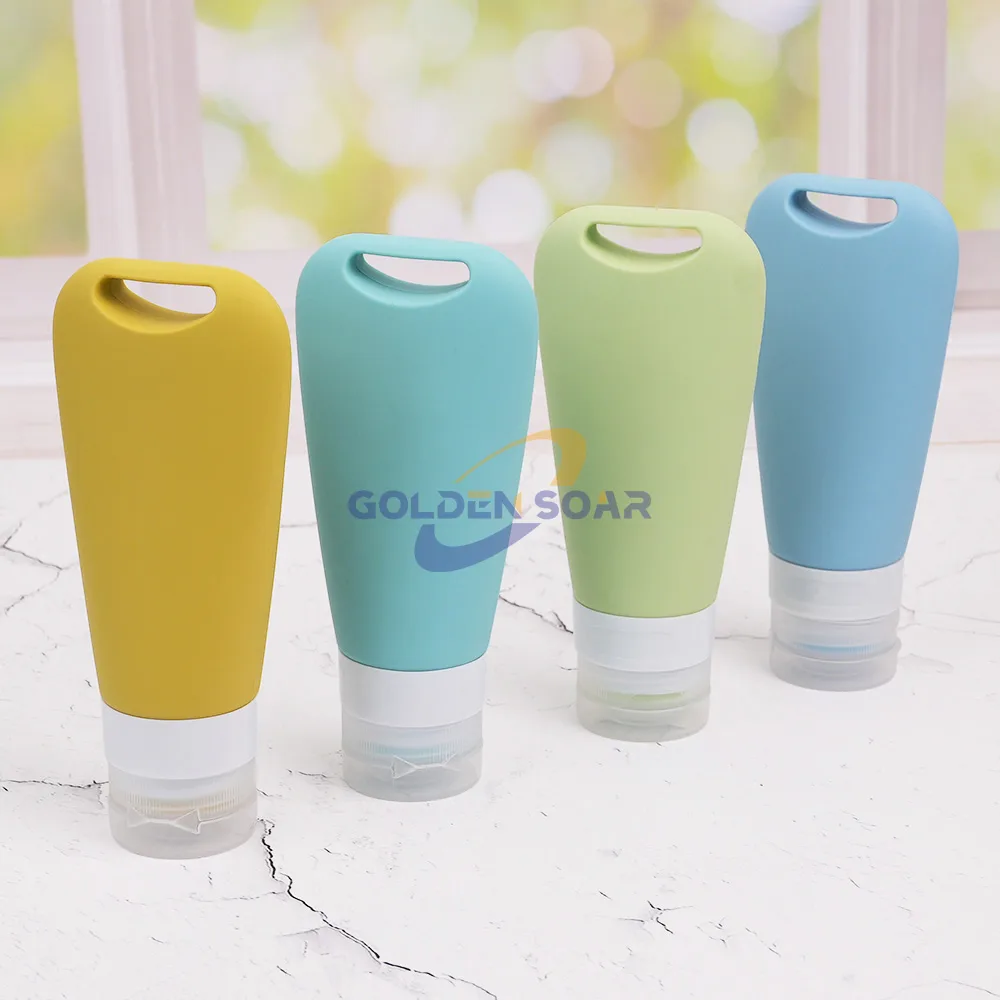
Figure 2: Silicone bodies expand to accommodate pressure changes.
Airless Systems: The Ultimate Seal
The most effective way to prevent leakage is to remove the air entirely. Our Airless Pump technology eliminates the dip tube and replaces it with a rising piston.
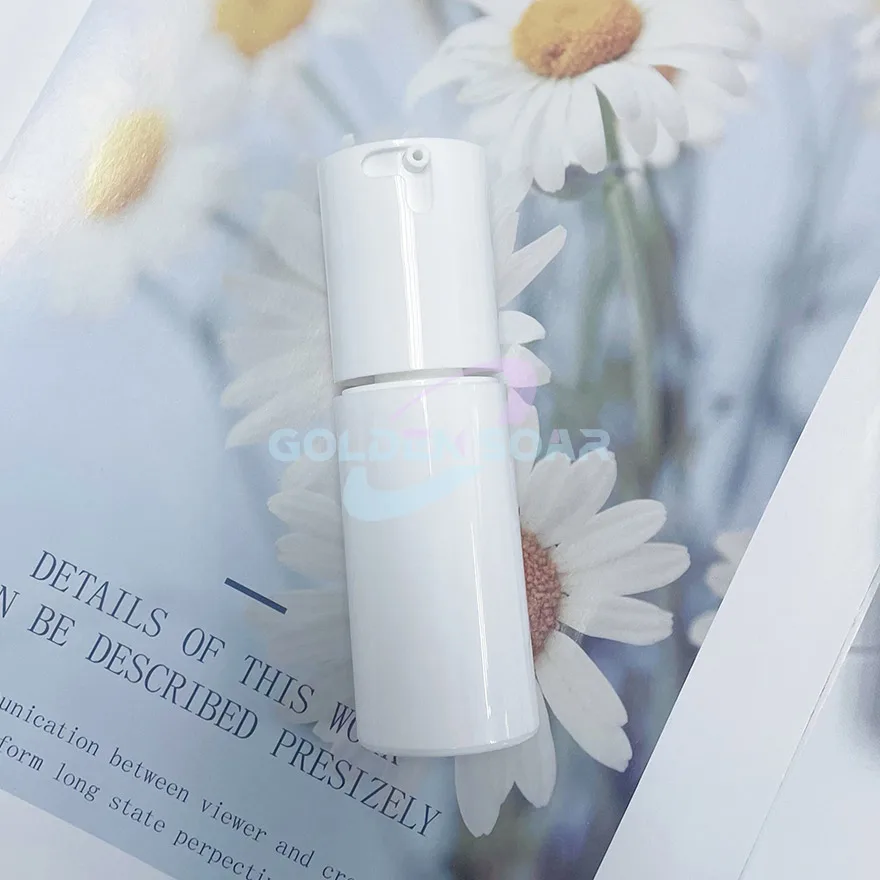
How It Works
-
Vacuum Dispensing:
When the actuator is pressed, it creates a vacuum that pulls the bottom piston up. No air enters the bottle to replace the liquid.
-
360° Usage:
Since there is no dip tube to uncover, the bottle works upside down, ensuring consumers can use every drop.
-
Oxidation Proof:
By keeping oxygen out, airless bottles prevent formula degradation, making them essential for natural or Vitamin C rich serums.
High-Pressure Containment
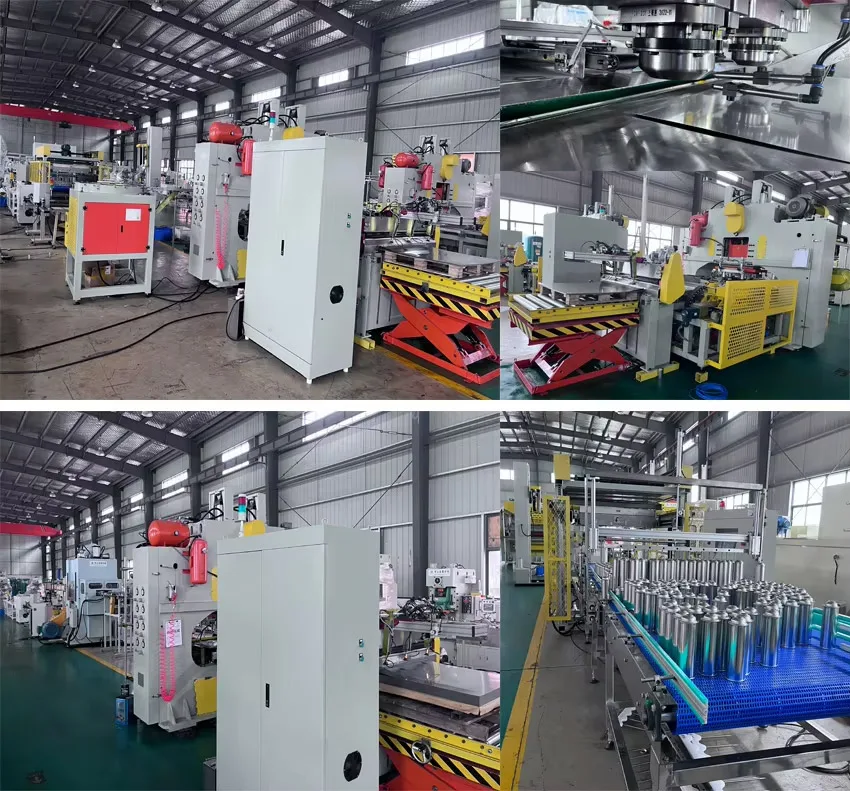
For aerosols and pressurized sprays, leakage is a safety hazard. We utilize Aluminum Monoblock technology. Unlike 3-piece welded cans, monoblock cans are extruded from a single slug of aluminum, meaning there are no side seams to burst.
The Crimping Standard
The interface between the valve cup and the can opening is critical. We adhere to strict “Crimping Depth” and “Crimping Diameter” tolerances (measured in microns) to ensure the propellant gas stays locked inside for the product’s 3-year shelf life.
Explore Aluminum Tech →
Figure 3: Monoblock construction eliminates side-seam failure points.
It Starts at the Mold
A cap can only seal as well as the bottle neck allows. Irregular “Land Areas” (the top rim of the bottle) are the primary cause of induction seal failure.
Injection Blow Molding (IBM): For our PET そして PP bottles, we use IBM technology which injects the neck finish first. This guarantees the thread dimensions and land area are mathematically perfect, unlike Extrusion Blow Molding which requires trimming.
QC Protocol: Every batch undergoes random torque testing and vacuum chamber immersion to verify mold consistency.

Figure 4: High-precision molds ensure perfect cap-to-neck mating.
Torque & Liner Specifications
Applying the correct torque is as important as the design itself. Too loose causes back-off; too tight cracks the cap.
| Material System | Recommended Liner | Application Torque (in-lbs) | Removal Torque (in-lbs) |
|---|---|---|---|
| PET Bottle (Liquid) | Induction Heat Seal (IHS) | 12 – 16 | 8 – 12 |
| PP Jar (Cream) | PE Foam / F217 | 15 – 20 | 10 – 15 |
| Glass/Essential Oil | Teflon (PTFE) | 10 – 14 | 6 – 10 |
| Aluminum Can | EPE Wadded | 18 – 22 | 12 – 16 |
Leak-Proof FAQ
Validate Your Supply Chain
Don’t risk your reputation on leakage. Request a “Leak-Proof Validation Kit” containing our advanced valve caps and airless samples.
 English
 Español
 Русский
 日本語
日本語 한국어
한국어 Français
 العربية
 Português