
Engineering the Perfect Travel Container
From the physics of cabin pressure to the strict geometry of the “Quart Bag.” We manufacture 100ml (3.4oz) packaging solutions that guarantee a hassle-free security screening experience for travelers worldwide.

Decoding the Global “3-1-1” Standard
Since 2006, the Transportation Security Administration (TSA), alongside ICAO (International Civil Aviation Organization), has enforced strict limitations on Liquids, Aerosols, and Gels (LAGs) in carry-on luggage. For B2B packaging buyers, compliance is not just about size—it’s about usability and verification.
The “Volume Marking” Mandate
A common failure point in travel packaging is the lack of clear labeling. Airport security officers are trained to confiscate unmarked bottles, even if they appear small. Golden Soar’s solution: We incorporate permanent, in-mold embossing of the volume (e.g., “100ml / 3.4oz”) on the base or shoulder of every travel SKU. Unlike printed labels that can rub off, embossed markings ensure the bottle remains compliant for years of travel.
The “3-1-1” rule is the universal language of air travel:
- 3.4 Ounces (100ml): The absolute maximum capacity per individual container.
- 1 Quart Bag: All containers must fit inside a single, clear, resealable bag.
- 1 Bag Per Person: Efficiency is key; bulky packaging wastes precious allowance.

Figure 1: “Flat-Oval” profiles maximize volume density within the TSA bag.
The Physics of Leakage: Boyle’s Law
Why do shampoos explode in suitcases? The answer lies in atmospheric pressure differentials. At sea level, pressure is approx. 14.7 psi. At a cruising altitude of 30,000 feet, the cabin is pressurized to the equivalent of 8,000 feet (approx. 10.9 psi).
The Delta-P Problem
This creates a pressure differential (Delta-P) of roughly 4 psi. The air trapped inside a rigid bottle (like glass or hard PET) expands as the external pressure drops. Because the bottle walls cannot expand, the expanding air forces the liquid contents out through the path of least resistance—usually the thread of the cap.
Our Engineering Solution
We approach this physics problem with two distinct technologies:
- Elastic Expansion (Silicone/Soft PE): By using flexible materials, the bottle body is allowed to expand slightly under pressure (like a balloon). This volume increase accommodates the expanding air, neutralizing the internal pressure spike and preventing leakage.
- Cross-Slit Valve Technology: For our premium travel series, we install a silicone check-valve in the cap. This valve remains mechanically sealed against the 4 psi internal pressure. It only opens when the user applies specific manual squeeze force (typically >10 psi), guaranteeing zero passive leakage.
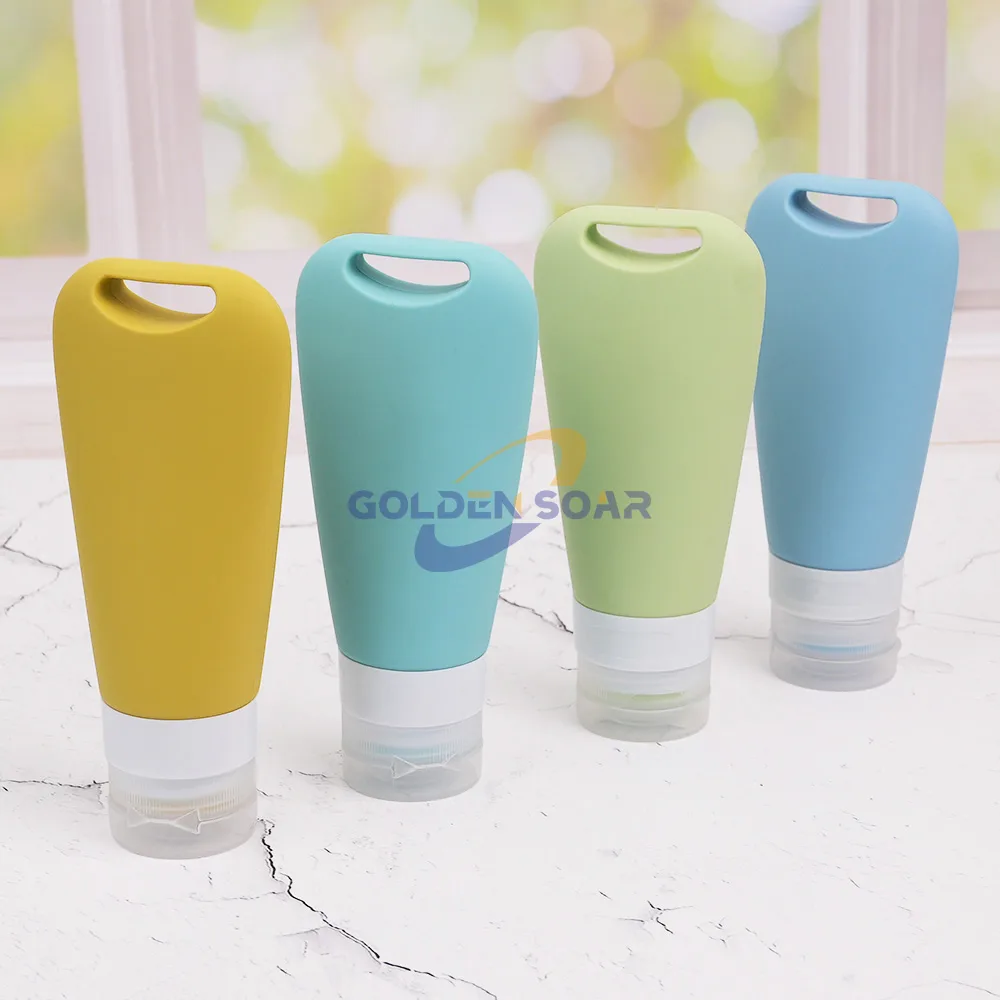
Figure 2: Flexible silicone walls absorb pressure changes.
Material Science: Selecting the Right Substrate
Not all materials are suitable for all toiletries. Chemical compatibility is critical for travel kits that may hold anything from sunscreen to mouthwash.
| Material | Travel Pros | Travel Cons | Best For |
|---|---|---|---|
| LSR Silicone (Liquid Silicone Rubber) |
|
| Shampoo, Conditioner, Lotion, Sunscreen (Cream). |
| PE (Polyethylene) (HDPE / LDPE) |
|
| Body Wash, Face Cleanser, Contact Lens Solution. |
| PET (Polyester) (Virgin / PCR) |
|
| Mouthwash, Toner, Hair Oil, Makeup Remover. |
| Aluminum (Epoxy Lined) |
|
| Hair Spray (Aerosol), Solid Tablets, Creams. |
The “Quart Bag” Ecosystem
A travel kit is not complete without the outer bag. TSA regulations require a “clear, quart-sized, resealable bag.” We offer customizable outer packaging that meets these specs while elevating your brand.
EVA vs. PVC: The Sustainability Shift
Traditionally, clear bags were made of PVC (Polyvinyl Chloride). However, PVC can become brittle in the cold cargo hold of a plane and is less eco-friendly. Golden Soar recommends EVA (Ethylene Vinyl Acetate) or TPU (Thermoplastic Polyurethane).
- Softness: EVA/TPU remains soft and flexible even at freezing temperatures.
- Clarity: TPU offers superior optical clarity for security scanning.
- Eco-Friendly: Non-toxic, chlorine-free, and recyclable.
We also reinforce the zipper mechanisms to withstand the “over-stuffing” typical of travelers.
Figure 3: Reinforced TPU/EVA bags pass the “Burst Strength” test.
Aviation Compliance FAQ
Launch Your Global Travel Kit
Don’t let leakage ground your brand. Request a compliant prototype kit today.
 English
 Español
 Русский
 日本語
日本語 한국어
한국어 Français
 العربية
 Português