

How to Recycle PET Packaging Properly
This application-focused guide explains, step by step, how brand owners, OEM buyers, and global traders can recycle PET packaging properly—from collection and sorting to washing, flaking, and closed-loop remanufacturing—while comparing PET with PE and PP options you may already use. It is written in a practical manufacturing voice to match how your production lines, quality systems, and export workflows actually operate in China and worldwide.
Explore PET Packaging MaterialsWhat PET Is and How Recycling Works (H2 • Manufacturer / Supplier)
PET—polyethylene terephthalate—is a thermoplastic polyester frequently selected for cosmetic, food-beverage, pharmaceutical, and household lines due to its clarity, toughness, low weight, and excellent barrier-to-weight ratio. In commercial packaging flows, it is coded as “1” and is by far the most widely collected resin worldwide. For buyers evaluating OEM or wholesale packaging at scale, PET’s recyclability is not a vague promise—it follows well-established, auditable steps:
- Collection & Bale Making: Post-consumer PET bottles and thermoformed containers are captured at MRFs. For OEM PET packaging manufacturer programs, pre-consumer trim and scrap are separately baled to protect resin purity.
- Sorting: Near-infrared sorters separate PET from PE and PP. Caps (often PP) and sleeves (often PVC/OPS/PETG) are removed to raise rPET IV (intrinsic viscosity) after reprocessing.
- Washing & Size Reduction: Hot caustic washing and label/sleeve removal precede granulation into flakes. Density baths separate any remaining PE/PP. Metal detection and vacuum drying stabilize moisture.
- Re-polymerization & Pelletizing: SSP (solid-state polycondensation) or melt filtration boosts IV and reduces volatile contaminants, producing food- or cosmetic-grade rPET pellets.
- Closed-Loop Use: Brand owners can specify rPET content for bottles, jars, or sheets; our PET packaging material supplier team helps optimize wall thickness, clarity, and color masterbatch to compensate for rPET tint.

Advantages and Trade-offs of PET vs. PE for Recycling (H2 • Supplier / OEM)
From the vantage point of a polyethylene terephthalate packaging manufacturer, PET delivers an unusually strong combination of optical clarity, stiffness, and light weight. For recycling, three features stand out: broad collection infrastructure, higher material value per ton, and predictable melt behavior. Yet choosing the right resin is application-specific. Here is a practical analysis that procurement and R&D teams can use during RFQ and DFM reviews.
PET — Key Advantages (Trader / Exporter View)
- Clarity and Shelf Appeal: Crystal-clear walls showcase premium lotions, serums, and beverages without glass weight or fragility—useful for Cosmetic Packaging and Food & Beverage Packaging.
- Recycling Readiness: PET is widely collected; buyers can credibly specify post-consumer recycled (PCR/rPET) content for global retail compliance targets.
- Barrier-to-Weight: Superior stiffness permits thinner walls, cutting resin usage and transport emissions.
- Closed-Loop Possibility: With proper sorting and sleeve/cap design, PET→rPET→PET loops are commercially proven in multiple regions.
PET — Considerations
- Hot-fill limits around 70–85 °C for standard bottles; for higher temps, design for heat-set PET or consider PP.
- Sensitivity to incompatible labels/sleeves (e.g., PVC) which must be designed out for premium rPET yields.
- Scuffing may appear in long logistics chains; specify harder resins or protective coatings when required.
Where PE Shines (PE Packaging Materials Export)
PE—especially HDPE—remains a champion for toughness, chemical resistance, and squeeze performance. A PE packaging materials supplier typically recommends PE for detergents, shampoos, and household chemicals. Recyclability is strong in many regions, though color mixing reduces optical value compared with clear PET.
- Excellent impact strength and stress-crack resistance for Household & Daily Use.
- Easy to add slip agents for high-speed filling lines; suitable for PE film packaging factory operations.
- Widespread rHDPE streams in rigid packaging; opaque colors hide PCR hues effortlessly.

Step-by-Step: How to Recycle PET Packaging Properly (H2 • OEM)
The right process begins at design time. Proper recycling is not just a bin at the end of a consumer’s day—it is a series of engineering decisions that a PET packaging material supplier and your brand team jointly control. Adopt the following specification-ready checklist during sampling and PPAP:
- Design for Disassembly: Use PP caps and PE or PP pumps with clean break-rings so material recovery facilities can detach polyolefins from PET quickly. Avoid glued paper labels and use water-soluble or switch to in-mold labels with compatible adhesives.
- Prefer Clear or Light-Tint Bottles: Clear PET preserves the highest rPET value. If color is a must, choose standardized tints and declare masterbatch type in your RFQ.
- Choose Compatible Sleeves: If using full-body sleeves, select PETG or perforated tear-off designs. Incompatibles (PVC) must be avoided to protect rPET extrusion quality.
- Print Smart: Use low-coverage inks and de-inkable systems. Shrink sleeves should be perforated with “remove before recycling” marks.
- Keep Wall Thickness Optimized: Our DFM team provides thickness simulation to maintain top-load while reducing gram weight—this directly cuts carbon and lowers cost at scale.
- Operational Controls: Separate production scrap by resin; maintain moisture control under 50 ppm before preforms and 30 ppm before stretch-blow molding for high IV targets.
- Declare Material Family: On artwork and spec sheets, print the resin code (♻ 1 PET) and regional recycling guidance.

Where Properly Recycled PET Excels (H2 • Wholesale / Trader)
Below are high-volume scenarios where rPET and virgin PET in a circular system outperform alternatives on total cost, compliance, and shelf-impact. Each case notes how a China PET packaging supplier coordinates tooling, artwork, and logistics.
Personal Care & Toiletries
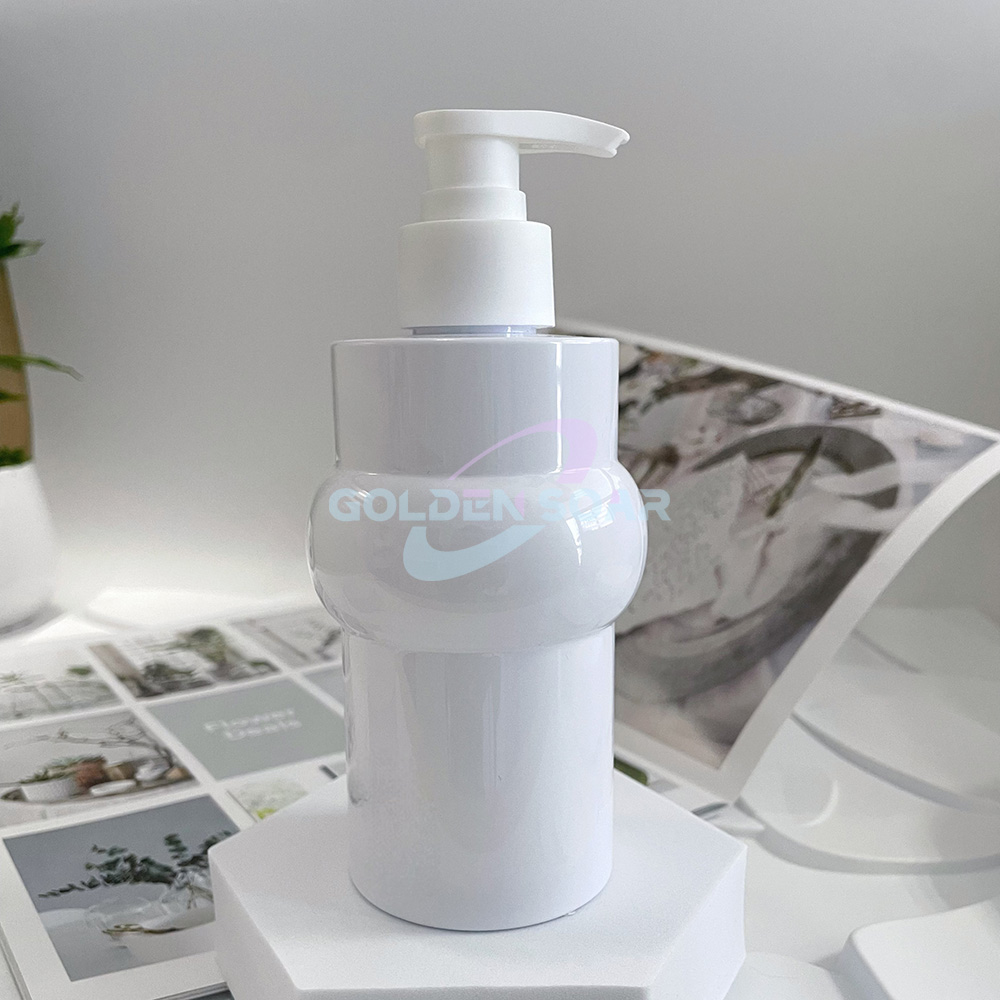
PET’s clarity and rigidity showcase shampoos, body washes, and face cleansers. For foaming products, pair a PET bottle with a PP foaming pump that can be unscrewed for recycling. See our 250 ml PET foamer bottle and 350 ml foam dispenser bottle.
Travel Kit Packaging
Lightweight PET and PE minis reduce baggage weight while offering durability. For airline security, sizes can match TSA-approved bottle size with leak-proof lids (Leak-Proof Lid Design).
Pharmaceutical & Healthcare Packaging
Purity, dimensional accuracy, and validated cleaning make PET and rPET suitable for non-sterile medical liquids when specified correctly; us as a PET sheet packaging supplier can deliver traceability down to lot-level with COA.
Food & Beverage
rPET bottles are accepted in many jurisdictions. For hot-fill or retort, consider PP or specialized heat-set PET. For aerosols, pair PET components with aluminium over-caps when needed.
PET vs. PE vs. PP: Which Material for Your Program? (H2 • Factory)
Buyers frequently benchmark PET against PE and PP for recyclability and application fit. Below is a concise decision guide rooted in factory practice, helpful for RFQ templates and internal approval decks.
PET — The Visibility Leader
- Use when visual merchandising matters: transparent serums, colored gels, micro-capsule lotions.
- Best for bottle shapes requiring stiffness and thin walls.
- Recycled stream maturity: very high; easiest path to specify 30–100% rPET (region-dependent).
PE — The Squeeze & Toughness Specialist
- Use when squeezability or heavy surfactants require resilience; see our PE Materials.
- Great match for PE bags packaging supplier and PE packaging material exporter programs where opacity is fine.
- Recycling stream robust in many markets; color mixing reduces optical reuse value vs. PET.
PP — The High-Heat Generalist
- Accepts higher temperatures and acts as an excellent cap/pump resin; see our PP Packaging.
- PP packaging materials supplier programs excel in airless and hot-fill applications; PP-based pumps remove cleanly for recycling with PET bodies.
For metal needs and premium feel, our Aluminum Packaging and Tinplate Packaging teams supply aluminium foil packaging factory and tinplate cans packaging factory solutions compatible with PET components.

Real-World Examples from Our China Factory (H2 • Manufacturer / for sale)
The following PET and PE items illustrate recyclable design cues you can port directly into your next brief. All pictures link to detailed product pages with artwork notes, volumes, and OEM options.
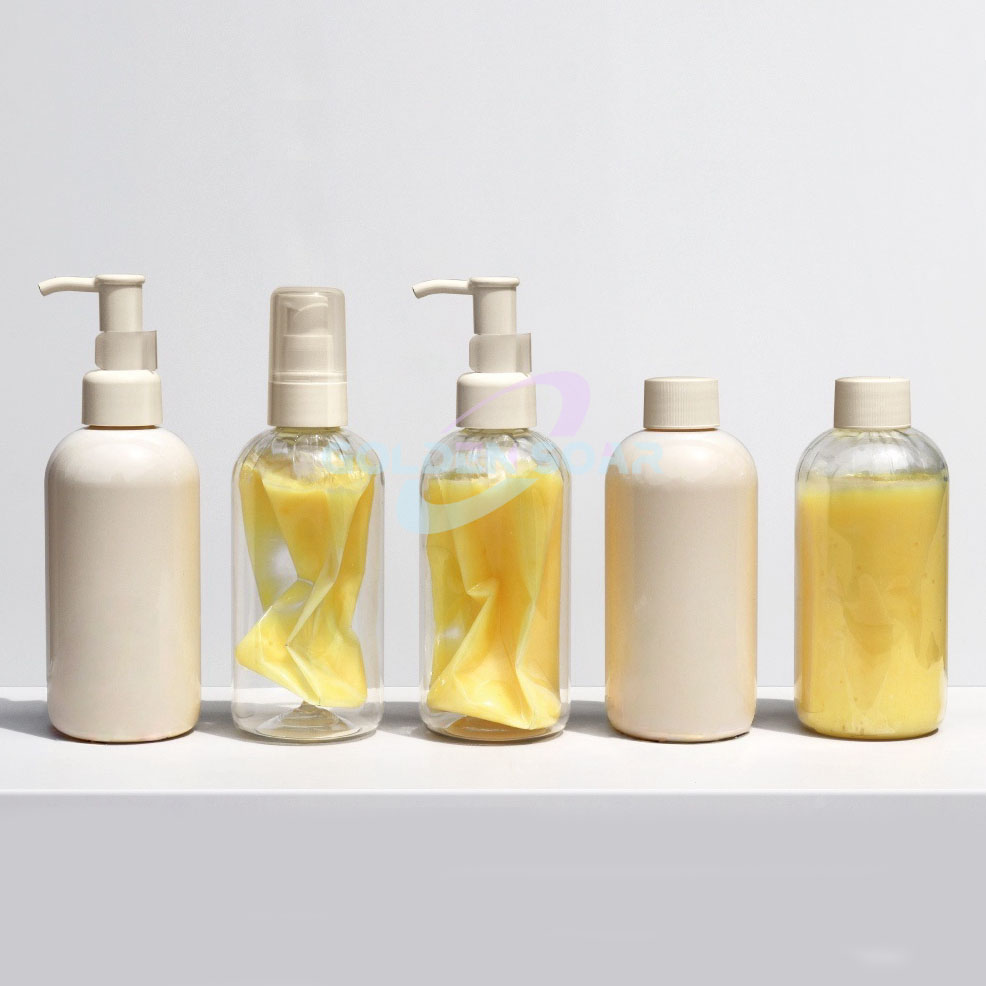
- Replaceable Airless Bottle | PET Refill — airless vacuum container with removable PP pump for fast sorting.
- Shampoo & Conditioner PET Bottles — standard neck finishes for pump interchangeability; clear to maximize rPET value.
- 350 ml Foam Cleanser PET Bottle — label area sized for de-inkable systems; cap unscrews cleanly.
- 250 ml PET Foamer Bottle — PP foamer head with minimal metal springs; replaceable for material purity at MRFs.
Why PE Materials Still Bring Major Advantages (H2 • Supplier / OEM)
While this page champions how to recycle PET packaging properly, many buyers operate blended portfolios. PE packaging remains indispensable for squeezable formats, impact-heavy logistics, and chemically aggressive contents. From a polyethylene packaging materials manufacturer standpoint, PE reduces breakage, accepts thicker threads for robust caps, and tolerates drops in cold chains. It is also excellent for injection-molded closures and over-caps paired with PET bodies.
- PE bottles accept high-recycle rHDPE without appearance risk in opaque colors—ideal for detergents and bulk refills.
- For travel and personal care, see our 4 oz PE squeeze bottles and 150 ml PE lotion dispensers.
- Creative shapes like the 1000 ml whale-shape laundry bottle demonstrate PE’s design freedom without compromising recyclability.

Recyclable-by-Design Checklist (H2 • OEM Service)
- Choose neck finishes that accept standard PP caps/pumps; see PP Airless Pump Bottle.
- Specify artwork with de-inkable systems and add clear “Remove sleeve before recycling” instructions.
- Use easy-refill wide opening for long service life of refillable containers.
- Prefer Silicone & BPA-Free Options for dispensers touching formula, paired with PET bodies.
- Document filling guidelines and demo video for operators to avoid contamination.
Compliance, Quality Systems, and International Trade Readiness (H2 • Supplier)
As an international PET packaging materials export and PE packaging materials supplier, goldensoar aligns production and documentation with globally recognized standards to simplify onboarding and retailer audits. Typical documentation packages include quality certifications, material declarations, and transport safety data tailored to your destination market.
Ask our team to map your SKUs to the correct resin codes and recycling marks, and to issue conformity letters for your retailers. For e-commerce sellers, we provide labeling templates that align with the requirements of NA/EU marketplaces to streamline launches.

Working with Other Materials in Harmony (H2 • Supplier / OEM)
PET rarely works alone. Many programs rely on mixed systems—aluminium for aerosol bodies, tinplate for food cans, silicone for gaskets, and PP/PE for closures. goldensoar operates as a multi-material manufacturer / supplier / exporter that balances recyclability and performance:
- Aluminum Packaging — aluminium packaging materials manufacturer serving cosmetics and personal care with UV-coated bottles and empty aluminium aerosol cans.
- Tinplate Packaging — tinplate packaging exporter of lids and cans aligned to food-grade standards.
- Silicone Packaging — silicone packaging materials supplier components for pumps, valves, and gaskets that maintain recyclability when designed for disassembly.

goldensoar Difference: What Sets Our Factory Apart (H2 • Supplier)
Choosing a partner for recyclable packaging is not just about resin and price. It is about the discipline to engineer products for recovery at the end of life and to back each PO with clear documentation. As a China PET packaging supplier, OEM PE packaging manufacturer, and PP packaging materials exporter, goldensoar integrates DFM, artwork coaching, and component compatibility into every quotation.
- Design-for-Recycling First: Every bottle or jar is reviewed for disassembly, label compatibility, and regional recycling marks before sampling.
- Multi-Material OEM in One Place: PET, PE, PP, aluminium, tinplate, and silicone—coordinated to avoid procurement friction.
- Traceability & Export Readiness: Batch-level resin records, COA, and conformity letters aligned to your markets.
- Interactive 3D & Color: We simulate 3D shapes and colorways to shorten approval loops while preserving recyclability cues.
- Responsive MOQ & Lead Times: Built for both wholesale programs and custom OEM service with flexible tooling strategies.

 English
 Español
 Русский
 日本語
日本語 한국어
한국어 Français
 العربية
 Português