
Paper Packaging Material Research Report
Reference Standard: Relevant material and performance testing standards for paper and paperboard, including TAPPI paper testing methods и ISO paper and board test methods.
Short Answer
When The Box Is Opened: Reading Paper Packaging Through First-Contact Cleanliness
A paper package is often judged before the product is even handled. In cosmetic, personal care, gift, and e-commerce packaging, the first receiving moment is not only about whether the outer carton is intact. It is also about whether the customer sees loose fibers, edge fuzz, small paper particles, dull contact marks, or powder-like residue on the first product surface they touch. For paper packaging material, this first-contact cleanliness stage is a practical inspection window because it exposes problems that a clean production sample photo may hide.
The most important boundary is factual: the available product data does not list a dedicated paper grade, GSM, thickness, coating, sheet size, moisture content, load capacity, or paper-specific performance threshold. The visible catalog information mainly describes plastic packaging materials and bottle systems, so it would be incorrect to transfer PE, PET, or PP data into a paper packaging article. This means the buyer should not write an approval note such as “paper material confirmed” unless the supplier provides paper-specific evidence.
At the microscopic level, paper is a bonded fiber network. Cellulose fibers hold shape through contact bonding and hydrogen-bond interaction. When a sheet is cut, folded, rubbed, or compressed, weakly bonded fibers at the edge can detach first. A die-cut edge that looks acceptable in a studio photo may release particles after repeated carton opening, tray removal, or product insertion. This is especially relevant when the paper contacts glossy cosmetic packs, dark-color retail boxes, transparent sleeves, or smooth bottle surfaces where white dust is highly visible.
An edge-case simulation model can be simple and revealing. Place a paper insert, paper sleeve, or paper cushioning sheet in a closed carton for a short handling cycle: open the carton, remove the component, reinsert it, and repeat the action 10 to 20 times under normal hand pressure. The first phase may show only slight edge roughness. The middle phase may show loose fibers collecting around fold lines or corners. The stress phase may show visible transfer on a dark sample surface. Since no official catalog threshold is available for this paper material, the article should frame these results as required sample observations, not factory-certified values.
A cross-dimensional comparison test can pair paper with three receiving surfaces: a matte carton, a glossy cosmetic box, and a dark high-shine sample panel. The same paper sheet may look clean against a kraft carton but leave clear residue on a black glossy panel. That contrast tells the buyer that cleanliness risk is not only a paper property; it is a paper-to-product interaction. A packaging insert used for a plain shipping box may be acceptable, while the same insert near a premium display item may need lower-dust cutting, smoother surface finishing, or a protective separator.

KEY TAKEAWAYS
- Loose edge fibers may appear before visible carton damage.
- Dust transfer is easier to see on dark, glossy, or transparent product surfaces.
- Clean sample photos cannot replace repeated open-and-handle observation.
Dry Shelf Versus Humid Transit: A Two-State Review Of Paper Packaging Behavior
Paper behaves differently on a dry shelf than it does after humid transit. A flat, crisp paper sleeve in a controlled sample room may become softer, wavier, or less resistant to corner pressure after exposure to moisture. This is not a marketing issue; it is a fiber mechanics issue. Paper fibers are hydrophilic, and moisture can weaken the fiber-bonding network that gives the sheet stiffness. When the bond network loses stiffness, the paper may still look complete, but its hand feel, edge recovery, fold resistance, and stack presentation can change.
The known data boundary remains strict: the catalog does not provide paper moisture resistance, Cobb value, edge crush data, compression strength, burst strength, bending stiffness, or post-humidity appearance records for paper packaging material. Because of that gap, the article cannot claim a measured humidity rating. It can only recommend which records should be requested during RFQ and sample validation: pre-test and post-test photos, storage humidity notes, paperboard stiffness observation, fold-line cracking checks, and stacked appearance records after handling.
A practical two-state review can be framed around dry storage and humid transit. In the dry state, the buyer checks flatness, clean edges, fold sharpness, printed surface condition, and tactile stiffness. In the humid transit state, the buyer checks whether the same sheet shows softened corners, swelling at exposed edges, loosened fibers, dull surface marks, or reduced recovery after light compression. The inspection should not use PE density, PET light transmission, PP melting point, plastic ESCR, or bottle neck tolerance, because those measurements belong to other materials and do not validate paper performance.
| Review Variable | Dry Shelf Observation | Humid Transit Risk | Evidence To Request |
|---|---|---|---|
| Edge condition | Sharp cut, low fiber lift | Fuzzy or swollen edge | Close-up edge photos before and after handling |
| Sheet stiffness | Stable hand feel | Softened fold or sagging panel | Thickness, GSM, and stiffness record |
| Surface cleanliness | No visible loose dust | Powder transfer after movement | White cloth rub check and dark panel contact check |
| Fold line | Clean crease | Cracking or whitening at crease | Fold-line macro photo |
| Stack behavior | Aligned cartons or inserts | Corner compression and shape drift | Stacked sample photos after transit simulation |
An extreme environment fatigue model should avoid pretending to be a certified test. A buyer can simulate a practical risk path by placing sample paper packaging in a humidity-variable storage area, then checking appearance at the initial stage, mid-stage, and stress stage. In the initial stage, the paper may retain flatness but show slight edge texture change. In the mid-stage, corners may become easier to dent. In the stress stage, fold lines may lose crispness or the surface may show more visible rub marks. The correct conclusion is not “the paper fails,” but “the paper specification is incomplete without humidity-linked observations.”
A cross-test can compare paper packaging against a rigid plastic insert, a coated paperboard, and an uncoated fiber sheet under the same short handling cycle. The goal is not to declare one format superior. The goal is to see whether the chosen paper format is stable enough for the intended environment: dry warehouse, e-commerce parcel, retail shelf, gift set, cosmetic refill kit, or display carton. When the package will be placed near personal care products, humidity may come from bathrooms, warehouses, regional climate, or end-user storage habits. That makes moisture behavior a practical RFQ topic, even when no liquid touches the paper directly.
Surface Silence Test: Checking Paper-To-Glossy-Pack Contact Without Calling It Decoration Failure
Surface transfer from paper can be quiet. It may not look like a label failure, print defect, or coating breakdown at first glance. The product may still be sellable, the carton may still close, and the insert may still hold its shape. Yet when a high-gloss bottle, metallic carton, dark paper box, or transparent retail sleeve is removed, the surface may show small fibers, dull rub patches, or contact dust. This is a different angle from label abrasion or barcode readability. It is a paper-to-product contact cue.
The data limit is again central. No paper surface treatment, ink system, lamination method, coating type, rub-resistance result, or paper dust control record is provided for this product. Because of that, the article should not claim that the paper is coated, laminated, low-dust, food-safe, cosmetic-grade, or tested for a specific rub value. The correct factory-facing solution is to request evidence: white cloth rubbing, black glossy sample contact, dry rub and wet rub notes, surface dust observation, printed side contact records, and after-transit contact photos.
From a materials standpoint, surface transfer can come from three sources. First, unbound or weakly bonded fibers can detach from the sheet surface. Second, paper dust from cutting or scoring can remain trapped inside folds or insert corners. Third, printed surfaces may migrate tiny pigment or coating particles under pressure and friction, especially if the package rubs against a smooth component during transport. Without a stated coating or rub test, the buyer should treat every direct-contact paper component as an interaction risk until samples prove otherwise.

A useful edge-case model is a silent contact test. Place a paper insert or wrap against a glossy black sample surface, add light compression using the actual packing layout, then move the sample through a short handling sequence. After removal, inspect under side light. If the surface shows fine dust, dull contact marks, or small fiber points, the paper may still be functional as outer packing but unsuitable for direct contact with premium visual surfaces. If the marks disappear with air blowing but return after repeated handling, the issue may be cutting residue. If marks remain after wiping, the issue may involve printed surface transfer or coating friction.
A cross-dimensional test can compare paper-to-paper contact, paper-to-matte-plastic contact, and paper-to-glossy-pack contact. Paper-to-paper interaction may look harmless because dust blends into the surface. Glossy packaging makes the same residue visible. This matters because premium cosmetic and personal care packaging often depends on first visual impression. A buyer may accept a small dimensional tolerance, but visible dust on a display surface can feel like poor handling, even when the main component is not defective.
For a balanced solution, the RFQ should ask for both material and layout fixes. Material-side fixes include lower-dust cutting, smoother sheet selection, controlled moisture content, improved surface finishing, or a separator layer. Layout-side fixes include avoiding printed paper directly against glossy product surfaces, adding a clean barrier sheet, reducing sliding movement inside the carton, and keeping abrasive cut edges away from display faces. These are not claims about the current catalog; they are practical controls derived from the missing paper-specific data.
From Flat Sheet To Buyer Confidence: Turning Missing Paper Data Into RFQ Control Points
A buyer should treat missing paper data as a control point, not as a dead end. When the catalog does not state paper grade, GSM, thickness, coating, moisture content, surface treatment, compression strength, or dust behavior, the next step is not to fill the gap with assumptions. The next step is to build a focused RFQ package that forces the right evidence into the conversation.
The first control group is identity data. Ask for paper type, GSM, thickness, surface finish, coating or lamination status, printing method, and intended use case. These fields establish whether the material is a display paperboard, shipping paper, sleeve paper, protective interleaf, molded pulp component, carton board, or decorative wrap. Without identity data, two paper packaging materials can look similar in photos but perform differently in humidity, folding, cutting, or surface contact.
The second control group is handling data. Ask for die-cut tolerance, fold-line behavior, edge quality photos, surface powder observation, and repeated open-and-close sample records. Paper packaging is often approved visually, but real complaints may appear after the component is opened, removed, inserted, rubbed, or stacked. That is why the receiving-side first-contact check should become part of sample approval.
The third control group is environment data. Ask how the paper is packed before shipment, whether moisture protection is used, how samples are separated, and whether stacked compression changes the surface or edge. These questions do not require the supplier to invent a certified standard. They require the supplier to show practical evidence that the packaging can survive the intended route.
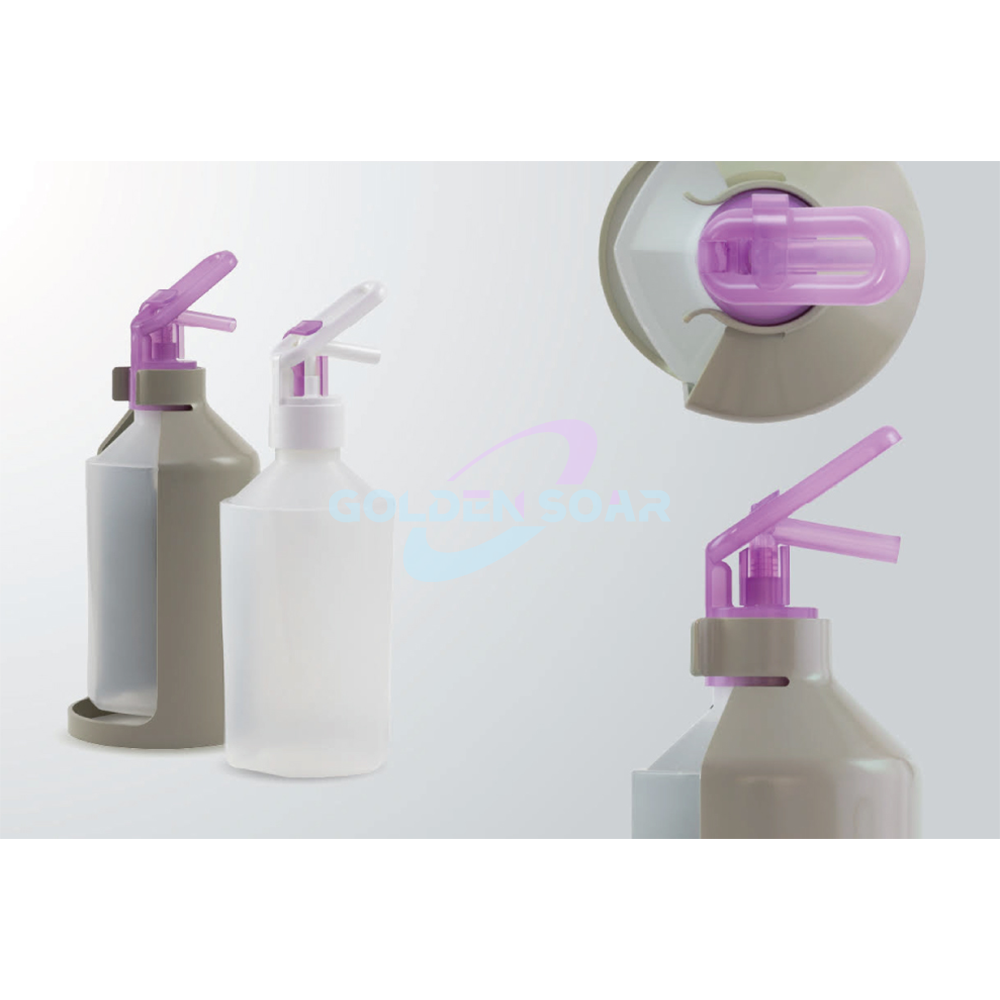
The fourth control group is compatibility data. If paper packaging will sit near a cosmetic bottle, refill pack, printed carton, or personal care component, ask for contact photos after transport simulation. For projects involving refillable or personal care packaging, it can also help to compare the paper layout with related packaging formats such as a replaceable airless bottle system, travel-size squeeze bottle packaging, или cosmetic pump bottle format to understand where paper touches the primary package.
PRO-TIP / CHECKLIST
- Request paper type, GSM, thickness, and moisture content before approving samples.
- Ask for close-up die-cut edge photos, not only full-package beauty shots.
- Test paper contact against a dark glossy sample surface.
- Record whether dust appears after repeated opening and reinsertion.
- Check fold lines for cracking, whitening, or fiber lift.
- Ask how samples are packed to prevent humidity exposure.
- Keep printed paper surfaces away from premium display faces unless rub testing is provided.
- Treat missing paper data as an RFQ clarification item, not as an assumed specification.
Paper Packaging Material Under First-Contact Cleanliness
The final approval logic for paper packaging material should combine cleanliness, humidity response, surface contact, and RFQ completeness. This approach avoids the weak habit of judging paper only by color and shape. It also prevents the opposite mistake: rejecting paper packaging because it behaves differently from plastic packaging. Paper has its own mechanical and surface logic. It is lightweight, printable, foldable, and suitable for many dry packaging roles, but it requires inspection around moisture, dust, edge quality, and contact compatibility.
A practical acceptance model can use four gates. Gate one is visual identity: confirm paper type, thickness, GSM, finish, and intended function. Gate two is handling response: open, remove, reinsert, and inspect the surface after repeated touch cycles. Gate three is environment response: observe how the material behaves after humidity-variable storage or transit simulation. Gate four is contact response: place the paper against the most sensitive product surface and check for dust, fiber, dullness, or printed transfer.
Each gate should produce evidence that a buyer can save in the project file. Photos, sample notes, supplier confirmations, and simple side-by-side comparisons are often more useful than vague claims. If a supplier cannot provide paper-specific values, the RFQ should remain open until the missing fields are clarified. This is especially important when paper packaging supports visual products such as skincare sets, fragrance accessories, gift boxes, or refill systems where the package is part of the customer’s first impression.
Frequently Asked Questions (FAQ)
What do you call packaging material?
Packaging material is any material used to contain, protect, display, separate, or transport a product. In this article, paper packaging material refers to paper-based sheets, boards, inserts, sleeves, wraps, or cartons used mainly in dry packaging and non-liquid direct-contact applications.
What are sustainable packaging materials?
Sustainable packaging materials are designed to reduce environmental burden through renewable sourcing, recyclability, reusability, lower material consumption, or improved end-of-life handling. Paper can be part of a sustainable route, but buyers still need GSM, coating, print, dust, and moisture data before approving it for a specific product.
Is packaging a direct or indirect material?
Packaging can be either direct or indirect. Primary packaging that touches or contains the product is usually treated as direct material. Secondary cartons, paper inserts, shipping fillers, and outer transit materials may be indirect, depending on accounting rules and how closely they affect the sellable product experience.
How to search database of pharmaceuticals packaging materials buyers?
Start with buyer roles, not only product terms. Search for pharmaceutical packaging procurement, packaging development, contract manufacturing, secondary packaging, carton insert sourcing, and compliance packaging teams. For paper packaging, add terms such as paperboard, carton, insert, sleeve, dust control, and moisture-resistant packaging.
De Groene Schoolfoto eco-friendly packaging materials: what should buyers check?
For eco-friendly paper packaging, buyers should check whether the material claim is supported by paper type, recycled content, certification evidence if applicable, coating status, print method, recyclability notes, and sample performance. Environmental language alone does not prove clean edges, low dust, or humidity stability.
 English
 Español
 Русский
 日本語
日本語 한국어
한국어 Français
 العربية
 Português