

Engineering Evaluation of Seal Edge Durability in Flexible Silicone Travel Containers
Introduction
Flexible silicone travel containers are widely used in personal care and cosmetic industries due to their pliability, chemical inertness, and user-friendly squeezability. As a packaging materials engineer with experience in flexible packaging solutions, I have observed that while silicone elastomers offer distinct advantages for travel-sized products, their sealing interfaces present significant engineering challenges. The integrity of the seal edge is paramount to prevent leakage, contamination, and premature failure, especially under the mechanical stresses imposed by high-cycle automated filling line operations. This analysis delves into the mechanical and material behaviors governing seal performance, examines prevalent failure mechanisms, and outlines testing methodologies aligned with established standards. The objective is to provide a detailed engineering perspective to support the development of reliable, flexible silicone packaging suited for demanding travel applications.
Mechanical Principles & Material Behavior
Silicone elastomers employed in travel containers combine high elasticity with excellent chemical resistance and thermal stability, functioning effectively across a broad temperature spectrum typically ranging from -40°C to 200°C. Their low modulus of elasticity facilitates easy deformation under manual pressure, which is critical for user convenience during product dispensing. However, this same flexibility necessitates meticulous engineering of sealing surfaces to maintain consistent contact pressure and avoid localized stress concentrations that could compromise seal integrity.
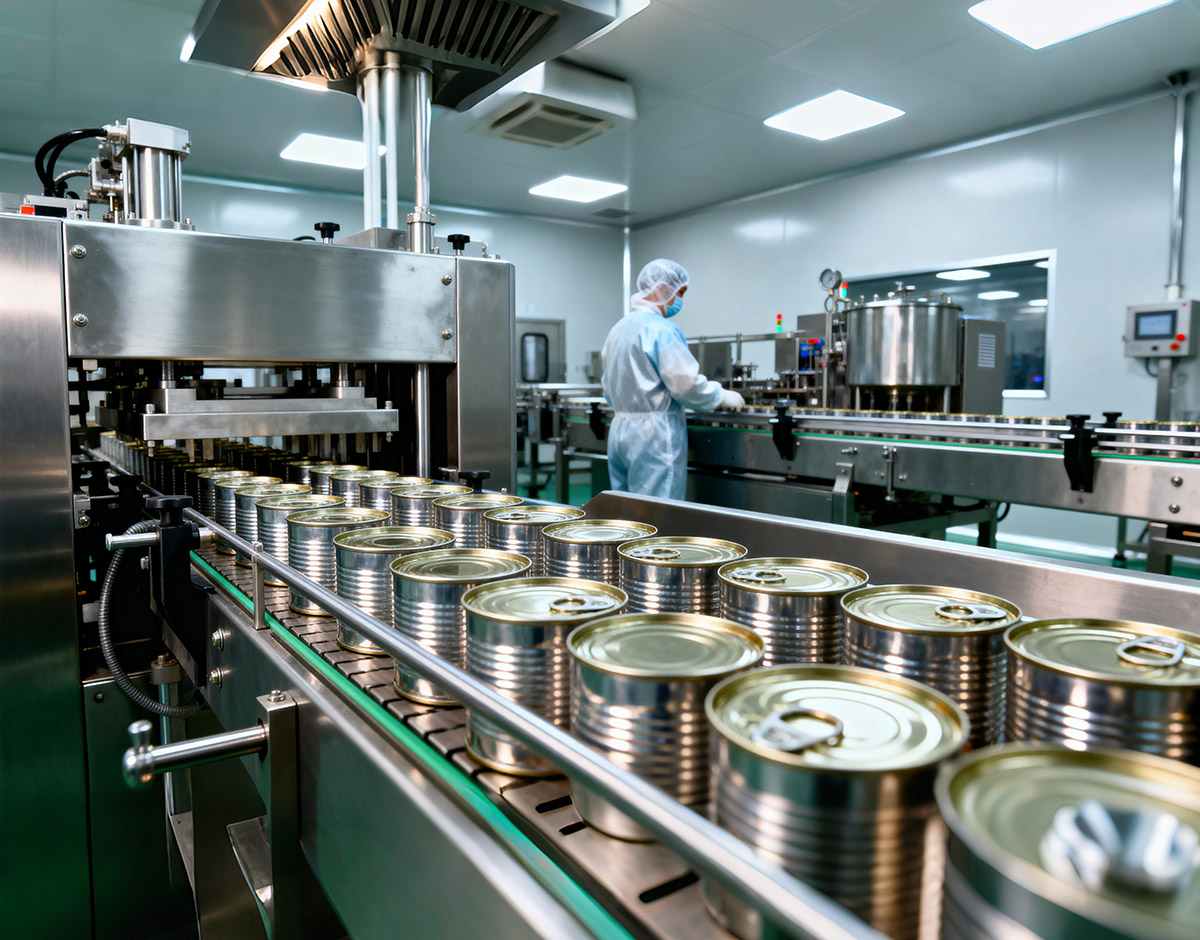
The sealing interface in silicone travel containers generally involves heat sealing or adhesive bonding at the junction where the flexible silicone film or molded component meets closures or caps, which may be rigid or semi-rigid. Silicone’s viscoelastic properties mean that under cyclic mechanical loading—such as repeated squeezing by consumers or the mechanical handling inherent in automated filling lines—the material exhibits stress relaxation and creep phenomena. These behaviors reduce the effective sealing force over time, potentially leading to compromised adhesion or seal failure.
Moreover, silicone’s inherently low surface energy poses challenges for adhesive bonding, often requiring surface activation treatments such as plasma or corona discharge, or the application of specialized primers to enhance surface wettability and adhesion strength. From a mechanical perspective, the seal edge must resist tensile, shear, and peel stresses generated during filling, transport, and everyday use. The design must also accommodate dimensional tolerances and thermal expansion mismatches between silicone and interfacing packaging components, such as rigid caps or multilayer films. Failure to account for these factors can result in micro-gaps at the seal interface, which serve as leakage pathways.

Failure Modes
Primary Failure: Seal Edge Leakage
The most common and critical failure mode observed in flexible silicone travel containers is seal edge leakage. This failure arises when the interface between the silicone elastomer and the sealing substrate fails to maintain an impermeable barrier. Contributing factors include insufficient sealing pressure, surface contamination, or chemical incompatibility between silicone and the sealing substrate materials. In the context of high-cycle automated filling line operations, repetitive mechanical stresses intensify these risks by generating micro-cracks, delamination, or adhesive debonding at the seal edge.
The flexible nature of silicone exacerbates this vulnerability, as deformation during filling and handling cycles can exceed the elastic limits of the seal interface. Seal edge leakage not only compromises product integrity by permitting fluid egress or contaminant ingress but also accelerates material degradation. Fluid migration into the seal interface can cause swelling or hydrolytic breakdown of adhesives or surface treatments, further weakening the seal and leading to progressive failure.
Secondary Failure: Material Degradation Adjacent to Seal
Secondary failure modes often develop as a consequence of initial seal breaches. Silicone elastomers exposed to environmental stressors such as moisture, ultraviolet radiation, or aggressive cleaning agents may experience surface embrittlement, loss of elasticity, or chemical degradation. Under cyclic mechanical loading, these changes manifest as micro-cracks or fissures near the seal edge, which propagate leakage pathways and reduce the container’s service life.
Additionally, repeated flexing during consumer use can induce fatigue in thin-walled silicone films, resulting in pinholes or tears adjacent to the seal. These defects further compromise the barrier function and mechanical stability of the packaging. Material degradation is often accelerated in regions of stress concentration, particularly at or near the seal edge where mechanical and environmental factors converge.
Environmental Effects on Seal Performance
The operational environment plays a pivotal role in the progression of seal edge failures. High-cycle automated filling lines subject the seal edges to repetitive mechanical stresses, including compression, tension, and shear forces. The rapid fill speeds and nozzle pressures can generate transient pressure spikes, challenging the resilience of the seal interface.
Temperature variations during storage and transport induce differential thermal expansion between silicone and adjoining materials, imposing additional mechanical stresses on the seal. Humidity and exposure to cleaning solvents in retail or consumer environments can degrade adhesives or surface treatments designed to enhance seal adhesion, further reducing seal durability.
Understanding these environmental factors is essential for designing sealing systems capable of maintaining integrity throughout the product lifecycle. Material selection, surface treatment processes, and sealing parameters must be optimized to withstand these combined mechanical and environmental stresses.
Testing Standards & Validation
Ensuring the reliability of seals in flexible silicone travel containers requires rigorous validation using recognized packaging material testing standards. The China Plastic Packaging Test Standard GB/T 10457 provides a comprehensive framework for evaluating sealing strength, leakage resistance, and durability of plastic packaging materials under simulated use conditions.
Testing protocols under this standard typically include cyclic pressure and vacuum tests that replicate the mechanical stresses experienced during filling and dispensing operations. These tests are combined with both visual inspections and instrumental leak detection methods, such as dye penetration or helium leak testing, to identify seal breaches.
Seal strength is quantified through peel and shear tests performed at the seal edge, measuring the force required to induce failure. These mechanical tests provide critical data on the adhesion quality and mechanical robustness of the seal. Accelerated aging tests expose samples to elevated temperature and humidity conditions to simulate long-term environmental exposure and assess material and seal durability over time.
Third-party laboratory validation is essential to ensure unbiased assessment of seal integrity under conditions representative of high-cycle automated filling line environments. Incorporating these test results into iterative design improvements enables engineers to optimize sealing parameters, including heat sealing temperature, dwell time, and pressure, as well as surface treatment processes that enhance silicone adhesion.
Application & Integration
Integrating flexible silicone travel containers into broader packaging systems demands careful attention to sealing interfaces and material compatibility. The elastomeric nature of silicone necessitates sealing surfaces with controlled roughness and chemical affinity to achieve consistent and durable adhesion. Surface activation treatments such as plasma or corona discharge are commonly employed to increase surface energy, thereby improving bond strength with adhesives or heat seals.
In automated filling lines, process parameters must be finely tuned to minimize mechanical stress on the seal edge. This includes controlling fill speed, precise nozzle positioning, and appropriate capping torque to reduce deformation and transient pressure spikes that could compromise the seal. The bottle geometry should be designed to distribute mechanical stresses evenly around the seal perimeter, mitigating localized stress concentrations.
Material selection for multilayer films or rigid components interfacing with silicone should prioritize thermal expansion compatibility and barrier properties. Flexible barrier films with low oxygen and moisture transmission rates are preferred to extend product shelf life while preserving the tactile benefits of silicone.
From a user experience standpoint, silicone travel containers must balance flexibility for easy dispensing with sufficient structural support to prevent seal failure during handling. Engineering the closure system to provide uniform compression around the seal edge is critical to maintaining leak prevention throughout the product’s lifecycle.
Seal edge leakage remains the principal technical challenge in flexible silicone travel containers, driven by the elastomer’s mechanical behavior and the demanding conditions of high-cycle automated filling line operation. A thorough understanding of material properties, sealing mechanisms, and environmental influences is essential to mitigate failure risks. Adherence to testing standards such as China Plastic Packaging Test Standard GB/T 10457 provides objective metrics to validate seal performance and guide design enhancements.
Optimizing surface treatments, sealing parameters, and component compatibility improves adhesion and mechanical resilience at the seal interface. Addressing environmental stresses through material selection and process control further extends product durability. Ultimately, engineering reliable silicone travel containers requires a comprehensive approach that ensures leak-free performance while maintaining the flexibility and convenience expected by end users.
This analysis was reviewed by a Senior Package Materials Engineer with practical field experience under high-cycle automated filling line operation operating conditions, with validation focused on seal edge leakage in accordance with China Plastic Packaging Test Standard GB/T 10457 compliance requirements.
For engineering teams responsible for Silicone Travel Bottle, the most robust designs are those that explicitly incorporate high-cycle automated filling line operation environmental factors into material selection, document performance evidence against China Plastic Packaging Test Standard GB/T 10457, and maintain traceable validation records aligned with independent packaging material certification and regulatory expectations.

 English
 Español
 Русский
 日本語
日本語 한국어
한국어 Français
 العربية
 Português